Impact (And/Over) Intent | (1/25/2022 — “Ask Us Anything – LIVE” With Denny K Miu And Lydia Grace)

For this month’s regular open-audience, open-discussion “Ask Us Anything” — continuing discussions about meditation and related topics — fellow Insight Timer teachers Lydia Grace, Denny and I explore the alignment of intent and impact.

Doing full show notes seems to take (me) a lot of time and energy so I may or may not include full notes later. I welcome any inspired listener(s) to take and send show notes for inclusion here by emailing them to integratingpresence@protonmail.com.

My notes before the show:

[for previous show, Letting Our Body Talk, in reference to wholesomeness:]

“Come Kalamas. Do not go upon what has been acquired by repeated hearing; nor upon tradition; nor upon rumor; nor upon what is in a scripture; nor upon surmise; nor upon an axiom; nor upon specious reasoning; nor upon a bias towards a notion that has been pondered over; nor upon another’s seeming ability; nor upon the consideration, “The monk is our teacher.” Kalamas, when you yourselves know: “These things are good; these things are not blamable; these things are praised by the wise; undertaken and observed, these things lead to benefit and happiness,” enter on and abide in them.”

Excerpt from the Kalama Sutta – The Buddha’s Charter of Free Inquiry

Audio: Impact And Intent | (1/25/2022 — “Ask Us Anything – LIVE” With Denny K Miu And Lydia Grace)

Or listen via Insight Timer (app or website)


Find and connect with Lydia:


Join Denny live Saturdays online for Yi Jin Jing and mindful joint, stretching, breathing, and qi exercises at 8:00am Pacific via:

Denny’s other links:


Continue reading “Impact (And/Over) Intent | (1/25/2022 — “Ask Us Anything – LIVE” With Denny K Miu And Lydia Grace)”

What are thoughts? Are dreams like thoughts?

The January 11, 2022 Insight Timer live event description explaining the title questions:

Let’s powwow for 30 minutes or so on these two questions from my “Distortions and Dreams” event to address any parallels between thoughts and dreams. We may even do some mindfulness of thinking meditation

To save time, the short answer is I don’t know.

Feel free to listen in and/or check out some of the notes:


Thoughts and thinking


"Thought" definition:

1) an idea or opinion produced by thinking, or occurring suddenly in the mind
2) the action or process of thinking

[and/or] …conscious cognitive processes that can happen independently of sensory stimulation.


  • Images and/or words
  • very pronounced to faint blips like small bubbles popping
  • Where do they come from? Outside the mind(?)
  • Joseph Goldstein/Munindraji
  • How do electrochemical occurrences translate to particular distinct thought(s)?

First more background:

All experience is preceded by mind
Led by mind
Made by mind.
Speak or act with a corrupted mind,
And suffering follows
As the wagon wheel follows the hoof of the ox.

All experience is preceded by mind,
Led by mind,
Made by mind.
Speak or act with a peaceful mind,
And happiness follows
Like a never departing shadow.

First two verse of the Dhammapada — translation by Gil Fronsdal

Mental activity: judging, reasoning, concept formation, visualization, problem solving, deliberation, considering an idea, memory, conversations, reflection, imagination, contemplation

  • emotional feedback loop and moods
  • Frequency spectrum — alpha, beta, delta, gamma, theta
  • Brainwave entrainment
  • Pattern recognition & completion
  • Conditioning
  • Proximity

Fringe and parapolitcal:

  • TV programming
  • Subliminals
  • Retinal induction programming (seizures)
  • MK Ultra
  • Trauma based mind control
  • Mythology: Thoth
  • Experiences beyond frequency spectrum:
    • stilling/quieting mind and jhanas
  • Maybe an interface: experience, perception and consciousness are translated into words and images and/or vice versa words and images influence experience, perception and consciousness

Now back to phenomena of thoughts and thinking:

  • trance of thinking
  • demonizing and/or worshiping thinking
  • overthinking as alarm clock
  • heart alignment to amplify what?
  • use thinking instead of thinking using you
  • arhats only thinking when choosing to

Dreams


"Dreams" definition:

1) a series of thoughts, images, and sensations occurring in a person's mind during sleep

2) a cherished aspiration, ambition, or ideal

  • States of (human) existence:
    • Waking
    • Dreaming
    • Deep sleep
    • Meditation/substances/(altered) states/mix of these
  • Types of dreams:
    • visions of past (lives)
    • visions of future
    • messages from other realms
    • wind in the belly
    • [cold room, “cold” dream]
  • loving-kindness for sweet dreams
  • perception (recognition) and consciousness (knowing shape and color)
    • waking: limited by acuity of senses and misperception
    • dreaming: perception opened up
  • Bhavaṅga: deep sleep. when drowsy between taking up mind objects
  • Unconscious Asaññasatta world attained by consciousness suppressing practices
  • sense of time passing during an anesthetic vs deep sleep
  • (lucid) dreaming practices:
    • visualization of 16 petaled blue lotus of throat chakra
    • last and first breaths
    • looking at hands
    • reading
    • walking meditation
    • “am I dreaming?”
    • light switch
    • devices
    • alarm
    • journaling
    • look for these dream signposts/indicators — like light switches, hands, reading, (picking up) things on ground — in both waking and dreaming life

Guided Practice:

  • words or images
  • location
  • observe
  • pink elephant
  • how is the mind pre-thought?
  • catching arising, if remaining, passing
  • thought energy
  • suppression?
Audio: What are thoughts? Are dreams like thoughts?

Or listen via Insight Timer (app or website)


Starting at 43:34 Pa Auk Sayadaw answers how devas can appear in and influence dreams

Starting at 43:34 Pa Auk Sayadaw answers how devas can appear in and influence dreams
Continue reading “What are thoughts? Are dreams like thoughts?”

An Integrating Presence Meditation at Fat Cat Longevity (And Insight Timer Live) Wednesday, January 12, 2022

Also simulcast via an Insight Timer Live event!

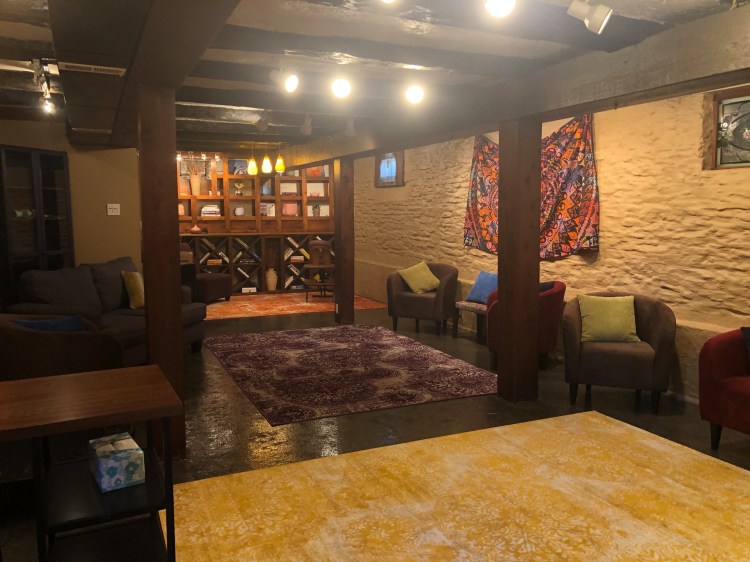
Join meditation 6:00-6:45pm Central Wednesday, January 12th at Fat Cat Longevity [https://facebook.com/freyflow] downstairs next to Peace Love Coffee at Mary’s House of Healing, on Main St in St Charles, MO.

Also, a simulcast is scheduled for Insight Timer Live again:

Calendar add and direct link to join Insight Timer Live event: Live Meditation From Fat Cat Longevity

Similar to past meditations, we plan to start with brief instructions along with a discussion before and after.

Our semi-formal meditation possibilities include — but are not limited to — a combination of:

  • concentrating/gathering/unifying the mind, breath and body
  • compassion and loving-kindness
  • (open) awareness
  • 5 simple Qi breathing exercises
  • mindfulness [1) body 2) heart-mind: thoughts, emotions, moods, mind states 3) relationship to our experience]

Mary’s House of Healing
524 South Main Street
Downstairs at Fat Cat Longevity next to Peace Love Coffee…
St. Charles, MO 63301

Wednesday, January 12th 2022 — 6:00pm – 6:45pm

Doors open: 5:50pm — Doors close: 6:05pm

Or join via Insight Timer Live: https://insighttimer.com/live/945b7c41-8f28-4384-bee7-9b93319d0b4b

Cost: Fat Cat Longevity price packagesmonthly membership or generosity inspired donation

(Authentic) Smiling (Practice)

On Thursday January 6th, 2022 I held an event concurrently on Insight Timer Live and the Wisdom app called “(Authentic) Smiling (Practice)” with the description:

Revel in the power of real life smiles discussed virtually (for 15 minutes or longer perhaps). I invite participants to share smiles and experiences as I relate a somewhat brief formal practice of smiling on near daily walks a couple of years ago.

My original notes are more or less as follows:

Experimental experience

  • disclaimer: some of this is not for all
  • Andrea Fella dharma talk years ago
  • if winter now file away
  • different now
  • use for future reference and/or reflection on the past
  • visited places where masks seldom worn to consistent and persistent
  • places around here where no one wears, recommended and required and these change from time to time
  • public spaces where masks aren’t required
  • lots of joy and wellbeing at that point in practice
  • pushing limits
  • my practice of brute force amping up of smiling at everybody, or saying hi to everybody. Sometime not in alignment with mood, circumstances, environment
  • intense. deliberately drawing attention to one’s self to solicit a response — difficult for introvert and avoidant types
  • responses: friendly, smiles back, stop and chat, rejections, subtle hostility, indifference, etc.
  • opposite and same sex — attractions and nodding
  • then using discernment of who to smilie to

(Lack of) authenticity when smiling

  • authentic sending and receiving — at least observed in others or with pets/animals, children
  • perceptions of fake and forced vs authentic from me and others. doubt
  • on fence about “fake it until you make it”
  • miss America using vaseline on teeth
  • genuine niceness — which might be at various levels — and kindness
  • from the head or heart?

I don’t know karate, but I know craaaazy

From “The Payback” by James Brown

Ideas for practice

  • how much real danger vs negativity bias around certain things that happened around unknowns
  • imagine this practice and compare to reality
  • Tara Brach — inner smile, heart, hips, etc.
  • strangers — on walks, public transport, restaurants, grocery stores, zoom, all and select
  • receiving practice: who would and wouldn’t you want to simile at you? How would you take it? What about getting unexpected smiles?
  • emotions, thoughts, state of mind and felt bodily experience in self and others before, during, after and for how long — their durations o
  • warmth, joy, rejection, suspicion, judgement, what do they want, how’s there life, why can’t I smile back, human kindness, suffering and compassion
  • notice ups and downs of responses and their durations before next smile
  • discerning who to smile too: confidence, conviction, invite allowance, make resolve for smiling to occur naturally more often
  • feeling smile related parts of body
Audio: (Authentic) Smiling (Practice)

Or listen via Insight Timer (app or website)


Extras not on audio:

“Watching all these near death experience interviews has started to affect me. So many of these people talk about loving light from a source that seems to keep encouraging them to love themselves and others (everybody has their own version of that). The qualities and characteristics of what I use to do my job in helping people have all become more magnified since I’ve been trying to see where it is in my own life. So I’ve been looking at random people and asking myself how I could love that person. Or smiling at people I normally wouldn’t has been interesting. I’m trying to get to a point where I can feel the same way about random people as I do about animals. That’s been really interesting dissecting why that is and finding some interesting connections between honesty and forgiveness. And how all this leads to self-assuredness, groundedness and not taking things personally. Thought I would share my shift in perspective. It’s sort of what we’ve always known but just maybe experiencing/feeling it more profoundly or in a different way? Seems sort of hokey but it’s happening. The real challenge are people that are actively aggressive and/or arrogant/abusive…”

text from a friend

Smiling in Abhidhamma:

26. Hasituppada is a citta peculiar to Arahats. Smiling is caused by a pleasurable feeling. There are thirteen classes of consciousness by which one may smile according to the type of the person. An ordinary worldling (puthujjana) may laugh with either one of the four types of cittas rooted in attachment, accompanied by pleasure, or one of the four kusala cittas, accompanied by pleasure.

Sotapannas, Sakadagamis, and Anagamis may smile with one of the two akusala cittas, disconnected with false view, accompanied by pleasure, or with one of the four kusala cittas.

Arahats and Pacceka Buddhas may smile with one of the four sobhana kiriya cittas or hasituppada.

Samma Sambuddhas smile with one of the two sobhana kiriya cittas, accompanied by wisdom and pleasure.

There is nothing but mere mirth in the hasituppada consciousness.

The Compendium of Philosophy states: “There are six classes of laughter recognized in Buddhist works: (1) sita: – a smile manifesting itself in expression and countenance; (2) hasita: – a smile consisting in the slight movements of the lips just enough to reveal the tips of the teeth; (3) vihasita: – laughter giving out a light sound; (4) upahasita: – laughter accompanied by the movement of the head, shoulders, and arms; (5) apahasita: – laughter accompanied by the shedding of tears; and (6) atihasita: – an outburst of laughter accompanied by the forward and backward movements of the entire body from head to foot. Laughter is thus a form of bodily expression (kaya-viññatti), which may or may not be accompanied by vocal expression (vaci-viññatti). Of these, the first two classes are indulged in by cultured persons, the next two by the average man, and the last two by the lower classes of being.

Note 26 referencing “(18) Smile-producing consciousness, accompanied by pleasure” from 18 Types Of Rootless Consciousness (Functional Consciousness without Roots) in CHAPTER I — DIFFERENT TYPES OF CONSCIOUSNESS (Citta-sangaha-vibhago) of “A Manual of Abhidhamma” by Narada Maha Thera https://www.budsas.org/ebud/abhisgho/abhis01.htm

Smiling consciousness cannot arise without a body. Buddhas and Pacceka Buddhas who experience such classes of consciousness are not born outside the human plane.

Note 103 in
CHAPTER III – MISCELLANEOUS SECTION of A Manual of Abhidhamma” by Narada Maha Thera https://www.budsas.org/ebud/abhisgho/abhis03.htm

Continue reading “(Authentic) Smiling (Practice)”

Multi-month Pāramitā (Attainments/Perfections) Challenge For December 2021

Apparently November 2021 was a break so December is month 4 of “The Pāramitā Challenge” (which I previously wrote and spoke on the first three months.)

In addition to contemplating topics about the Pāramitās or Perfections, so far, this challenge also includes precepts, the (10 Abodes from the) 52 Stages of the Bodhisattva Path and Bodhisattva vows.

Instructions are to journal contemplations resulting from observed intentions, opportunities, and actions to be generous, moral and ethical while arousing faith in the Triple Gem then seeing where/when confident and where/when in doubt.

This month includes the Pāramitā on diligence, the Right Speech precept (also doubling as a past Insight Timer live event) and the middle stages of the 10 Abodes from the 52 Stages of the Bodhisattva.

I’ve not taken Bodhisattva vows, and so with little instruction in Mahāyāna Buddhism, apart from maybe a smidgen of the zen stuff, there’s the benefit of beginner’s mind is a nice way to put it. I continue to shoot from the hip in this recording and will use a Theravada lens now and again plus a lot of inquiry as I ponder out loud. It may come off at times as criticism, and sometimes it may actually be, but these are mostly solo efforts at summonings what is really meant by the material.

(Past) material for the Pāramitā Challenge is now at https://maba-usa.org/paramita-challenge.


The Pāramīs in Theravāda Buddhism:
  1. Dāna pāramī: generosity, giving of oneself
  2. Sīla pāramī: virtue, morality, ethics, proper conduct
  3. Nekkhamma pāramī: renunciation
  4. Paññā pāramī: wisdom, discernment
  5. Viriya pāramī: energy, diligence, vigour, effort
  6. Khanti pāramī: patience, tolerance, forbearance, acceptance, endurance
  7. Sacca pāramī: truthfulness, honesty
  8. Adhiṭṭhāna pāramī : determination, resolution
  9. Mettā pāramī: goodwill, friendliness, loving-kindness
  10. Upekkhā pāramī: equanimity, serenity
The Pāramitās in Mahāyāna Buddhism:

The Prajñapāramitā sūtras (प्रज्ञापारमिता सूत्र), and a large number of other Mahāyāna texts list six perfections and the Ten Stages Sutra gives pāramitās 7 – 10:

  1. Dāna pāramitā (दान पारमिता): generosity, giving of oneself (in Chinese, Korean, and Japanese, 布施波羅蜜; in Tibetan, སྦྱིན་པ sbyin-pa)
  2. Śīla pāramitā (शील पारमिता): virtue, morality, ethics, discipline, proper conduct (持戒波羅蜜; ཚུལ་ཁྲིམས tshul-khrims)
  3. Kṣānti pāramitā (क्षांति पारमिता): patience, tolerance, forbearance, acceptance, endurance (忍辱波羅蜜; བཟོད་པ bzod-pa)
  4. Vīrya pāramitā (वीर्य पारमिता): energy, diligence, vigor, effort (精進波羅蜜; བརྩོན་འགྲུས brtson-’grus)
  5. Dhyāna pāramitā (ध्यान पारमिता): one-pointed(ness) concentration, contemplation (禪定波羅蜜, བསམ་གཏན bsam-gtan)
  6. Prajñā pāramitā (प्रज्ञा पारमिता): wisdom, insight (般若波羅蜜; ཤེས་རབ shes-rab)
  7. Upāya pāramitā (उपाय पारमिता): skillful means (方便波羅蜜)
  8. Praṇidhāna pāramitā (प्राणिधान पारमिता): vow, resolution, aspiration, determination (願波羅蜜)
  9. Bala pāramitā (बल पारमिता): spiritual power (力波羅蜜)
  10. Jñāna pāramitā (ज्ञान पारमिता): knowledge (智波羅蜜)

https://fineartamerica.com/featured/paramis-dave-wood.html

This month more or less includes slightly edited original notes both for week 4 and for the Insight Timer live event doubling as week 3:

Week 3 — (Also doubled as a “Mindfulness of Speaking” Insight Timer Live event I did with some mostly initial rough notes being:

Event description:

Is it true? Is it kind? Is it necessary? Is it helpful? Is it the right time? We’ll explore these guidelines for wise and skillful speech and share stories, challenges, insights and do some practice

The Ten Non-Virtuous and Ten Virtuous Actions:
The Unwholesome and the Wholesome

Speech:
4.       False speech, lying
       4.  Speak only what is truthful
5.       Harsh words
       5.  Speak with a tone of gentle caring
6.       Divisive speech, slander
       6.  Use harmonious, unifying speech
7.       Idle speech, gossip
       7.  Discuss beneficial topics

58 Bodhisattva Vows:

  • 4th — Don’t lie or engage in wrong speech.

From The Brahmā’s Net Sutra:

  1. Prohibition of Intentional Lying:
    My disciples, if you engage in lying on your own, encourage others to lie, or lie through deception, then you are involved in the causes of lying, the conditions of lying, the method of lying, and the act of lying. This also includes saying that one has seen what one has not seen, saying you have not seen something that you have seen, or lying [implicitly] through bodily actions or within one’s own mind. Bodhisattvas always give rise to right speech and right views, and also lead all sentient beings to practice right speech and right views. If, on the other hand, you lead sentient beings to wrong speech, wrong views, and wrong activities, this constitutes a bodhisattva pārājika offense. The fourth major precept prohibits false speech. A disciple of the Buddha must not himself engage in false speech, encourage others to do so, facilitate false speech, nor may he involve himself in the causes, conditions, methods, or karma of false speech, to the extent of saying that he has seen what he has not seen, or that he has never seen what he has actually seen, or lying through physical or mental deeds. A Bodhisattva should always maintain proper speech and proper views and lead all other beings to maintain them as well. If, instead, he causes all beings to give rise to deviant karma, he thereby commits a Bodhisattva Parajika offense.

  • This talk puts stuff under a microscope but coming from a place of kindness and care usually supersedes this approach
  • millennial texting
  • Pain
  • Lashing out with speech
  • Victim/victimizer cycles
  • Shutting down
  • my background with this:
    more emphasis on how words are spoken than what
  • kind of abusing power of speech for influence and gain
  • not respecting power of speech
  • not saying I don’t know, or giving a quick answer as not to appear stupid or not helpful
  • forgetting significant key points then remembering later and wondering whether to go back and mention them
  • Not so much me clinging to negative speech anymore but me not remembering what I said or overemphasizing something I said where the other (says) they don’t even remember it

Public speaking:

  • Started off behind the scenes organizing and editing podcasts with little interest to be public myself
  • awkwardness of hearing voice recorded
  • inferior ego prevented from even considering doing such a thing
  • now the spiritual ego has other challenges like balancing as long as there’s no harm intended is it all OK with am feeling too loose so over regulating, self-censoring, or putting speech under a spiritual microscope
  • recording dynamics: slow, fast, (no)time limits, relaxation, energy
  • um, like, aaah, you know, right, and other shutterings
  • Buddha’s guidelines for speech:
    • true
    • kind
    • necessary
    • helpful
    • unifying
    • right time
    • (Priority order for these guidelines in general and in certain situations?)
    • (What takes priority over these guidelines?)
  • saying things that lack other truths thus some statements aren’t really fully accurate, only in one sense

Misc:

  • an acquaintance seems in love with hearing their voice and I can’t discern if it is based in egotism
  • Mirror teachings. Most fond of what we notice in others is what’s we’ve already addressed in ourselves; and maybe reflect back my own light
  • Dominating and foisting unrequested wisdom in real life mostly with groups so thank goodness for online outlets to share wisdom as alternative to compulsion to force something on somebody, or step on their path. This way others can choose. What’s the real life version of this? Speaking events?
  • “you need to think a little before talking so much” “yes, i agree, thank you”
  • “Why do I need to think before I speak; why can I just talk?”
    • Righteousness
    • While we do have freedom of speech it carries responsibility.
  • Repression versus excessiveness

(Quasi-formal, experimental) speech practices:

  • read neutral text with main intention to hear your voice, secondary to what’s going on in your experience. Or read something charged like contract revocations for contrast

“Monks, there are these five aspects of speech by which others may address you: timely or untimely, true or false, affectionate or harsh, beneficial or unbeneficial, with a mind of good-will or with inner hate. Others may address you in a timely way or an untimely way. They may address you with what is true or what is false. They may address you in an affectionate way or a harsh way. They may address you in a beneficial way or an unbeneficial way. They may address you with a mind of good-will or with inner hate. In any event, you should train yourselves: ‘Our minds will be unaffected and we will say no evil words. We will remain sympathetic to that person’s welfare, with a mind of good will, and with no inner hate. We will keep pervading him with an awareness imbued with good will and, beginning with him, we will keep pervading the all-encompassing world with an awareness imbued with good will — abundant, expansive, immeasurable, free from hostility, free from ill will.’ That’s how you should train yourselves.

“Suppose that a man were to come along carrying a hoe & a basket, saying, ‘I will make this great earth be without earth.’ He would dig here & there, scatter soil here & there, spit here & there, urinate here & there, saying, ‘Be without earth. Be without earth.’ Now, what do you think — would he make this great earth be without earth?”

“No, lord. Why is that? Because this great earth is deep & enormous. It can’t easily be made to be without earth. The man would reap only a share of weariness & disappointment.”

“In the same way, monks, there are these five aspects of speech by which others may address you: timely or untimely, true or false, affectionate or harsh, beneficial or unbeneficial, with a mind of good-will or with inner hate. Others may address you in a timely way or an untimely way. They may address you with what is true or what is false. They may address you in an affectionate way or a harsh way. They may address you in a beneficial way or an unbeneficial way. They may address you with a mind of good-will or with inner hate. In any event, you should train yourselves: ‘Our minds will be unaffected and we will say no evil words. We will remain sympathetic to that person’s welfare, with a mind of good will, and with no inner hate. We will keep pervading him with an awareness imbued with good will and, beginning with him, we will keep pervading the all-encompassing world with an awareness imbued with good will equal to the great earth — abundant, expansive, immeasurable, free from hostility, free from ill will.’ That’s how you should train yourselves.

Kakacupama Sutta: The Simile of the Saw (excerpt)
  • identify challenges with being down on ourselves then just start talking focusing mostly on them. for me: um, like, aaah, you know, right, and other shutterings
  • How much do we want to amplify the unskillfulness of any perceived challenges balanced with not denying them?

Week 4

https://twitter.com/JJDippold/status/1476261788710838282

  • How about “impending immediacy” [in addition to emptiness, stillness, (light of) presence] for a translation of suññatā / Śūnyatā?
  • empty of what?
  • only encouraged to study, contemplate and practice emptiness with very stable, gathered, collected and unified mind
  • can investigate phenomena by going behind, behind, behind, beyond, beyond, beyond
  • [Did not mention in the audio:] what are the similarities and differences between emptiness and 7th formless jhana of nothingness? Between emptiness and voidness?
  • Notion of “emptying” referencing a talk on the “Shorter Discourse on Emptiness”
  • essence
  • unbalance of cart blanche because nothing is really real and substantive, what does it matter. unbalance of the inferior ego of I’m insignificant, less than and futile
  • womb
  • consider pairing with non-emptiness because with how existence is now how would we know one without the other?
  • reference points for emptiness
  • some other talks on emptiness (not mentioned in the audio)
  • https://en.wikipedia.org/wiki/Prajnaparamita
  • [Did not mention in the audio:] Fond of “Ever Beyond” (from Ever Beyond radio show) in reference to:

Gate gate pāragate pārasaṃgate bodhi svāhā

“gone, gone, everyone gone to the other shore, awakening, svaha.”
literally: “Gone gone, gone beyond, gone utterly beyond, Enlightenment hail!” https://en.wikipedia.org/wiki/Heart_Sutra


Audio: Pāramitā (Perfections) Challenge: December 2021

Or listen via Insight Timer (app or website)


Months 1-3, August thru October 2021 of the Pāramitā Challenge


Continue reading “Multi-month Pāramitā (Attainments/Perfections) Challenge For December 2021”

Wellbeing Is The Shape Of The Heart: Ajahn Sucitto Online Mediation Retreat

Truth is always good news; even if it is the truth about something unpleasant because then you can actually master it

Luang Por Sucitto

After joining the online retreat Love As The Breath Of Life by Ajahn Sucitto I joined and enjoyed the practice and already some of the fruit of this retreat Wellbeing Is The Shape Of The Heart.


1/18/2021 UPDATE: Audio and video from the retreat: https://bubs.my/lps-2022

As is indicated in the tweet below I wondered beforehand about the potential effects on reality of such a hybrid retreat: partially live, partially previously recorded audio played back via zoom for participants, and via participants playing back assembled recordings on their own.

Currently I feel true dhamma obviously ought to be propagated by any means necessary. I do not however give immediate blanket approval for every framework dhamma is propagated with/by/in as a means, method and/or special vehicle to use as precedent and allowance (for parties contrary to Buddhadhamma) to propagate unsavory agendas.

Some retreat notes of interest:

What Weakens Resolve?
From Day 1 Q & A
Guidelines For 32 Parts Of The Body
From Day 3 Q & A

  • for meditation:
    • finding center
    • reflect on ethics, conscience
    • what do you want to step forward with?
    • authority to center of the body allowing energy to flow into this instead of leaking out
    • what’s in the way of happiness?
    • include others (in one’s heart)
    • body knowing breath(ing) (instead of mind)
    • awareness of the energy of breath — brightening inhale, relaxing/release exhale
  • standing meditation:
    • bone, feet and earth holds weight; muscles just position for balance
    • slightly tuck in tailbone and slightly push forward between shoulder blades
    • relaxing face sends signal to relax mind

Luang Por Sucitto on how integrity establishes an “Integrated Presence” to strengthen the heart

A brief retreat description:

The heart takes shape based on certain activations. We can train to avoid certain intentions and actions that make a shaky heart that doesn’t feel secure, one stuck with pain. A wise person concerned for their welfare cultivates a citta that is open, spacious, not hankering, not resisting. We begin to reset how our world feels and how we feel about ourselves. This is our treasure.

Register at https://bubs.my/retreats before 10 Jan 2022

Ajahn Sucitto’s website: https://ajahnsucitto.org


From https://bubs.my/retreats:

Luang Por Sucitto

Born in London in 1949, Luang Por Sucitto entered monastic life in Thailand in 1975. He took bhikkhu ordination there in 1976 and returned to Britain in 1978 to train under Luang Por Sumedho in the lineage of the Thai Forest master, Luang Por Chah.

In 1979, Luang Por Sucitto was part of the group of monks that established Cittaviveka, Chithurst Buddhist Monastery in West Sussex, UK.  Luang Por was abbot of Cittaviveka from 1992 till 2014.  Presently, Luang Por travels on teaching engagements throughout the world.

Online Meditation Retreat

This online meditation retreat is jointly organized by Bandar Utama Buddhist Society, Nibbana Dhamma Rakkha and Buddhadhamma Foundation and supported by Uttama Bodhi Buddhist Society. Open to all practitioners, the retreat will be an opportunity to practise meditation with reflections on the Buddhist path with Dhamma teachings.

The date & time of the retreat is detailed as follows:

DATE & TIMING:

United Kingdom (GMT)
Start: 15 Jan 2022 (Sat) 5:30 am
End: 18 Jan 2022 (Tue) 2:30 pm

Malaysia / Singapore (GMT+8)
Start: 15 Jan 2022 (Sat) 1:30 pm
End: 18 Jan 2022 (Tue) 10:30 pm

For further inquiry please email retreat@bubs.my

Registration*

REGISTER HERE

Register BEFORE: 10 January 2022 (Mon)

You understand that this meditation retreat is suitable for anyone who has some experience in meditation and at least a basic knowledge of the Dhamma and this application is subject to approval.

By submitting this registration, you acknowledge that you have read, understood and accept the terms & conditions for this registration as stated on this page: https://bubs.my/retreat-t-n-c

Retreat Handbook

Please click the button below to download the retreat handbook ACCORDING to your timezone to help you familiarise yourself with the technical settings and retreat guidelines. The guidelines in the handbook will help to create a safe, supportive and encouraging space for all attending the retreat.

UK / Portugal (GMT)

Denmark / Italy / Netherlands / Spain (GMT+1)

Johannesburg, ZA (GMT+2)

India / Sri Lanka (GMT+5.30)

Indonesia / Thailand (GMT+7)

Malaysia / Singapore / China / Taiwan (GMT+8)

Adelaide, AU (GMT+10:30)

Armidale / Melbourne / Sydney, AU (GMT+11)

Wellington, New Zealand (GMT+13)

Washington, DC, USA (GMT-5)

Mexico City / Chicago, USA (GMT-6)

Pheonix, USA (GMT-7)

Los Angeles, USA (GMT-8)

TERMS AND CONDITIONS

I agree to abide by the rules and instructions and will co-operate fully with the organisers. Failing this, I accept that my participation for/ and at the retreat can be prematurely terminated.

I consent that my personal data that is collected will be retained and used by the organisers to offer, and/or correspond with me relating to the programme, course or event, and may be provided to third parties who are conducting facilitating or assisting in the event, and where the online platform, Zoom is not owned by the organisers, persons connected with, from or providing the platform, as well to third parties necessary for the organisers to provide the services and activities that the organisers do, or in compliance with legal requirements; and in connection with the foregoing purposes, my personal data may be provided to persons or organisations outside Singapore.

If I agree to be included in, or do not opt-out of, the organisers’ mailing list, I may be sent emails or through other means of correspondence or contact containing details of future programme, course or event to be offered by organisers, or by other persons, or developments relating to the Buddhist community, that the organisers feel may be of interest to me. I may at any time seek to opt-out, or update my personal data, by contacting organisers and its data protection officer for this event can be contacted at retreat@gmail.com

I hereby agree that I shall not hold the organisers, online platform Zoom, or the teacher liable for any loss or damage sustained to the body, life and/or property or expenses incurred however caused arising from my voluntary participation in the said event.

Letting Our Body Talk | (12/28/2021 — “Ask Us Anything – LIVE” With Denny K Miu And Lydia Grace)

For this month’s regular open-audience, open-discussion “Ask Us Anything” — continuing discussions about meditation and related topics — fellow Insight Timer teacher Lydia Grace, Denny and I listen and speak on (about, to, from) the body as well as:

The ins and outs, ups and downs, history, practice, practicality, methodology, experience, reference points for, accessibility, trialing, feedback, resistance to, novelty, adaptation, education, inclusion, intentions, and the cooperative/collaborative and/or facilitator led nature of Lydia’s intuitive body healing technique BodyTalk and its aspects of:

  • wisdom
  • allowance
  • permission
  • holding space
  • consent
  • information
  • witnessing
  • safety
  • dialog
  • identification
  • mediation
  • presence
  • engagement
  • opening to experience
  • identifying and meeting needs
  • feeling, describing, and voicing experience in the body and asking how old do these experiences feel using the age first coming to mind without going into memory
  • similarities to Internal Family Systems
  • (interpersonal) relationships
  • change
  • interplay with the subtle bodies
  • energy transfer

We also get into:

  • respect
  • realization
  • defensiveness
  • Whole body listening: an invitation to listen to us with the entire body, initially without instruction in order to tune into what this may initially and intuitively mean to those listening so as to not color the experience. Suggestions later given on how to listen with the whole body. Listeners are also invited to reflect on similarities and differences between their uninstructed experience and experience after suggestions
  • Lydia’s experiences with reading Clarity & Connection by Yung Pueblo for the practice of listening from
  • Possibilities for listening to and speaking to the body on a cellular level via extrapolation of the examples of seeing, feeling and healing grosser vibrations and the environment of an Anechoic chamber
  • References to past AUA Materiality and Mentality
  • No mind
  • Brain and mind
  • Observing effects of gravity and mind
  • The effects of stability and deconstruction on perceptions and limitations
  • particle wave duality
  • Qigong
  • seeing energy flow
  • electromagnetism
  • memory (storage)
  • (big) discussion on “wholesomeness”, right and wrong, semantics, and that which leads to and away from our — and others’ — long term happiness and wellbeing
  • encouragement of investigation, inquiry and knowing for oneself
  • Denny’s insights on identification, memory, and mirror-like experiences with dementia caretaking
  • “It’s not just about intention it’s about impact”
  • choosing what to pay attention to
  • delineating direct experience from our interpretation of it
  • cultivating grace and compassion
  • *Lydia leads a guided practice*
  • masculine harm, feminine fear, victim/victimizer
  • infinite love, finite fear
  • being seen and understood as our biggest need
  • addressing existential crises with potential
  • asking questions with courage and bravery

Some original notes not mentioned:

My request to Ajahn Sucitto for teaching on the 32 parts of the body [which some approach a condensed version to 1) skin level, 2) joint fluid/bone level and 3) everything else in between] and a given description for an upcoming Ajahn Sucitto retreat (https://bubs.my/retreats):

‘Wellbeing Is the Shape of the Heart’

15-18 January 2022

The heart takes shape based on certain activations. We can train to avoid certain intentions and actions that make a shaky heart that doesn’t feel secure, one stuck with pain. A wise person concerned for their welfare cultivates a citta that is open, spacious, not hankering, not resisting. We begin to reset how our world feels and how we feel about ourselves. This is our treasure.

  • (Noticing the mind lying contrasted with mistaking a translation of intuition for the mind lying then ignoring it; recent examples:
    • Laptop — it occurred to me about five minutes into traveling home from family, ‘did I forget something’? I ignored this, got home and had to travel back about 20 minutes to get my laptop that was left charging in a “new”, out of the way location.
    • Gifts — it occurred to me about ten minutes into traveling to an even further family location, ‘did I forget something?’ This time I spent sometime going through a mental check list but it wasn’t until arriving over an hour later I remembered the select gifts I did not bring
    • Sweater — while in a hurry it occurred to me, something like ‘does anything need to be dried differently?’ I ignored this to have a sweater become engulfed in tiny white “pills”
    • [I’m not at the point of trusting to the degree where I’ll stop everything for these heads up questions and act on them without knowing]
    • Respect, valuing, honoring, validating intuition and discernment as possible skillful and wise responses for this
  • How do we listen and allow the body to talk when sexual energy is involved?
  • Chanting (with and without mantras)
  • Using technology to transcend technology:
    • referencing some tech examples as taste of natural abilities once barriers removed
    • Sample Practice: (mobile) device weaning and natural world immersion for reference points (for how natural and manmade external objects aid and/or detract from affectation of body awareness)
    • 2012 Tupac hologram https://www.youtube.com/watch?v=TGbrFmPBV0Y compared to Facebook’s “Metaverse” https://www.youtube.com/watch?v=SAL2JZxpoGY; the possibilities of inner holographic realities; and how this (would) relate(s) to the concept of a body, — physical and/or otherwise
  • Sample Practice: Spine and/or central channel/(energetic) column –
    • Masculine (– and for lack of a decent reference, maybe a better version of the cliche doctor –) approach: assessing via observation; drawing on years of study and experience but knowing every time is not the same as the last; visualizing an ideal optimization; probing briefly for feedback; dropping expectation and dropping energy from attending to the unbalanced, non-harmonious, chaotic and pouring energy into a wholesome, wise and skillful visualized betterment of order, balance, and harmony.
    • Feminine (– and for lack of a decent reference, maybe a better version of the cliche nurse –) approach: invite a warm caring attention – as if one was attending to one’s only child who’s sick and in pain – to the spine, nervous system and entire body, with worthiness of renewal; knowing this is valid and valuable internally without the need for external references.
    • merging these Masculine and Feminine
Audio: Letting Our Body Talk | (12/28/2021 — “Ask Us Anything – LIVE” With Denny K Miu And Lydia Grace)

Or listen via Insight Timer (app or website)


Continue reading “Letting Our Body Talk | (12/28/2021 — “Ask Us Anything – LIVE” With Denny K Miu And Lydia Grace)”

Brief Astrology Addendum For Indra Rinzler Podcast

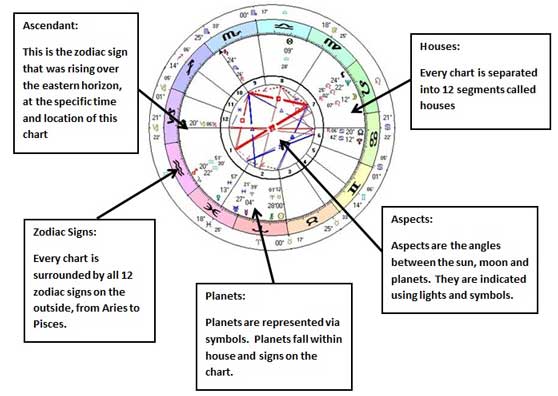
Quick solo mentions not included in the podcast Vedic Astrology, Enneagram of Personality & Wheel of Totality with Indra Rinzler:


Audio: Brief Astrology Addendum For Indra Rinzler Podcast

The raw unedited YouTube transcription of this podcast:

wholeness this is a brief

talk on what i had originally prepared

for mentioning with recent guest

vedic astrologer

indra

renzler

however when i was writing this down

let’s just say i got some signs to not

go through with all that so some of it i

did though and these are just some

brief

questions

that i was curious about but i could see

how they would be

painted

in a light

by some perhaps

that could seem

invalidating

to the whole entire system of astrology

and if that was the case

it wouldn’t be very

becoming of a podcast host i feel unless

that was agreed to

before we started and of course i don’t

cling to any of these

views or opinions they’re just

something i was curious about and

interested in exploring in order to

derive the truth around them this also

may illustrate my pretty much ignorance

and near complete lack of knowledge

about all this so in a western astrology

i’ve heard that a lot of times it

doesn’t

immediately align with the actual stars

so for instance maybe this sun might be

in capricorn in the western astrology

system but the actual sun

maybe for a short amount of time is in a

different sign so i was wondering

how that might affect

interpretation of charts and then

how computer charts

used today

both how does this help

and hinder how it was done in ancient

times and how was it done in ancient

times without computers my own

experience

early on

with like pop

newspaper astrology i would notice

that if i read it then it became almost

a script for that day or whatever it was

saying but if i would

not read it

and wait for it to become outdated

and then compare it to memory of what

actually happened it didn’t seem to have

such a big

effect as if i read it

beforehand i’ve also heard western

astrology charts referred to as

enslavement charts so how much of what

is expressed in the chart limits how

much of it frees

liberates how much of it locks

us into systems

instead of our power beyond all this

beyond

astrological systems so then

how much does

or can astrological knowledge mitigate

what’s seen as

not beneficial in a chart verses are

compared to

or just to consider

how much would direct knowing mitigate

any negative effects and just a few

miscellaneous notes that aren’t really

controversial or questions so i remember

reading a suta a buddhist that suggested

that monks living in the wilderness

should be familiar with the zodiac and

there’s a book

called something like the stars and a

new way to see them by

two initials and then rey i want to say

it is some of the ways the

constellations are drawn and then

compared to the actual stars it’s really

confusing because they don’t really

resemble each other much however with

this book and the illustrations in

in it it seems a little bit more clear

on where the names were derived from and

also how to identify them by these new

connecting of the dots of the stars

there’s a saying that

millionaires don’t use astrology

billionaires do and the fact that reagan

was said to have his own personal

astrologer while in the white house and

maybe beyond that i’m not sure this

concludes a brief miscellany on

astrology

Vedic Astrology, Enneagram of Personality & Wheel of Totality with Indra Rinzler

[Nov 11, 2025 Update: Indra new book Indra’s Net: A SEEKER’S Guide to the Human Experience comes out Nov 20 and was “a lifetime in the making [with] innocent first writings a full 8 years ago”]

Some of the topics Indra Rinzler and I address:

  • Who is Indra Rinzler, what he does and how he helps people
  • What is “self”/”Self”
  • (my unique laugh)
  • “So I’ve heard” and “Thus I’ve heard”
  • “positionality”
  • clinging to beliefs, views and ideas
  • insights, letting go, emptiness
  • changes
  • live as a mirror and Indra’s net
  • triggers
  • expansion
  • formlessness

Vedic Astrology

  • http://www.indrarinzler.com/astrology.html
  • “same same and different”
  • satiereal vs. tropical time
  • 24 degrees backwards
  • how Western and Vedic Astrology were once very similar and currently not as much
  • (my) experiences with astrology and (loose) parallels to learning math and navigating megalopolises
  • casting charts for time periods and places
  • origins and history
  • Mesopotamian tablets
  • omenology by the priest class and advisors regressing over time
  • dumbing down of society
  • Copernicus, Galileo, Potalamy
  • Greek 59 epicenters to explain how the sun circles the earth
  • popularity of some theories over others
  • Astrology to identify patterning in order to let them go
  • folks going to Astrologers when at their wits end
  • needing to know vs. not needing to know (the origins, or the why) for releasing, clearing, letting go [I didn’t mention that if the same thing repeatedly occurs after clearing again and again then perhaps look into the origins and why it keeps happening]

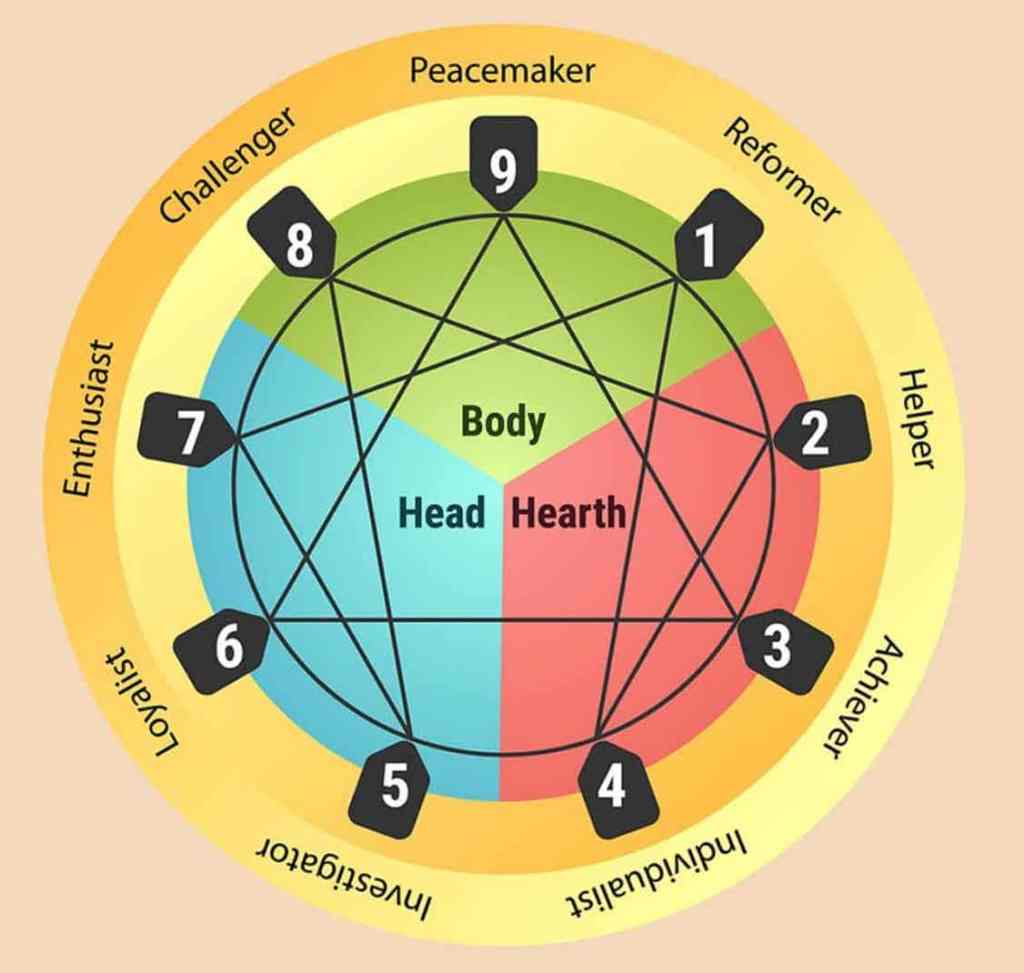
Enneagram

  • http://www.indrarinzler.com/enneagram.html
  • https://secretenergy.com/ennealogy
  • history with Gurdjieff
  • archetype/personality system added later by student
  • detects core story to be able to come back to the moment
  • THE sticky 9 Judeo-Christian archetypal/behavioral stories of last 2000-5000 years both visible and invisible
  • The story we tell about ourselves and its importance, non-importance, solidity, malleability, becoming its script-like nature, clinging and holding it loosely
  • Tarot as an archetypical system
  • distilling a session down to eight words with/as an affirmation
  • “I guess I gotta do it”
  • entering open vibrations for information
  • origin of Enneagram shrouded in mystery
  • cycles of rediscovery
  • “You and your cat both think ‘let’s go down and have a beer at the bar'”
  • anger, emotion and fear as core instincts
  • extroversion, introversion and mesoversion/ambiversion/neutral/”quality control” as responses or directions to/for incoming energy
  • Three instincts times three directions = nine Enneagramic vibrational signatures:
    • 1) perfectionist — anger inward making up the right way to cover for feelings of uselessness and inadequacy
    • 2) helper — outward selfless appearance to create codependency as love strategy
    • 3) producer — achievers (for social status)
    • 4) inward emotion/individualist — sensitive, artists, expressive
    • 5) observer — fear inward using information to protect feelings of inadequacy
    • 6) loyalist — fear neutral with anxiety and doubt learning courage and duty using faith, not mind to get out of story
    • 7) enthusiast — outward fear, lighthearted, partiers, storytellers, actually running away from feelings
    • 8) boss/challenger — strongest personality with all offense to cover up teddy bear in their heart
    • 9) peacemaker — neutral anger – disconnect from self to create harmony
  • one’s main enneagram number uses wings, or other numbers for coping strategies
  • taking on others by proximity and merging
  • coming to no-story by going through your story not the story of no-story
  • complexity of “Dissociative Identity Disorder” and empaths
  • multiplicity of fears
  • discerning fear from past traumas, past lives and this current life as priority
  • nothing is personal concordant with experiential nature of our lives
  • deja vu, unexplained knowing, and depth of present time
  • scientific studies of past lives

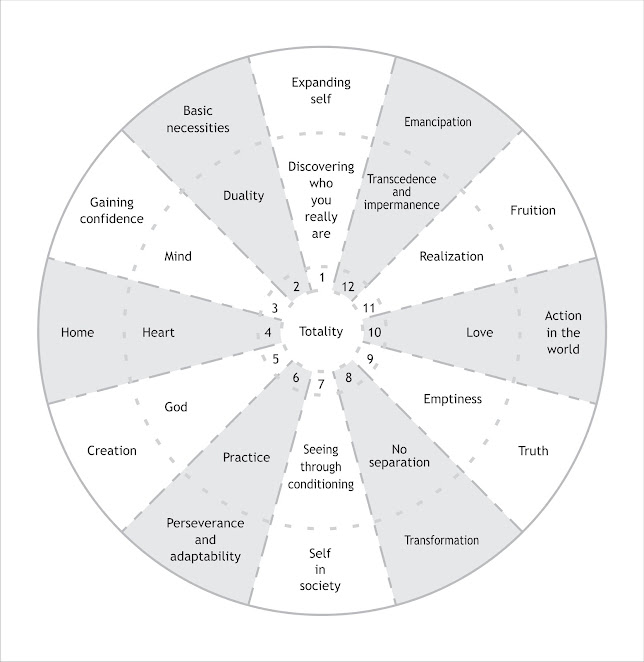
Wheel of Totality

  • Astrological houses containing awareness on the highest level
  • example: 10th house in mundane astrology is career while the higher version is love
  • houses without planets are blindspots
  • overlaying natal chart onto Wheel of Totality to see qualities and abilities both present and not
  • houses:
    • 1) who you are
    • 2) duality, judgementalism
    • 3) mind
    • 4) heart
    • 5) God/cosmic intelligence, acceptance
    • 6) practice, challenges
    • 7) (discerning) conditioning
    • 8) nonseperation, interconnection
    • 9) emptiness
    • 10) love
    • 11) realization, surrender, trust, progression, ultimately no one in control
    • 12) changes, transcendence, impermanence, vision
  • balancing and integrating the mundane, various modalities, groundedness, practicality, and practice with stages of galactic gasses, transcendence, and awakenings

http://www.indrarinzler.com

Audio: Vedic Astrology, Enneagram of Personality & Wheel of Totality with Indra Rinzler

From the related blog post https://integratingpresence.com/2021/12/27/podcast-brief-astrology-addendum-for-indra-rinzler-podcast
Continue reading “Vedic Astrology, Enneagram of Personality & Wheel of Totality with Indra Rinzler”

Perceiving And Responding To “Intelligent” Machine Unknowns

As also seen from the embed above, my actions and responses to recent Instagram opportunities:

12/24/1919 is obviously not my real birthday. With zero notification or options given to export my account and exit, blackmail and extortion by a human-less IG leaves zero recourse for this my choice for momentary misrepresentation. I’m open to consider meeting with any organic lifeforms (from Instagram or otherwise) to determine trust whether to divulge DOB. My phone number and many modes of contact are on my website. Furthermore, direct messaging from my other @dippold IG account says “Sorry, this page isn’t available” while it recently worked before this. Nor where multiple images for one post allowed. I choose not to speculate as to causes and conditions (here, now).
This raises many questions I’d rather not inform the Artificial Intelligences perhaps involved in this scenario prior to this, now, and/or in the future but I feel this is the virtual time and place to do so. When machines, algorithms, AI, (quantum) computer systems, etc. — and (possibly) their creators, those behind them, and/or responsible for them — test us, cut us off, glitch out deliberately (or not), provoke, prod, study, run operations, execute various commands pushing into the organic world, behave in ways (currently) unbeknownst to us, are unreachable, unaffected, agendas unknown, irrelevant, with little to no reference points, and/or nearly being beyond any kind of comprehension like a sick alien from a yet to be conceived sci-fi movie . . . how do we (hypothetical or not) view something like this? What’s the relationship to this and to ourselves? How ought relevant responses be skillful, helpful, wise and wholesome leading to the long term well-being, happiness and the true heart’s release for all beings everywhere?
[As of 1:00am 12/25/2021 my @dippold direct messages work again so I’ve deleted the two previous posts there as the point of their content is now included on @integratingpresence]

Somewhat related: