How To Find (Meditation) Teachers

The best advice I’ve heard so far is basically:

  1. finding, making and holding dear spiritual friends (or those aligned and supportive on your path/journey)
  2. selecting teachers one resonates with and benefits from

There’s a saying that when you’re ready the teacher will appear. And when you’re really ready the teacher will disappear. For me, especially when starting out — and after getting past the baggage of unhelpful perceptions about many run of the mill school teachers — it sometimes seems like I still come across teachers by happenstance, but more likely it’s due to conditions and cause and effect. More so currently, teachers often seem to appear via synchronicity and similar mutual alignments.

Most of my formal meditation and spiritual teachers since I started out in 2012 are via online only (as of now). And just like most stuff online there’s a deluge of information silos to sift through to get to the good stuff, if one approaches finding teachers like most things online.

I then spent several years after starting out binge consuming podcasts and YouTube, often with each info dense episode leading to all kinds of other stuff and thus an exponential continuation of material to search out, consume, make connections, research, discern, etc. It’s important to exercise the saving grace of regular reminders about information overload.

During this phase I also found it very helpful to pause in the middle of something, walk away, and briefly assess — via thought, gut and intuition — if listening to the entire podcast or video would be worth the time (especially for the longer ones). Starting off, one’s inner guidance may likely be rusty and not nearly as trustworthy as it later becomes once developed.

For many, the popular, more mainstream teachers can serve as reference points for other teachers, and for wading through, sorting and roughly labeling vast amounts of material and teachings. This approach often supports discussions with friends and (potential) teachers.

While spiritual guru culture likely peaked in the 60s and 70s it can still be interesting to observe remaining gurus, their devotees, followers, cultures and lifestyles. For me, in general, teachers worth their salt will likely encourage moving on once they no longer help serve, expand, grow and assist one at the rate and amount to make it worth one’s time. Celebration is actually in order for such outgrowing and lack of clinging.

Other odds and ends of teacher vetting include:

  • Do their teachings and path(work) include the heart? If not, it would be very challenging for me to recommend them
  • How open and encouraging are they to questions and feedback?
  • Who are their own teachers, past and current?
  • Especially for those discovered without reference, is there somehow an immediate recognition of the teacher as important and worthwhile? Do their general teachings seem to speak directly to one’s path/journey?
  • For informational purposes see articles: How to Find (& Vet) a Buddhist Teacher and Controversial “Buddhist” Teachers and Groups
  • There is the three fold training of sila (ethics), samadhi (meditation) and paññā (wisdom) but there is also this from from pages 662-3 in Chapter 7 Awakened Beings of the book Buddhadhamma:

. . . Physical cultivation (kāya-bhāvanā): physical development; to
develop one’s relationship to surrounding material things (includ-
ing technology) or to the body itself. In particular, to cognize things
by way of the five faculties (eye, ear, nose, tongue, and body) skil-
fully, by relating to them in a way that is beneficial, does not cause
harm, increases wholesome qualities, and dispels unwholesome
qualities.

Physical mastery (bhāvita-kāya): this refers to those who have
developed the body, that is, they have developed a relationship
to their physical environment and to their physical bodies; they
have a healthy, contented, and respectful relationship to things
and to nature; in particular, they experience things by way of the
five senses, say by seeing or hearing, mindfully and in a way that
fosters wisdom. They consume things with moderation, deriving
their true benefit and value. They are not obsessed or led astray by
the influence of preferences and aversions. They are not heedless;
rather than allowing sense stimuli to cause harm, they use them
for benefit; rather than being dominated by unwholesome states
of mind, these individuals nurture wholesome states. . .

Eventually, formal teachers may be needed less and less, and nearly everything and everyone we encounter can, in a certain light, be a teacher or tester.

Multi-month Pāramitā (Perfections) Challenge For February 2022

Sangha, criticism, the two truths, service to others, emptiness, generosity, conduct, non-clinging, non-harming, energy, the three unwholesome roots, and clarity round out the main topics for February 2022, month six of “The Pāramitā Challenge”. See also Months 1-3, Month 4 and 5.

Instructions are to journal contemplations resulting from observed intentions, opportunities, and actions to be generous, moral and ethical while arousing faith in the Triple Gem then seeing where/when confident and where/when in doubt.

Again, I’ve not taken Bodhisattva vows, and so with little instruction in Mahāyāna Buddhism, apart from maybe a smidgen of the zen stuff, there’s the benefit of beginner’s mind is a nice way to put it. I continue to shoot from the hip in this recording and will use a Theravada lens now and again plus plenty of inquiry as I ponder out loud. It may come off at times as criticism, and sometimes it may actually be, but these are mostly solo efforts at summonings what is really meant by the material.

Only a couple notes this month. For the first portion of “don’t discuss the faults of the Sangha” I failed to mention in Theravada, as far as my current innerstanding, the monastic training rules of the Vinaya were mostly established by the historical Buddha during his time and often prompted by certain incidents. Also, I did not receive February’s Challenge until after I checked back on February 17th after initially asking a friend toward the beginning of the month who help spur it along I guess. So with travel in late January, another trip in early February, and more or less being forced to move by the end of February (not worth mentioning here) this month is recorded all in one go.

On the upside, I was told the entire material for the challenge, up to this point is public and (now) at https://maba-usa.org/paramita-challenge. And if I were to guess, there’s plans for it to continue to be retrievable online, but it seems like much of this challenge has been just getting/having access to it. I trust social distancing only goes as far as some occasions in real life and doesn’t continue online, if a “bad” joke here is allowed.

https://fineartamerica.com/featured/paramis-dave-wood.html
The Pāramīs in Theravāda Buddhism:
  1. Dāna pāramī: generosity, giving of oneself
  2. Sīla pāramī: virtue, morality, ethics, proper conduct
  3. Nekkhamma pāramī: renunciation
  4. Paññā pāramī: wisdom, discernment
  5. Viriya pāramī: energy, diligence, vigour, effort
  6. Khanti pāramī: patience, tolerance, forbearance, acceptance, endurance
  7. Sacca pāramī: truthfulness, honesty
  8. Adhiṭṭhāna pāramī : determination, resolution
  9. Mettā pāramī: goodwill, friendliness, loving-kindness
  10. Upekkhā pāramī: equanimity, serenity
Continue reading “Multi-month Pāramitā (Perfections) Challenge For February 2022”

Show Up. Listen Up. Speak Up. | (2/22/2022 — “Ask Us Anything – LIVE” With Lydia Grace)


Fellow Insight Timer teacher Lydia Grace inspired the title of this month’s regular open-audience, open-discussion “Ask Us Anything” — continuing discussions about meditation and related topics.

Recently on Lydia’s Insight Timer circle Embodied Living she said of one of her solo live events, “…you didn’t actually miss the live because I got on briefly to say I couldn’t do it today due to a migraine and needing to rest.” This is how to Show Up even when one can’t. Lydia’s nuanced and expansive healing BodyTalk technique helps us Listen Up beyond our day-to-day attentiveness. And both Lydia and I are now no strangers on how to Speak Up even if we would rather not interrupt each other but continue doing so. We aim to inspire those with interest in more publicly — or even just more boldly — sharing what one feels called to share with kindness, integrity, authenticity and alignment.


Doing full show notes seems to take (me) a lot of time and energy so I may or may not include full notes later. I welcome any inspired listener(s) to take and send show notes for inclusion here by emailing them to integratingpresence[attt]protonmail.com


Audio: Show Up. Listen Up. Speak Up. | (2/22/2022 — “Ask Us Anything – LIVE” With Lydia Grace)

Or listen via Insight Timer (app or website)


Find and connect with Lydia:


Join “Ask Us Anything LIVE” next month, Tuesday March 29, 2022 at 3:00pm Central via:

Continue reading “Show Up. Listen Up. Speak Up. | (2/22/2022 — “Ask Us Anything – LIVE” With Lydia Grace)”

An Integrating Presence Meditation At Fat Cat Longevity (And Insight Timer Live) Sunday, February 20, 2022

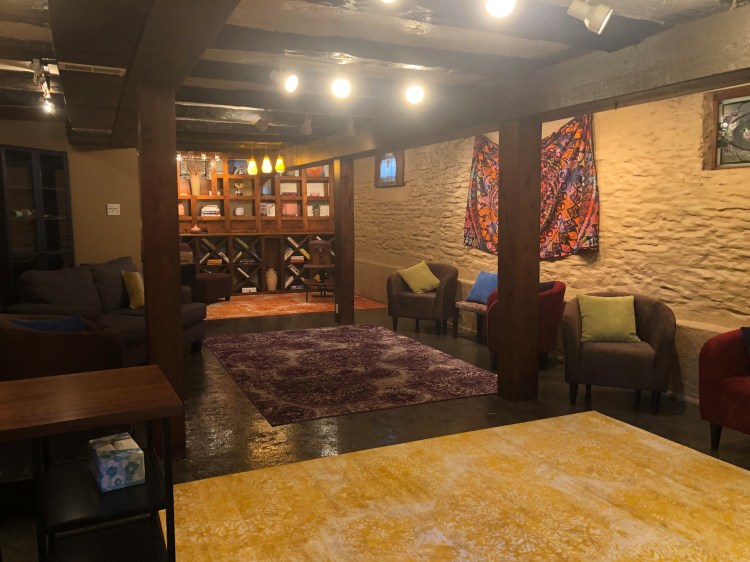
Join meditation 10:30am-11:15am Central Sunday, February 20th at Fat Cat Longevity [https://facebook.com/freyflow] downstairs next to Peace Love Coffee at Mary’s House of Healing, on Main St in St Charles, MO.

Also, a simulcast is scheduled for Insight Timer Live again:

Calendar add and direct link to join Insight Timer Live event: Live Meditation From Fat Cat Longevity

Similar to past meditations at Fat Cat Longevity, we plan to start with brief instructions along with a discussion before and after.
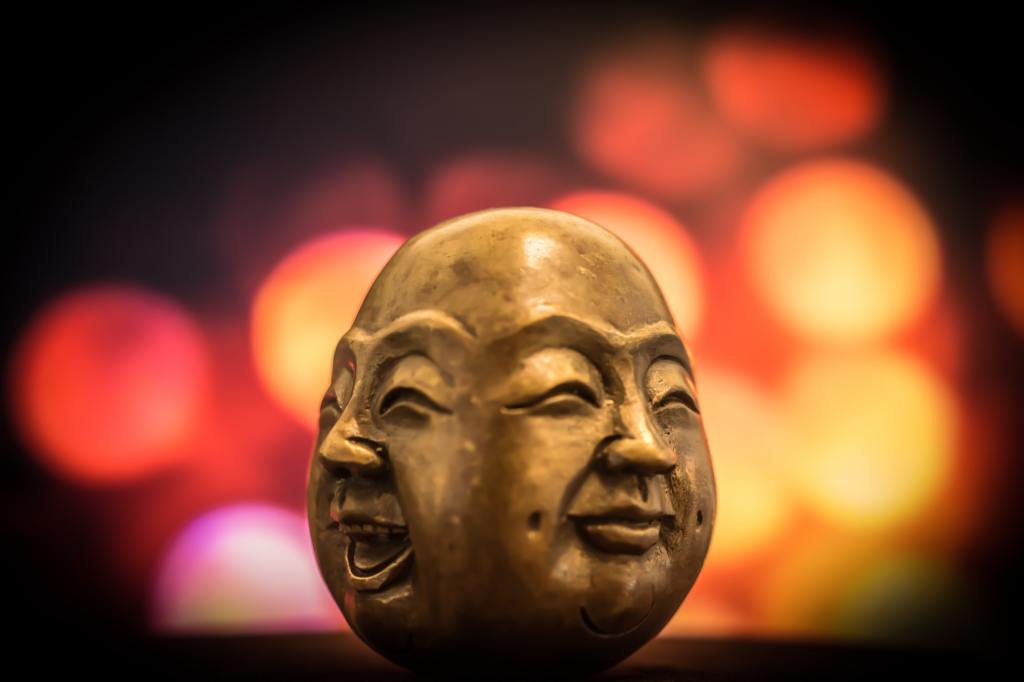
Our semi-formal meditation possibilities include — but are not limited to — a combination of:

  • concentrating/gathering/unifying the mind, breath and body
  • compassion and loving-kindness
  • (open) awareness
  • 5 simple Qi breathing exercises
  • mindfulness [1) body 2) heart-mind: thoughts, emotions, moods, mind states 3) relationship to our experience]

Mary’s House of Healing
524 South Main Street
Downstairs at Fat Cat Longevity next to Peace Love Coffee…
St. Charles, MO (63301)

Sunday, February 20th 2022 — 10:30am – 11:15am

Doors open: 10:20am — Doors close: 10:35pm

Or join via Insight Timer Live: https://insighttimer.com/live/397078af-da51-44f2-8a96-900dc682e0e3

Cost: Fat Cat Longevity price packages, monthly membership or generosity inspired donation

Being Seen. Being Heard. Being In Silence, Eyes Closed.

On Sunday January 23 I did the above titled Insight Timer live event with this description:

What does it mean to really be seen? Really be heard? To be in silence with closed eyes? Which of these is crying out the most for more nourishment from you & from/for those in your life? Let’s take 15 minutes or so to bounce these around with perhaps some mindfulness of hearing & seeing meditation

An edited version for podcast:

Audio: Being Seen. Being Heard. Being In Silence, Eyes Closed.

Or listen via Insight Timer (app or website)


Continue reading “Being Seen. Being Heard. Being In Silence, Eyes Closed.”

Multi-month Pāramitā (Perfections) Challenge For January 2022

[2/17/2022 UPDATE: I just got February’s Challenge and was told it’s now at https://maba-usa.org/paramita-challenge. I’m going to see if I can still complete by the end of February]

Meditation, concentration, contemplation, intoxicating substances, cravings, awakening, wisdom, and future Buddhahood round out the main topics for January 2022, month five of “The Pāramitā Challenge”. See also Months 1-3 and Month 4.

In addition to contemplating topics about the Pāramitās or Perfections, so far, this challenge also includes precepts, the (10 Abodes from the) 52 Stages of the Bodhisattva Path and Bodhisattva vows.

Instructions are to journal contemplations resulting from observed intentions, opportunities, and actions to be generous, moral and ethical while arousing faith in the Triple Gem then seeing where/when confident and where/when in doubt.

Again, I’ve not taken Bodhisattva vows, and so with little instruction in Mahāyāna Buddhism, apart from maybe a smidgen of the zen stuff, there’s the benefit of beginner’s mind is a nice way to put it. I continue to shoot from the hip in this recording and will use a Theravada lens now and again plus plenty of inquiry as I ponder out loud. It may come off at times as criticism, and sometimes it may actually be, but these are mostly solo efforts at summonings what is really meant by the material.

No notes this month other than to mention the missing medical disclaimer for week three: I’m not a medical professional, nor giving medical advice, merely sharing thoughts and musings. Please consult the proper health care personnel before changing any medical regimen.


https://fineartamerica.com/featured/paramis-dave-wood.html
The Pāramīs in Theravāda Buddhism:
  1. Dāna pāramī: generosity, giving of oneself
  2. Sīla pāramī: virtue, morality, ethics, proper conduct
  3. Nekkhamma pāramī: renunciation
  4. Paññā pāramī: wisdom, discernment
  5. Viriya pāramī: energy, diligence, vigour, effort
  6. Khanti pāramī: patience, tolerance, forbearance, acceptance, endurance
  7. Sacca pāramī: truthfulness, honesty
  8. Adhiṭṭhāna pāramī : determination, resolution
  9. Mettā pāramī: goodwill, friendliness, loving-kindness
  10. Upekkhā pāramī: equanimity, serenity
Continue reading “Multi-month Pāramitā (Perfections) Challenge For January 2022”

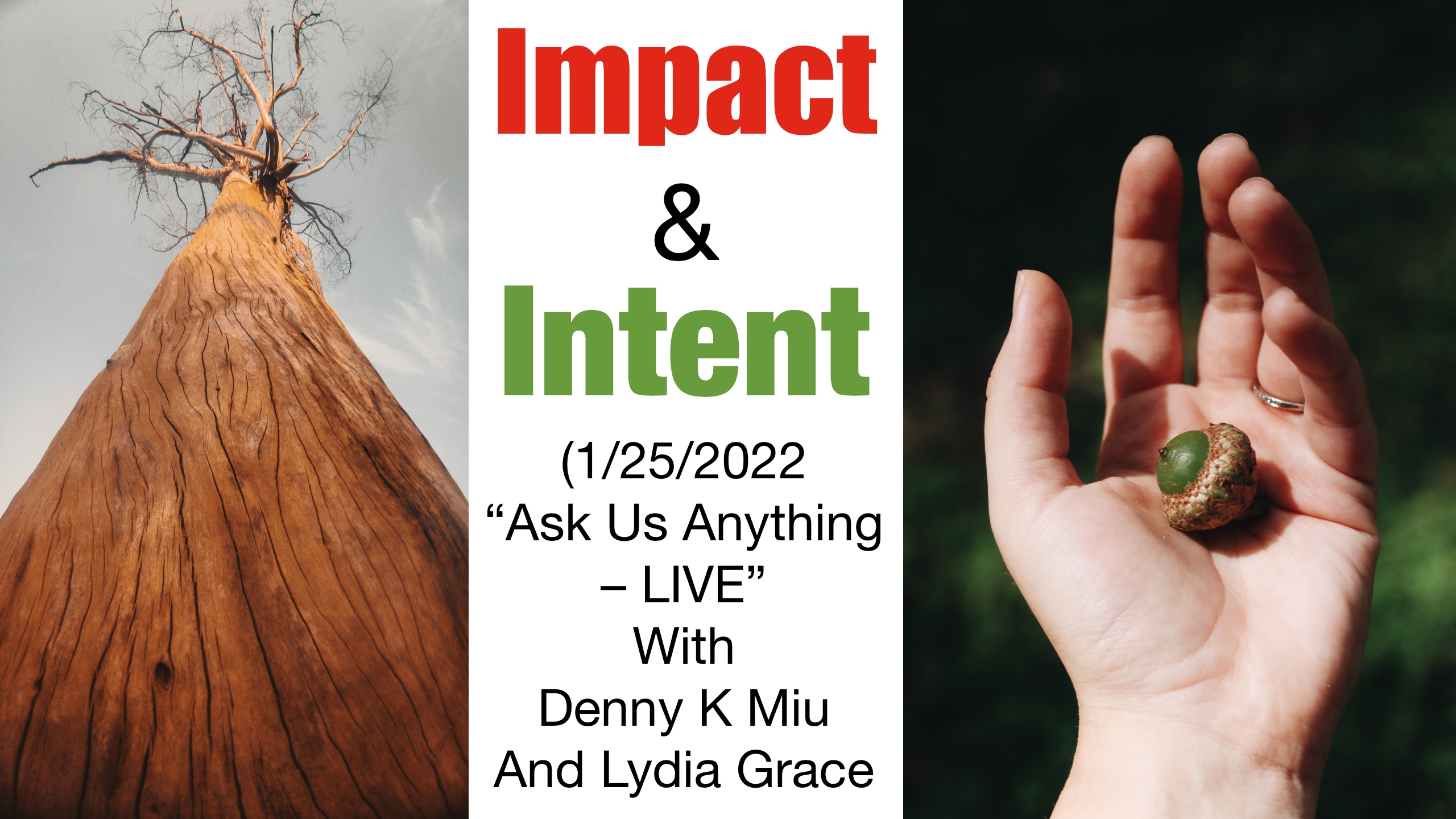
Impact (And/Over) Intent | (1/25/2022 — “Ask Us Anything – LIVE” With Denny K Miu And Lydia Grace)

For this month’s regular open-audience, open-discussion “Ask Us Anything” — continuing discussions about meditation and related topics — fellow Insight Timer teachers Lydia Grace, Denny and I explore the alignment of intent and impact.

Doing full show notes seems to take (me) a lot of time and energy so I may or may not include full notes later. I welcome any inspired listener(s) to take and send show notes for inclusion here by emailing them to integratingpresence@protonmail.com.

My notes before the show:

[for previous show, Letting Our Body Talk, in reference to wholesomeness:]

“Come Kalamas. Do not go upon what has been acquired by repeated hearing; nor upon tradition; nor upon rumor; nor upon what is in a scripture; nor upon surmise; nor upon an axiom; nor upon specious reasoning; nor upon a bias towards a notion that has been pondered over; nor upon another’s seeming ability; nor upon the consideration, “The monk is our teacher.” Kalamas, when you yourselves know: “These things are good; these things are not blamable; these things are praised by the wise; undertaken and observed, these things lead to benefit and happiness,” enter on and abide in them.”

Excerpt from the Kalama Sutta – The Buddha’s Charter of Free Inquiry

Audio: Impact And Intent | (1/25/2022 — “Ask Us Anything – LIVE” With Denny K Miu And Lydia Grace)

Or listen via Insight Timer (app or website)


Find and connect with Lydia:


Join Denny live Saturdays online for Yi Jin Jing and mindful joint, stretching, breathing, and qi exercises at 8:00am Pacific via:

Denny’s other links:


Continue reading “Impact (And/Over) Intent | (1/25/2022 — “Ask Us Anything – LIVE” With Denny K Miu And Lydia Grace)”

What are thoughts? Are dreams like thoughts?

The January 11, 2022 Insight Timer live event description explaining the title questions:

Let’s powwow for 30 minutes or so on these two questions from my “Distortions and Dreams” event to address any parallels between thoughts and dreams. We may even do some mindfulness of thinking meditation

To save time, the short answer is I don’t know.

Feel free to listen in and/or check out some of the notes:


Thoughts and thinking


"Thought" definition:

1) an idea or opinion produced by thinking, or occurring suddenly in the mind
2) the action or process of thinking

[and/or] …conscious cognitive processes that can happen independently of sensory stimulation.


  • Images and/or words
  • very pronounced to faint blips like small bubbles popping
  • Where do they come from? Outside the mind(?)
  • Joseph Goldstein/Munindraji
  • How do electrochemical occurrences translate to particular distinct thought(s)?

First more background:

All experience is preceded by mind
Led by mind
Made by mind.
Speak or act with a corrupted mind,
And suffering follows
As the wagon wheel follows the hoof of the ox.

All experience is preceded by mind,
Led by mind,
Made by mind.
Speak or act with a peaceful mind,
And happiness follows
Like a never departing shadow.

First two verse of the Dhammapada — translation by Gil Fronsdal

Mental activity: judging, reasoning, concept formation, visualization, problem solving, deliberation, considering an idea, memory, conversations, reflection, imagination, contemplation

  • emotional feedback loop and moods
  • Frequency spectrum — alpha, beta, delta, gamma, theta
  • Brainwave entrainment
  • Pattern recognition & completion
  • Conditioning
  • Proximity

Fringe and parapolitcal:

  • TV programming
  • Subliminals
  • Retinal induction programming (seizures)
  • MK Ultra
  • Trauma based mind control
  • Mythology: Thoth
  • Experiences beyond frequency spectrum:
    • stilling/quieting mind and jhanas
  • Maybe an interface: experience, perception and consciousness are translated into words and images and/or vice versa words and images influence experience, perception and consciousness

Now back to phenomena of thoughts and thinking:

  • trance of thinking
  • demonizing and/or worshiping thinking
  • overthinking as alarm clock
  • heart alignment to amplify what?
  • use thinking instead of thinking using you
  • arhats only thinking when choosing to

Dreams


"Dreams" definition:

1) a series of thoughts, images, and sensations occurring in a person's mind during sleep

2) a cherished aspiration, ambition, or ideal

  • States of (human) existence:
    • Waking
    • Dreaming
    • Deep sleep
    • Meditation/substances/(altered) states/mix of these
  • Types of dreams:
    • visions of past (lives)
    • visions of future
    • messages from other realms
    • wind in the belly
    • [cold room, “cold” dream]
  • loving-kindness for sweet dreams
  • perception (recognition) and consciousness (knowing shape and color)
    • waking: limited by acuity of senses and misperception
    • dreaming: perception opened up
  • Bhavaṅga: deep sleep. when drowsy between taking up mind objects
  • Unconscious Asaññasatta world attained by consciousness suppressing practices
  • sense of time passing during an anesthetic vs deep sleep
  • (lucid) dreaming practices:
    • visualization of 16 petaled blue lotus of throat chakra
    • last and first breaths
    • looking at hands
    • reading
    • walking meditation
    • “am I dreaming?”
    • light switch
    • devices
    • alarm
    • journaling
    • look for these dream signposts/indicators — like light switches, hands, reading, (picking up) things on ground — in both waking and dreaming life

Guided Practice:

  • words or images
  • location
  • observe
  • pink elephant
  • how is the mind pre-thought?
  • catching arising, if remaining, passing
  • thought energy
  • suppression?
Audio: What are thoughts? Are dreams like thoughts?

Or listen via Insight Timer (app or website)


Starting at 43:34 Pa Auk Sayadaw answers how devas can appear in and influence dreams

Starting at 43:34 Pa Auk Sayadaw answers how devas can appear in and influence dreams
Continue reading “What are thoughts? Are dreams like thoughts?”

An Integrating Presence Meditation at Fat Cat Longevity (And Insight Timer Live) Wednesday, January 12, 2022

Also simulcast via an Insight Timer Live event!

Join meditation 6:00-6:45pm Central Wednesday, January 12th at Fat Cat Longevity [https://facebook.com/freyflow] downstairs next to Peace Love Coffee at Mary’s House of Healing, on Main St in St Charles, MO.

Also, a simulcast is scheduled for Insight Timer Live again:

Calendar add and direct link to join Insight Timer Live event: Live Meditation From Fat Cat Longevity

Similar to past meditations, we plan to start with brief instructions along with a discussion before and after.

Our semi-formal meditation possibilities include — but are not limited to — a combination of:

  • concentrating/gathering/unifying the mind, breath and body
  • compassion and loving-kindness
  • (open) awareness
  • 5 simple Qi breathing exercises
  • mindfulness [1) body 2) heart-mind: thoughts, emotions, moods, mind states 3) relationship to our experience]

Mary’s House of Healing
524 South Main Street
Downstairs at Fat Cat Longevity next to Peace Love Coffee…
St. Charles, MO 63301

Wednesday, January 12th 2022 — 6:00pm – 6:45pm

Doors open: 5:50pm — Doors close: 6:05pm

Or join via Insight Timer Live: https://insighttimer.com/live/945b7c41-8f28-4384-bee7-9b93319d0b4b

Cost: Fat Cat Longevity price packages, monthly membership or generosity inspired donation

(Authentic) Smiling (Practice)

On Thursday January 6th, 2022 I held an event concurrently on Insight Timer Live and the Wisdom app called “(Authentic) Smiling (Practice)” with the description:

Revel in the power of real life smiles discussed virtually (for 15 minutes or longer perhaps). I invite participants to share smiles and experiences as I relate a somewhat brief formal practice of smiling on near daily walks a couple of years ago.

My original notes are more or less as follows:

Experimental experience

  • disclaimer: some of this is not for all
  • Andrea Fella dharma talk years ago
  • if winter now file away
  • different now
  • use for future reference and/or reflection on the past
  • visited places where masks seldom worn to consistent and persistent
  • places around here where no one wears, recommended and required and these change from time to time
  • public spaces where masks aren’t required
  • lots of joy and wellbeing at that point in practice
  • pushing limits
  • my practice of brute force amping up of smiling at everybody, or saying hi to everybody. Sometime not in alignment with mood, circumstances, environment
  • intense. deliberately drawing attention to one’s self to solicit a response — difficult for introvert and avoidant types
  • responses: friendly, smiles back, stop and chat, rejections, subtle hostility, indifference, etc.
  • opposite and same sex — attractions and nodding
  • then using discernment of who to smilie to

(Lack of) authenticity when smiling

  • authentic sending and receiving — at least observed in others or with pets/animals, children
  • perceptions of fake and forced vs authentic from me and others. doubt
  • on fence about “fake it until you make it”
  • miss America using vaseline on teeth
  • genuine niceness — which might be at various levels — and kindness
  • from the head or heart?

I don’t know karate, but I know craaaazy

From “The Payback” by James Brown

Ideas for practice

  • how much real danger vs negativity bias around certain things that happened around unknowns
  • imagine this practice and compare to reality
  • Tara Brach — inner smile, heart, hips, etc.
  • strangers — on walks, public transport, restaurants, grocery stores, zoom, all and select
  • receiving practice: who would and wouldn’t you want to simile at you? How would you take it? What about getting unexpected smiles?
  • emotions, thoughts, state of mind and felt bodily experience in self and others before, during, after and for how long — their durations o
  • warmth, joy, rejection, suspicion, judgement, what do they want, how’s there life, why can’t I smile back, human kindness, suffering and compassion
  • notice ups and downs of responses and their durations before next smile
  • discerning who to smile too: confidence, conviction, invite allowance, make resolve for smiling to occur naturally more often
  • feeling smile related parts of body
Audio: (Authentic) Smiling (Practice)

Or listen via Insight Timer (app or website)


Extras not on audio:

“Watching all these near death experience interviews has started to affect me. So many of these people talk about loving light from a source that seems to keep encouraging them to love themselves and others (everybody has their own version of that). The qualities and characteristics of what I use to do my job in helping people have all become more magnified since I’ve been trying to see where it is in my own life. So I’ve been looking at random people and asking myself how I could love that person. Or smiling at people I normally wouldn’t has been interesting. I’m trying to get to a point where I can feel the same way about random people as I do about animals. That’s been really interesting dissecting why that is and finding some interesting connections between honesty and forgiveness. And how all this leads to self-assuredness, groundedness and not taking things personally. Thought I would share my shift in perspective. It’s sort of what we’ve always known but just maybe experiencing/feeling it more profoundly or in a different way? Seems sort of hokey but it’s happening. The real challenge are people that are actively aggressive and/or arrogant/abusive…”

text from a friend

Smiling in Abhidhamma:

26. Hasituppada is a citta peculiar to Arahats. Smiling is caused by a pleasurable feeling. There are thirteen classes of consciousness by which one may smile according to the type of the person. An ordinary worldling (puthujjana) may laugh with either one of the four types of cittas rooted in attachment, accompanied by pleasure, or one of the four kusala cittas, accompanied by pleasure.

Sotapannas, Sakadagamis, and Anagamis may smile with one of the two akusala cittas, disconnected with false view, accompanied by pleasure, or with one of the four kusala cittas.

Arahats and Pacceka Buddhas may smile with one of the four sobhana kiriya cittas or hasituppada.

Samma Sambuddhas smile with one of the two sobhana kiriya cittas, accompanied by wisdom and pleasure.

There is nothing but mere mirth in the hasituppada consciousness.

The Compendium of Philosophy states: “There are six classes of laughter recognized in Buddhist works: (1) sita: – a smile manifesting itself in expression and countenance; (2) hasita: – a smile consisting in the slight movements of the lips just enough to reveal the tips of the teeth; (3) vihasita: – laughter giving out a light sound; (4) upahasita: – laughter accompanied by the movement of the head, shoulders, and arms; (5) apahasita: – laughter accompanied by the shedding of tears; and (6) atihasita: – an outburst of laughter accompanied by the forward and backward movements of the entire body from head to foot. Laughter is thus a form of bodily expression (kaya-viññatti), which may or may not be accompanied by vocal expression (vaci-viññatti). Of these, the first two classes are indulged in by cultured persons, the next two by the average man, and the last two by the lower classes of being.

Note 26 referencing “(18) Smile-producing consciousness, accompanied by pleasure” from 18 Types Of Rootless Consciousness (Functional Consciousness without Roots) in CHAPTER I — DIFFERENT TYPES OF CONSCIOUSNESS (Citta-sangaha-vibhago) of “A Manual of Abhidhamma” by Narada Maha Thera https://www.budsas.org/ebud/abhisgho/abhis01.htm

Smiling consciousness cannot arise without a body. Buddhas and Pacceka Buddhas who experience such classes of consciousness are not born outside the human plane.

Note 103 in
CHAPTER III – MISCELLANEOUS SECTION of A Manual of Abhidhamma” by Narada Maha Thera https://www.budsas.org/ebud/abhisgho/abhis03.htm

Continue reading “(Authentic) Smiling (Practice)”