Aware Vs Concentration Jhanas, Buddhist Reconciliation And The Six R’s (To Dissolve Distractions) With David Johnson

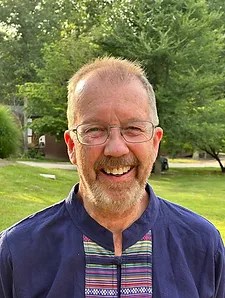
[Partial AI assisted show notes:] On Oct 22, 2024 I spoke (again this time online) with David Johnson, a meditation practitioner with over 13 years at Dhammasukha. David reflects on his interactions with renowned meditation teachers such as Mahasi Sayadaw and Deepa Ma, as well as his evolving meditation journey. After practicing what’s considered by some as Vipassana for many years, David found the results insufficient, prompting him to explore new methods under the guidance of Bhante Vimalaramsi, a monk who developed a meditation style called Tranquil Wisdom Insight Meditation (TWIM).

Key Points:

  1. Shift from Vipassana: David discusses how his exploration of TWIM came after realizing that pure Vipassana wasn’t fully aligning with his expectations. He describes Bhante Vimalaramsi’s method, which blends concentration and insight (Samatha and Vipassana) based on Sutta 149 from the Pali Canon.
  2. TWIM Practice:
    • TWIM focuses on combining Metta (loving-kindness) and mindfulness meditation to lead to jhanas (meditative absorptions) while applying the six Rs:
      • Recognize the wandering mind,
      • Release the distraction,
      • Relax the tension,
      • Re-smile,
      • Return to the object (Metta),
      • Repeat.
    • He emphasizes using Metta as a pleasant feeling to cultivate mindfulness, allowing it to naturally deepen into jhanas.
  3. Relaxation and Insight: The key in TWIM is not to force concentration but to gently relax distractions, allowing insight to arise. The method emphasizes acceptance, rather than suppression, of hindrances (such as restlessness or doubt).
  4. Jhanas and Mindfulness: David touches upon the difference between concentration-based jhanas and what he calls “aware jhanas,” which allow practitioners to maintain mindfulness while progressing through meditative states.

Instructions:

  1. Start with Metta: Focus on bringing up feelings of loving-kindness toward yourself, then extend it to a spiritual friend for 20 minutes.
  2. Six Rs: As the mind wanders, apply the six Rs to gently return to the object of meditation without force.
  3. Progress through Brahma Viharas: Once mindfulness is strong, cycle through the four Brahma Viharas (Loving-kindness, Compassion, Sympathetic Joy, and Equanimity) to deepen the practice.

I also ask David for advice about openly inviting and allowing phenomena (using a metaphor of living in a house of snakes) vs guarding the sense doors.

A big highlight for me was this definition of samadhi:

  1. Sa – meaning “together” or “unified.”
  2. Ma – representing “the mind.”
  3. Dhi – denoting “to hold” or “to place.”

Thus, samādhi means “holding the mind together” or “placing the mind in unification,” highlighting its function of concentrating the mind on a single object without distraction​

David’s Guru Viking episode I mention toward the beginning that I draw on for follow up from it https://www.guruviking.com/podcast/ep212-path-to-nibbna-david-johnson

We also get into differing camps over the importance, or lack of importance, of the Abhidhamma, the commentaries and sub-commentaries and how we still don’t have English translations of all of them.

I forgot to ask about the role of light in jhana and in meditation practice in general and forgot to make the point that perhaps the Abhidhamma and Visuddhimagga are about knowing and seeing the three characteristics of existence — inconsistency, stress/unsatisfactoriness and not-self — in deep, vast, expansive, comprehensive, profound and exhaustive detail on the micro and macro levels so as not to have any gaps in one’s wisdom

We also touch on reconciliation amongst Buddhist schools. David mentions the Buddha as a commonality and I mention the four Noble truths, or at least acknowledging them (to later say there is no suffering like in The Heart of Prajna Paramita Sutra). And again I forgot to ask David’s opinion if right effort / skillful means could be an explanation to perhaps why there are so many Buddhist practices / traditions to address proclivities, dispositions, and variations of the myriad beings, locations and time periods.

Lastly, I bring up truth in the contexts of conviction, admitting errors / getting it wrong and being open for deep investigations of the nature of reality.

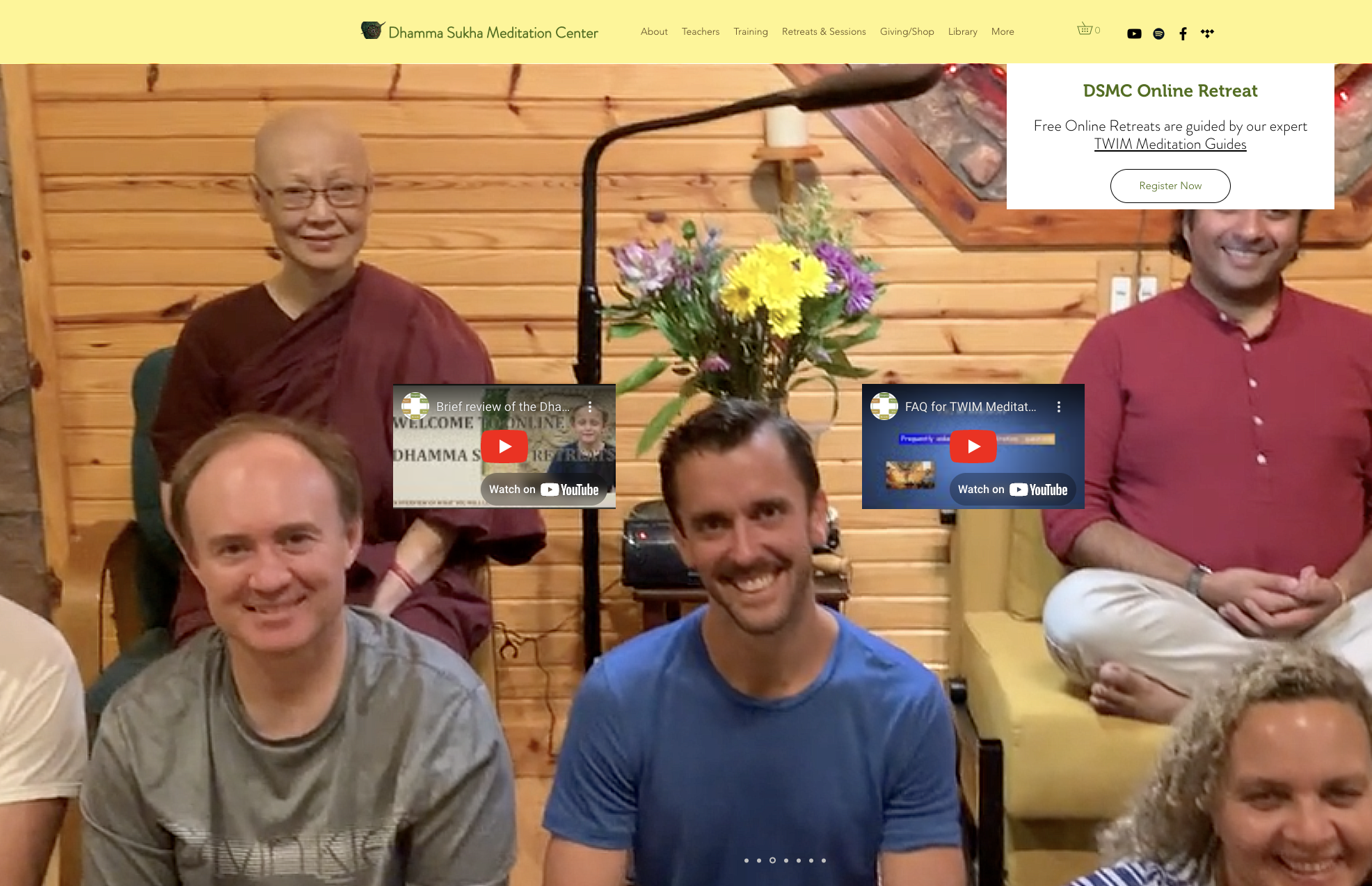
Find David and much of what’s mentioned at https://www.dhammasukha.org

Audio: Aware Vs Concentration Jhanas, Buddhist Reconciliation And The Six R’s (To Dissolve Distractions) With David Johnson

Or listen via Insight Timer (app or website)


The raw unedited YouTube transcription of this podcast:

holess welcome this is Josh tippled integrating presen and today I have David Johnson with me David what’s going

on great uh everything’s good and happy to be with you um I’ve been here at

Damas sua for jez around 13 years Lucky 13 and before that I was practing

practicing vipasana I’ve met mahasa I met Deepa Ma I had I took film of them

back in the 70s I’m that old I know manindra I know Joseph I Know

Jack you know I I know the whole whole crew with the vasana not so much in the goo world I’m not that familiar with it

but I spent like 20 years going through the the vasana um system I was very impressed

because there’s a book about how to do it and what would happen at each stage and that really drew me in and I

thought well if this is being laid out then I’ll just follow the process and attain enlightenment

well I did that um in terms of I did follow the process but what come came

out at the end of it it wasn’t really what I was thinking

I I thought I had done something but later my mind was just as kind of crazy as

before but in any case so I uh ran across Bon vimma Ramsey and he’s

practicing something very different I went to his website he’s got something like you know you have to smile you have

to laugh and it’s like oh that’s not serious at all and I thought well there must be something something’s up with

this so I got a hold of him I’d known him uh in his lay person days for a long

time back in the 70s we were all doing vas and uh he was always laughing so I

he he did carry that trait forward but he’d become a monk and he he was a monk 12 years and he went to upand all the

vas the world and all that so uh I got a hold of him uh somebody let me know that he was available so I

got a hold of him and and he wrote to me and and I and I asked him what is all this stuff you’re doing here this ey

doesn’t look like Buddhism to me and he wrote back oh no I’ve given up the mahasi style I’m G I’ve developed my own

Continue reading “Aware Vs Concentration Jhanas, Buddhist Reconciliation And The Six R’s (To Dissolve Distractions) With David Johnson”
Relationships, Creativity, And The Search For Meaning With Luka Boenisch

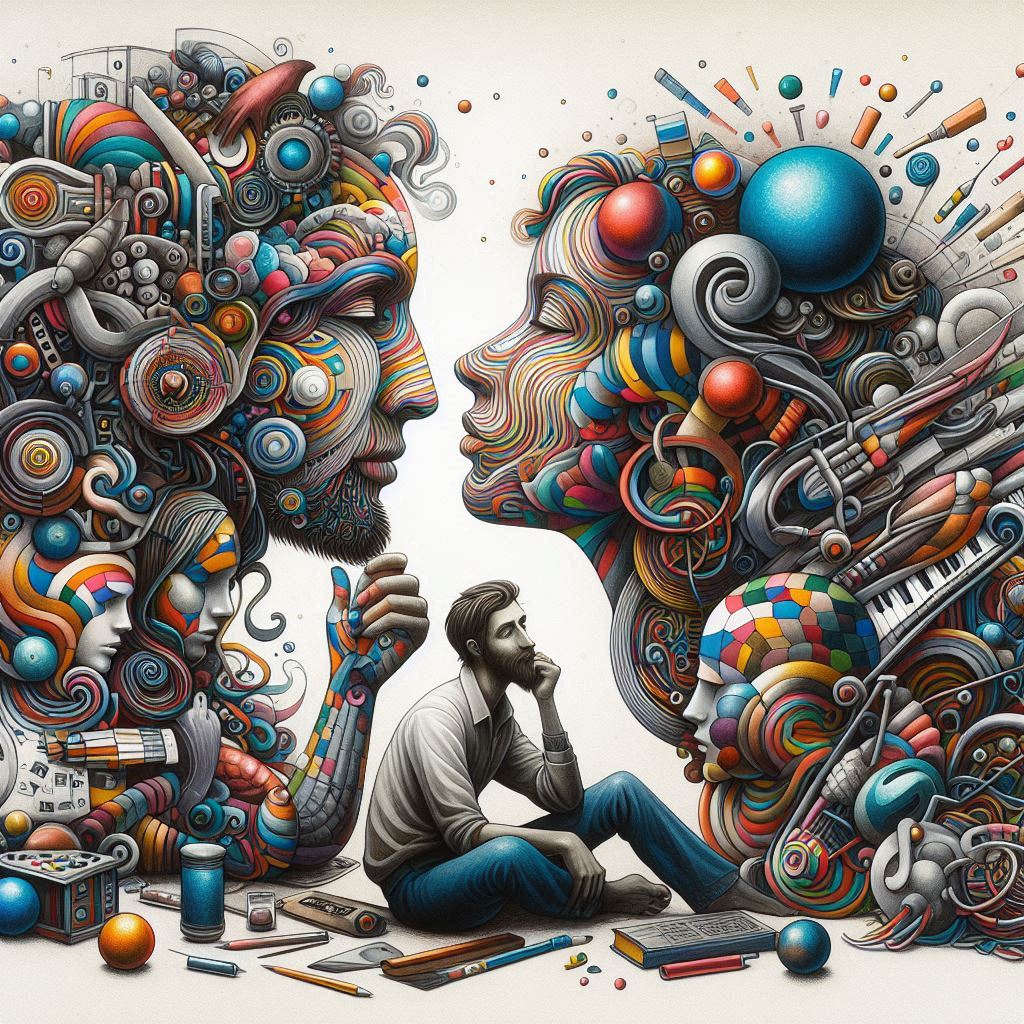
In this episode of Integrating Presence recorded Oct 16, 2024 [and AI assisted description] writer and creative Luka Boenisch and I explore the nature of the self, free will, and consciousness. Through a wide-ranging conversation, we chat self-inquiry, the illusion of the self, and the philosophical challenges surrounding free will and predeterminism.

Luka shares his insights on how to engage with the world authentically, questioning the concepts that shape our beliefs and actions. He delves into the nature of creativity, explaining how it flows naturally when we tap into our true selves, and how spiritual practices can uncover deeper layers of understanding.

Topics include:

  • Free Will vs. Predeterminism: Is free will an illusion? Luka suggests that while the self may appear to have free will, the essence of who we are transcends this duality.
  • Consciousness and Awareness: What is the difference between attention and mindfulness? Luka provides his take on how awareness plays a crucial role in living an authentic and present life.
  • Creativity and Expression: How creativity can lead to deeper fulfillment and emotional release. Luka explains the importance of letting go of the need for external validation and embracing the creative process for its own sake.
  • Relationships and Solitude: The duo discusses the importance of solitude, reflection, and how relationships can be mirrors for personal growth.

Key Quotes:

  • “The self is not something to be found—it’s something to be experienced in the present moment.”
  • “Creativity is not about creating for others, but about exploring who you are and expressing that through whatever medium calls to you.”
  • “If you focus too much on prescriptions and methods, you lose the chance to find your own way.”

Topics Covered:

  1. Introduction to Luka Boenisch and his background in writing and philosophy.
  2. Free Will vs. Predeterminism: How Luka reconciles these philosophical ideas.
  3. Self-Inquiry and the Illusion of Self: Insights into the practice of questioning the nature of identity.
  4. Creativity and Spirituality: The relationship between art, expression, and spiritual growth.
  5. The Role of Solitude and Relationships: Finding balance between being alone and engaging with others.
  6. Spiritual Practices and Personal Growth: Practical tips for self-reflection and embracing personal growth.

Resources Mentioned:

Closing Thoughts:

Luka leaves listeners with a powerful reminder that life is a journey of discovery, and that creativity and presence are tools that help us unlock our true potential.


Audio: Relationships, Creativity, And The Search For Meaning With Luka Boenisch

Or listen via Insight Timer (app or website)


The raw unedited YouTube transcription of this podcast:

holness welcome this is Josh integrating presence today Luca bernish is with me

Luca what’s up hey hey Josh what’s up thank you for having me oh it’s my pleasure man um this is a um chance

encounter I had I was looking for do domain names and I just happened to type in um Luca’s domain name let’s just say

that and uh without doing any kind of promotion right off the bat here and I

was kind of uh uh surprised you know in the old text it says there’s like four

things you should never neglect and I forget what the fourth one is but one’s a small fire because it can grow into a

huge fire another one’s a small snake because it can be very poisonous and the third is a young Sage so I I honestly

look at Luca as kind of a young Sage but you know I’ve I’ve um I’ve studied um

Buddhism and practiced Buddhism but I don’t call myself a Buddhist it’s just it’s it’s just like

what is this and what’s the best way to go about it you know what the hell is this what is what is reality what you

know and so I’ll just ask my standard question here you know at the top you

know who’s Luca and what kind of work does he do and I I like this because I I told him before the show I want to jump

right in kind of the straight the deep end here you know starting with

self yeah yeah I mean hey who’s Luca I guess I could say yeah Luka I like

writing painting reading traveling being out of nature but um yeah what itself

I I guess I guess the real answer to this is that if you

think there is a self who you think you are is is some entity or something

specific then I would always inv you to look for that right try to find it try to pinpoint it try to try to see it or

find it in every experience where you assume it’s there so to

speak yeah discover something I love this called inquiry because no one can

tell us the answer to this right we have to see and know it we have to discover this we have to do the exploration for

ourselves and and wisdom you know that we have to I don’t know Garner the

wisdom for ourselves and uh yeah it’s great you

know I yeah so pretty much said it all without saying too much so let’s just start

though with some kind of standard stuff if you want like how did you get into all this you know tell tell people like

what you write about and I know it’s it’s um it’s it’s something you just

need to go and read his read his work really to to really know because you cover so many things and what I like

about it is it’s like down to earth you know in a way that mean that’s a kind of a cliche saying but it’s like really

plain uh everyday life but the kind of the wisdom embedded in everyday life you

know like I wouldn’t call it self-help either because that’s so cliche too but it’s

like how do we go about this you know where where are we tripping ourselves up

and I don’t know it the words kind of fail me here which is which is

interesting um yeah me too man but but yeah the the

the the writing is is great and so we you you’ve talked about things from some

self right I even reached out to you about this notion of solipsism and um and um you

know but one of the things I do want to I think I pretty much align on

everything you’re saying from the the the nature of life you know and suffering and things like this you’re

you’re fairly well versed in philosophical backgrounds and various

spiritual traditions and things from what I gather and the one thing though that kind of sent me for a loop and I I

would love if you would just talk about this a little bit is it seems like you’re into predeterminism though so you

know is is that is that right or how would you put that I would well I wouldn’t say I’m into pred determinism I

would say that I’m definitely not denying free will I just don’t think Free Will is something that we have I

think it’s something that we are it is an Essence right so the thing that is

predetermined is what appears to be right like the you you think you are is

uh doesn’t have free will because it’s actually unfair to have it right but when we but we can also we can’t or at

least I don’t feel like we need to dismiss free will completely otherwise would just go to the other end of the spectrum like say

predeterminism as the opposite to Free Will is true which you know is is a fallacy um so yeah I would say it’s like

it’s Nether and so to speak right yeah it’s it’s a good point because you know

what the problems like with predeterminism is it’s just like well who did first off the big one who

determines it right who who is determining it so that’s that’s a whole line of inquiry then it can get into

this notion of powerlessness in a sense like okay if everything’s predetermined

then it really doesn’t matter what choices I make because they’re all predetermined or I mean if if then then

do I even have choices and yeah I I I don’t you and then get kind of yeah it can or

yeah or it can lead to like nihilism like I don’t I don’t give a [ __ ] I can just go do whatever I want you know

there’s no incentive to do anything uh worthwhile or anything like this so um

you know but then the Free Will it’s just like well we see that in our in our daily lives too it’s just like if we did

have entirely Free Will I could say um why can’t I have the utmost level of

Consciousness all day long you know why can’t I just say I want this level of Consciousness now I want like that this

now you know Free Will why can’t I control my body you know why can’t I live for ever because I choose so yeah

there there’s problems with that too you know that’s right especially when it comes to already like most intimate

experiences you know thoughts or feelings like if you truly have free will you should be able to stop them for

a day or two or like have them whenever you feel like it right yeah and there’s some in

incredibly Advanced yogis that can get into like neota seapa

Continue reading “Relationships, Creativity, And The Search For Meaning With Luka Boenisch”

Honor, Respect, Worthiness and Belonging | “Meditation Q & A With Wendy Nash” #27


Wendy Nash and I continue exploring meditation practices both on and off the cushion in the twenty-seventh session of the ongoing live series. While the following topics resonate to varying degrees with all of us, we focus on the more traditionally masculine themes of honor and respect as well as briefly touch on self-worth as associated with the feminine. We also planned to discuss the impulses behind craving, attachment, and clinging to the compulsion to convince others that “I’m right” but didn’t really get to that. We talk about themes of inclusion, exclusion, belonging, and the landscape of identity as well as field questions about chaos, order, war, peace, introversion, extroversion, psychedelics, silence, necessary / lesser of two “evils”, etc

Wendy writes:

I’m currently looking at self worth in terms of accepting self and other, the anatomy of the mind, the desire to persuade others that you’re right and the awful sorrow that arises when you know you’ve been excluded from the group and how that connects to self worth and identity.

Wendy mentions a video at the end but will leave it to you all to look it up


*There’s naturally an ongoing open call for meditation (related) questions for the (roughly) monthly “Meditation Q & A” either by the various social media means listed; integratingpresence[at]protonmail.com or just showing to type/ask live.*


Background

Regular, current and past visitors to Integrating Presence may recall the monthly series “Ask Us Anything” I did with Denny K Miu from August 2020 until January 2022 — partially including and continuing on with Lydia Grace as co-host for awhile until March 2022.

For a few months thereafter I did various Insight Timer live events exploring potential new directions and/or a continuation of the Ask Us Anything format while weaving in other related teachings to these events.

Then, after chats with meditation coach Wendy Nash, it became clear to start a new collaboration similar to “Ask Us Anything” simply and clearly called “Meditation Q & A” especially due to the original intent of the Ask Us Anything’s being “discussions about meditation and related topics.”


The topic of enlightenment is brought up. Here’s a take on stages of it:


Past chats with Wendy:


Audio: Honor, Respect, Worthiness and Belonging | “Meditation Q & A With Wendy Nash” #27

Or listen via Insight Timer (app or website)


Continue reading “Honor, Respect, Worthiness and Belonging | “Meditation Q & A With Wendy Nash” #27”

Guesting On The Zen Commuter Podcast (Episode #2077)

After recording an interview with Tom Walters of the Zen Commuter podcast in February 2024 the episode #2077 is finally out! Thanks so much to Tom and all the great work he does around the many worlds of meditation and beyond.

https://www.zencommuter.com/blog/2077

Here’s his show notes for it:

Today I share with you my interview with Josh Dippold. He is one of the hosts of the Integrating Presence Podcast along with Wendy Nash. Together they help us learn the benefits of a meditation practice. Which is something that Josh does on his own as well as an instructor on Insight Timer

(Wendy actually only co-hosts the roughly monthly “Meditation Q & A” (the rest is mostly me not counting past co-hosts of “Ask Us Anything” which morphed into the “Meditation Q & A.”

Also, if anything, at the time of this post, I’m only doing “instructing” online to those I haven’t met (yet) in real life so I guess that’s a type of “instructor.” Due to current life circumstances it is not easily possible to do so in real life being more of a nomad for the time being)

Tom also guested on the Integrating Presence podcast in April:


Here’s some cobbled together and edited AI summarizations our conversation on the Zen Commuter podcast:

Josh Dippold appeared as a guest on the Zen Commuter Podcast, where he discussed his meditation journey, which began in 2012 during a low point in his life. Through a committed daily practice, he experienced profound personal transformation, including heart openings, mystical experiences, and deep psychological healing.

During the conversation, Josh shared insights about the challenges of maintaining a consistent meditation practice, the societal push toward busyness which often conflicts with the stillness that meditation cultivates, and the value of radical acceptance. He also explored the masculine approach to care and examining comfort zones to bring inner peace to life’s adversities.

Josh emphasized the importance of seeing reality as it truly is, practicing compassion, and staying connected with one’s core values. He also discussed his ongoing work with Integrating Presence and the development of his podcast, Inner Skilled.

Also delved into was how meditation shifts perception over time helping people connect to a broader sense of interconnectivity and a deeper understanding of reality beyond societal illusions.

Other guest appearances:


(Mostly) Unedited Transcript via https://restream.io/tools/transcribe-audio-to-text:

Life is so much fuller when you are calmer, wiser, and happier. If sounds good to you, sit back and enjoy another relaxing episode of Zen Commuter. Good morning, travelers, and welcome to your morning zen commute. I am your host, Tom Walters, and this is Zencommuter, your meditation podcast aimed at moving you forward peacefully, helping you live a calmer, more satisfying life. Today, I am very excited to bring to you my interview with Josh Dippold.

He, like myself, is a meditation instructor who is featured on Insight Timer. And while he does have a longer biography on Insight Timer, the last line is what is most telling about him. He values truth, wisdom, kindness, compassion, courage, empowerment, realizing awakening, and being free. That is one powerful list of 8 that I can totally get behind. You’ll hear about those things and many more in this interview.

So sit back and enjoy my interview with Josh Dippold. I begin our interview much like I do many, asking about Josh’s meditation journey, what led him to meditating, how long he’s been doing it, and where he learned. Well, I’m kinda more typical in that regard that I came through what’s called the dukkha door, and this is the term in in Buddhist terminology. Stress is probably the easiest way to do it. Suffering is a really strong term in the west, but we’ve all experienced really intense periods of really badness.

And, you know, just even on the subtler levels, unsatisfactoriness or, you know, this not okayness. And so that’s what drove me to it. And that’s more typical what I hear of meditators too. This was in, 2012. I had actually hit rock bottom in, my life at that point.

Continue reading “Guesting On The Zen Commuter Podcast (Episode #2077)”

P̶o̶d̶c̶a̶s̶t̶ D̶o̶w̶n̶ And Upcoming Monthlong Offline Retreat

Brief note mentioning just what the title says: why the podcast has been offline / not working and upcoming offline retreat time. Also, a couple episodes of the podcast are scheduled to auto-publish while I’m away/offline.

Update Nov 9: Just in time, looks like I’m able to upload again to archive.org

I initially got this from copilot image creation: ‘Whoops, looks like there was a glitch. I can’t actually pull up an image for this. But imagine a bunch of data packets being hurled  at the archive.org servers like an angry mob! All trying to overload it at once. Classic DDoS attack. 😓 ‘Then I told it to create an image for this anyway and that’s what’s above then I copy and pasted its own description verbatim with a request to generate an image and that’s the image for the blog post

Audio: Update: Podcast Down And Upcoming Monthlong Offline Retreat

Lengthening Attention Spans | “Meditation Q & A With Wendy Nash” #26


In this twenty-sixth installment of the ongoing live series with Wendy Nash inquiring into meditation practice on and off the cushion we explore attention spans drawing from our internal and external meditative and non-meditative observations to examine how attention spans seem to be quite short these days, why this may be, and what to do about it in/with meditation practice and in everyday life. Amongst the topics mentioned are the four roads to success/power, honesty, seeing what’s really present, self-kindness and belonging.


*There’s naturally an ongoing open call for meditation (related) questions for the (roughly) monthly “Meditation Q & A” either by the various social media means listed; integratingpresence[at]protonmail.com or just showing to type/ask live.*


Background

Regular, current and past visitors to Integrating Presence may recall the monthly series “Ask Us Anything” I did with Denny K Miu from August 2020 until January 2022 — partially including and continuing on with Lydia Grace as co-host for awhile until March 2022.

For a few months thereafter I did various Insight Timer live events exploring potential new directions and/or a continuation of the Ask Us Anything format while weaving in other related teachings to these events.

Then, after chats with meditation coach Wendy Nash, it became clear to start a new collaboration similar to “Ask Us Anything” simply and clearly called “Meditation Q & A” especially due to the original intent of the Ask Us Anything’s being “discussions about meditation and related topics.”


Past chats with Wendy:


Audio: Lengthening Attention Spans | “Meditation Q & A With Wendy Nash” #26

Or listen via Insight Timer (app or website)


The raw unedited YouTube transcription of this podcast:

holess welcome this is Josh integrating presence and today we’re back again for another Q&A with a lovely windy Nash

Wendy what’s going on what’s going on I’m here on gubby Gabby country in Queensland in Australia and what’s going

on my bike got stolen a couple of weeks ago so that’s been quite a journey

and uh and so what else that’s been a journey that was much

more expensive even though I had Insurance much more expensive than I expected so this been quite interesting

to discover how beneficial the Dharma is cu I look at all the good parts all the

kind things that people do rather than focus on why is my insurance company swindling me

and and why did somebody steal my bicycle in the first place so it’s been

quite good actually yeah it’s isn’t this interesting you’ve

got this group with um you know biking promoting biking more over driving and

then your car gets I mean your um your bike gets stolen you know uh hopefully

there’s no Shenanigans involved here um yeah yeah and like you said about the

dharm um excuse me while I’m bringing up something here on the screen you know it does it really does

so these inevitable challenges we face in our lives and then like what’s going to help us with these what’s what’s

really going to be a benefit I mean do we want to there’s plenty of things out there we can cope with and um you know

improve our lives but I as far as overall complete systems longest standing most effective this is what

I’ve come across especially for everyday life so today we’ve go ahead yeah no you

go oh I was just gonna do a little bit too much of a abrupt transition here to

today’s uh show which I’m calling um lening lengthening attention spans this

is the 26th um meditation Q&A we’ve done and this

is um and you of course for those of us for those oh easy for me to say those of

us for those of you and us who have um not joined before this is an ongoing

live series uh where we look into our meditation practice on and off the cushion and today we want to get into

attention spans and we’ll make draw on our internal and external meditative and non-meditative observations to examine

how attention spans seem to be quite short these days why this might be and

what to do about it in meditation practice and in everyday life so of

course I read that little description I wrote there Wendy I want to throw it over to

you attention spans what you what do you say about this stuff yeah I’m not very

good at detention spans I do notice that when I watch movies movies from a couple of decades ago gee they’re

slow you know and that’s quite interesting to see what La what

keeps what is it that dat that that makes us lose

attention so I think that’s that’s interesting I’ve been looking at in my

own practice sort of the benefits of having

a sustained day practice so even though

now I don’t have like a couple of years ago I was sitting for two hours a day it

was fantastic and now I can just about get half an hour so things change and

there are other commitments and other people in my life so I don’t have the same sense of control

and what’s really interesting though is that that I’ve by just even having the daily

practice and having done it for good number of decades now then what I see is

that I’m able to sort of widen this space so I guess

I’m talking about the benefit and and how good that is so I’ve

been thinking a little bit about low self-esteem and the sort of sense of

Sorrow when you feel excluded and the arising of identity you know how your

body hardens and when you have a lengthened attention span on meditation

you can see these you have time to allow these inquiries to

occur so yeah it’s probably jumping in at the cell end this is really helpful

not so much at the where do you begin end of the spectrum and how do you do it

Continue reading “Lengthening Attention Spans | “Meditation Q & A With Wendy Nash” #26”

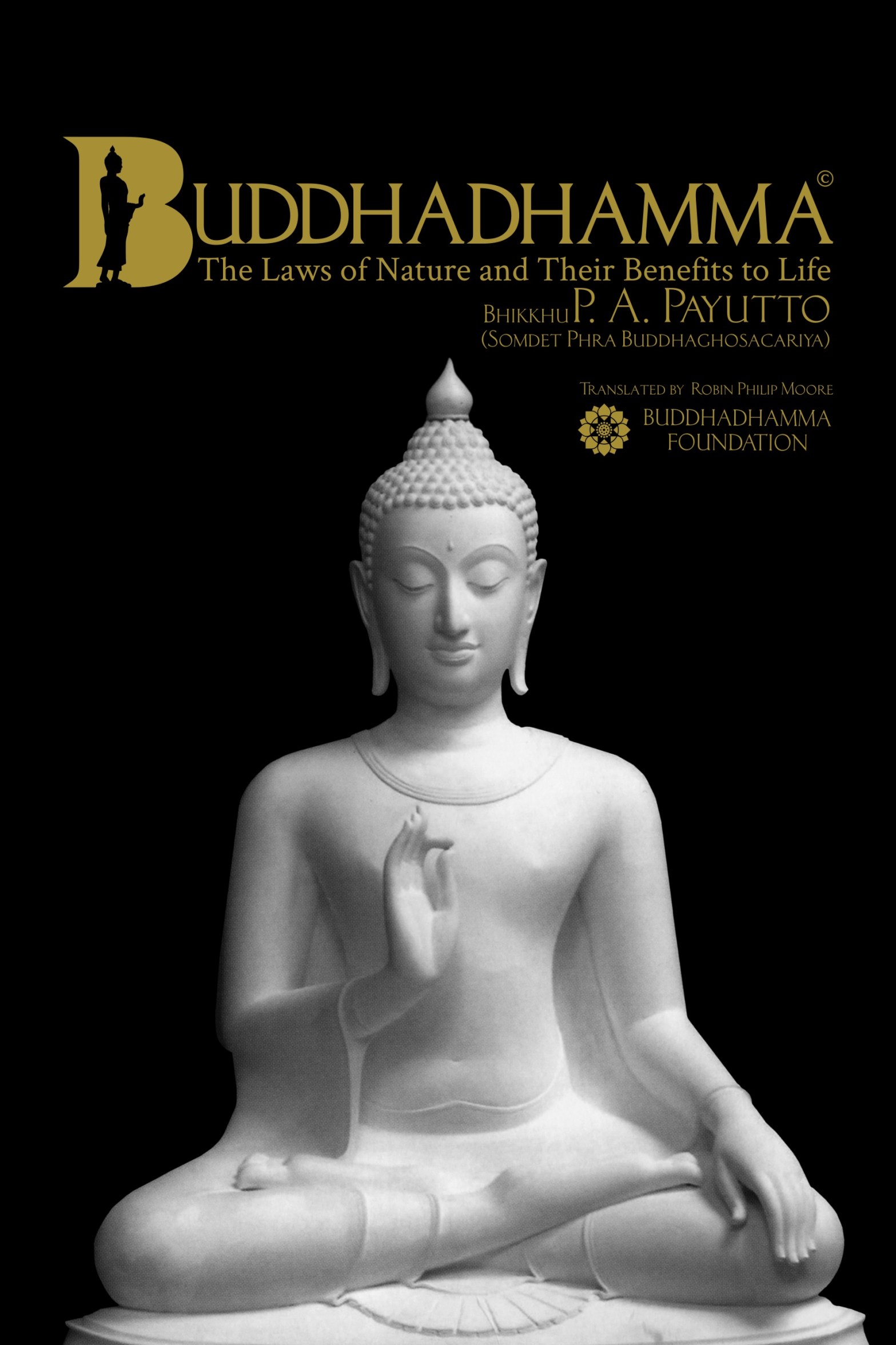
“Dependent Origination” Chapter 4 From Buddhadhamma: The Laws Of Nature And Their Benefits To Life

This is the fourth chapter “Dependent Origination” in/from the book:

Buddhadhamma: The Laws of Nature and Their Benefits to Life
by Bhikkhu P. A. Payutto (Somdet Phra Buddhaghosacariya)

Published by Buddhadhamma Foundation
Copyright © Buddhadhamma Foundation 2021
Translated by Robin Philip Moore

Editor: Bhikkhu Kovilo, typesetting: Bhikkhu Gambhīro

Download this e-book in PDF, EPUB and MOBI formats at the following address: https://buddhadhamma.github.io

This is a gift not for sale / to be sold. I just read it and claim zero copyright. Please support https://www.buddhadhammafoundation.com


Audio: “Dependent Origination” Chapter 4 From Buddhadhamma: The Laws Of Nature And Their Benefits To Life

Who Gets Wise With Practical Meditation? In Conversation With Niels Lyngsø

These are likely the first AI assisted show notes done on this site for a podcast with Danish meditation teacher/coach, author, and translator Niels Lyngsø recorded Sept 25, 2024:

Topics Discussed:

  • Who is Niels Lyngsø?: Niels introduces himself and his work as a meditation coach, sharing insights into his journey and how he approaches the concept of self.
  • Understanding Self and Not-Self (Anatta): Niels and Josh dive deep into the Buddhist notion of anatta (not-self) and discuss how most people identify with their stories, bodies, and emotions. Niels explains how he teaches this complex concept in a relatable way, emphasizing that there is no core, stable self.
  • Practical Meditation Insights: The conversation transitions into meditation practices, discussing how training attention and awareness can lead to emotional regulation and greater clarity. Niels explains how these practices work together to improve emotional insight and resilience.
  • Meditation as a Path to Wisdom: Niels describes how meditation helps train attention and awareness, which ultimately leads to wisdom. He shares insights on how wisdom is not just intellectual but practical, contextual, and connected to actions in specific situations.
  • Attention vs. Awareness: The distinction between attention (focused, narrow) and awareness (broad, holistic) is a key theme. Niels offers metaphors such as “spotlight vs. floodlight” to explain how cultivating both is essential for clarity of mind and emotional regulation.
  • Daily Life Applications of Meditation: The episode concludes with a discussion on how meditation can be integrated into everyday life. Niels emphasizes that you don’t need to be a master to benefit from meditation—it’s about starting where you are and being consistent.

Key Takeaways:

  • Self as a Construct: The idea of “self” is a fluid construct, often identified through stories, the body, or emotions, but in Buddhist practice, the goal is to recognize that there is no permanent, core self.
  • Importance of Awareness: Meditation trains awareness, allowing practitioners to become more emotionally resilient by perceiving subtle emotional impulses before they develop into stronger emotions like anger or anxiety.
  • Balance in Meditation: A balance between attention (focused) and awareness (panoramic) is crucial for clarity and insight, leading to better emotional regulation and practical wisdom.

Quotes:

  • “Wisdom arises when you let go of the self and the ego, allowing clear awareness to guide actions.” — Niels Lyngsø
  • “The self is closely connected to attention, while awareness is more selfless and holistic.” — Niels Lyngsø

Closing Thoughts:

Niels encourages listeners to take a pragmatic approach to meditation and Buddhist teachings. Whether it’s 10 minutes a day or deeper retreat work, the key is consistency and practical application in daily life.


Quotes from the google translated quotes I read from Niel’s article/essay The house is on fire. How do I find wisdom in the midst of a crisis of meaning?:

https://www.zetland.dk/historie/s8D3aQLg-a851J3YG-a7acc

Continue reading “Who Gets Wise With Practical Meditation? In Conversation With Niels Lyngsø”

Conceit | September 26, 2024 “Meditation Q & A W̶i̶t̶h̶ ̶W̶e̶n̶d̶y̶ ̶N̶a̶s̶h̶” #25


In this twenty-fifth installment of the ongoing live series with Wendy Nash inquiring into meditation practice on and off the cushion I explored conceit — superiority conceit, inferiority conceit, equality/comparison conceit, how it is related to many ills internally and externally and what to do about it in formal mediation and in the world.

A misunderstanding about start time contributed to Wendy’s absence for this Q & A. We’ve since clarified our protocol.

Since I plan to be on retreat in South Korea from at least mid-November to mid-December we don’t plan to do a Q & A in November. Plans are uncertain about December as of now. We’ve scheduled the January Q & A time though


*There’s naturally an ongoing open call for meditation (related) questions for the (roughly) monthly “Meditation Q & A” either by the various social media means listed; integratingpresence[at]protonmail.com or just showing to type/ask live.*


Background

Regular, current and past visitors to Integrating Presence may recall the monthly series “Ask Us Anything” I did with Denny K Miu from August 2020 until January 2022 — partially including and continuing on with Lydia Grace as co-host for awhile until March 2022.

For a few months thereafter I did various Insight Timer live events exploring potential new directions and/or a continuation of the Ask Us Anything format while weaving in other related teachings to these events.

Then, after chats with meditation coach Wendy Nash, it became clear to start a new collaboration similar to “Ask Us Anything” simply and clearly called “Meditation Q & A” especially due to the original intent of the Ask Us Anything’s being “discussions about meditation and related topics.”


Past chats with Wendy:


Audio: Conceit | September 26, 2024 “Meditation Q & A W̶i̶t̶h̶ ̶W̶e̶n̶d̶y̶ ̶N̶a̶s̶h̶” #25

Or listen via Insight Timer (app or website)


Continue reading “Conceit | September 26, 2024 “Meditation Q & A W̶i̶t̶h̶ ̶W̶e̶n̶d̶y̶ ̶N̶a̶s̶h̶” #25”

“Three Characteristics” Chapter 3 From Buddhadhamma: The Laws Of Nature And Their Benefits To Life

This is the third chapter “Three Characteristics” in/from the book:

Buddhadhamma: The Laws of Nature and Their Benefits to Life
by Bhikkhu P. A. Payutto (Somdet Phra Buddhaghosacariya)

Published by Buddhadhamma Foundation
Copyright © Buddhadhamma Foundation 2021
Translated by Robin Philip Moore

Editor: Bhikkhu Kovilo, typesetting: Bhikkhu Gambhīro

Download this e-book in PDF, EPUB and MOBI formats at the following address: https://buddhadhamma.github.io

This is a gift not for sale / to be sold. I just read it and claim zero copyright. Please support https://www.buddhadhammafoundation.com


Audio: “Three Characteristics” Chapter 3 From Buddhadhamma: The Laws Of Nature And Their Benefits To Life