
One reason this blog post and podcast series came about could likely be due to my meditation practice becoming stale and now provides an outlet for a somewhat more advanced level where details are dived into. If and when exploring this sutta on your own, it’s recommended to drop the intricate, sometimes tedious language I go into here to the fullest extent possible. It’s important to remember my intent here of placing plenty under a spiritual microscope to merely visit modes of deconstruction and analysis for study and (formal) practice possibilities, not as a general normalized mode of living. And while I go into minute details pertaining to this sutta please keep in mind it’s likely more helpful not to keep considering this sutta in isolation but within the broader context of the Buddha’s (other) teachings.
Category Archives: Buddhism
Multi-month Pāramitā (Perfections) Challenge For February 2022

Sangha, criticism, the two truths, service to others, emptiness, generosity, conduct, non-clinging, non-harming, energy, the three unwholesome roots, and clarity round out the main topics for February 2022, month six of “The Pāramitā Challenge”. See also Months 1-3, Month 4 and 5. Instructions are to journal contemplations resulting from observed intentions, opportunities, and actions toContinue reading “Multi-month Pāramitā (Perfections) Challenge For February 2022”
Multi-month Pāramitā (Perfections) Challenge For January 2022
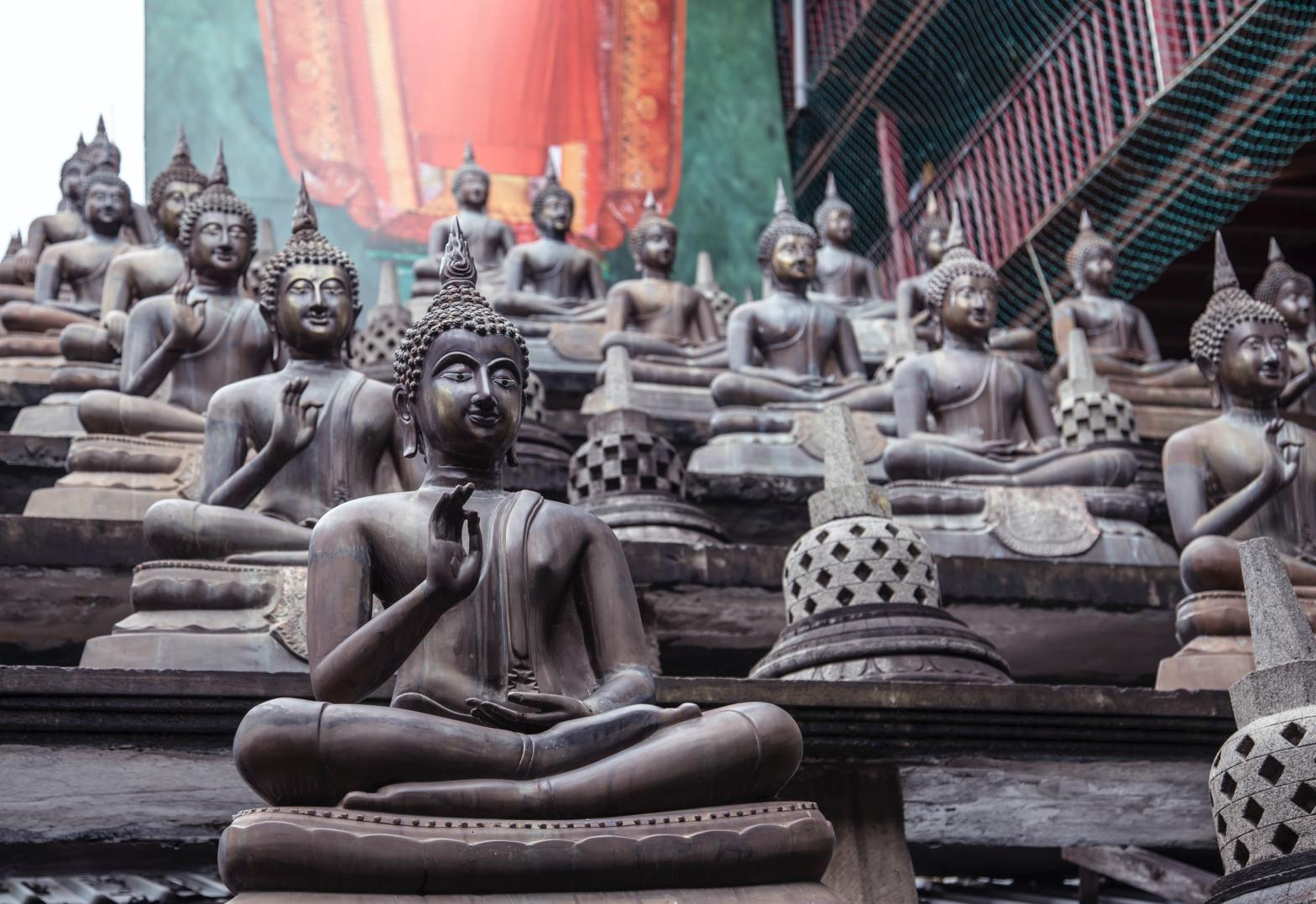
Meditation, concentration, contemplation, intoxicating substances, cravings, awakening, wisdom, and future Buddhahood round out the main topics for month five of “The Pāramitā Challenge” in January 2022. See also Months 1-3 and Month 4.
In addition to contemplating topics about the Pāramitās or Perfections, so far, this challenge also includes precepts, the (10 Abodes from the) 52 Stages of the Bodhisattva Path and Bodhisattva vows.
Instructions are to journal contemplations resulting from observed intentions, opportunities, and actions to be generous, moral and ethical while arousing faith in the Triple Gem then seeing where/when confident and where/when in doubt.
Impact (And/Over) Intent | (1/25/2022 — “Ask Us Anything – LIVE” With Denny K Miu And Lydia Grace)

For this month’s regular open-audience, open-discussion “Ask Us Anything” — continuing discussions about meditation and related topics — fellow Insight Timer teachers Lydia Grace, Denny and I explore the alignment of intent and impact. Doing full show notes seems to take (me) a lot of time and energy so I may or may not include full notes later. IContinue reading “Impact (And/Over) Intent | (1/25/2022 — “Ask Us Anything – LIVE” With Denny K Miu And Lydia Grace)”
What are thoughts? Are dreams like thoughts?

The January 11, 2022 Insight Timer live event description explaining the title questions: Let’s powwow for 30 minutes or so on these two questions from my “Distortions and Dreams” event to address any parallels between thoughts and dreams. We may even do some mindfulness of thinking meditation To save time, the short answer is IContinue reading “What are thoughts? Are dreams like thoughts?”
Multi-month Pāramitā (Attainments/Perfections) Challenge For December 2021
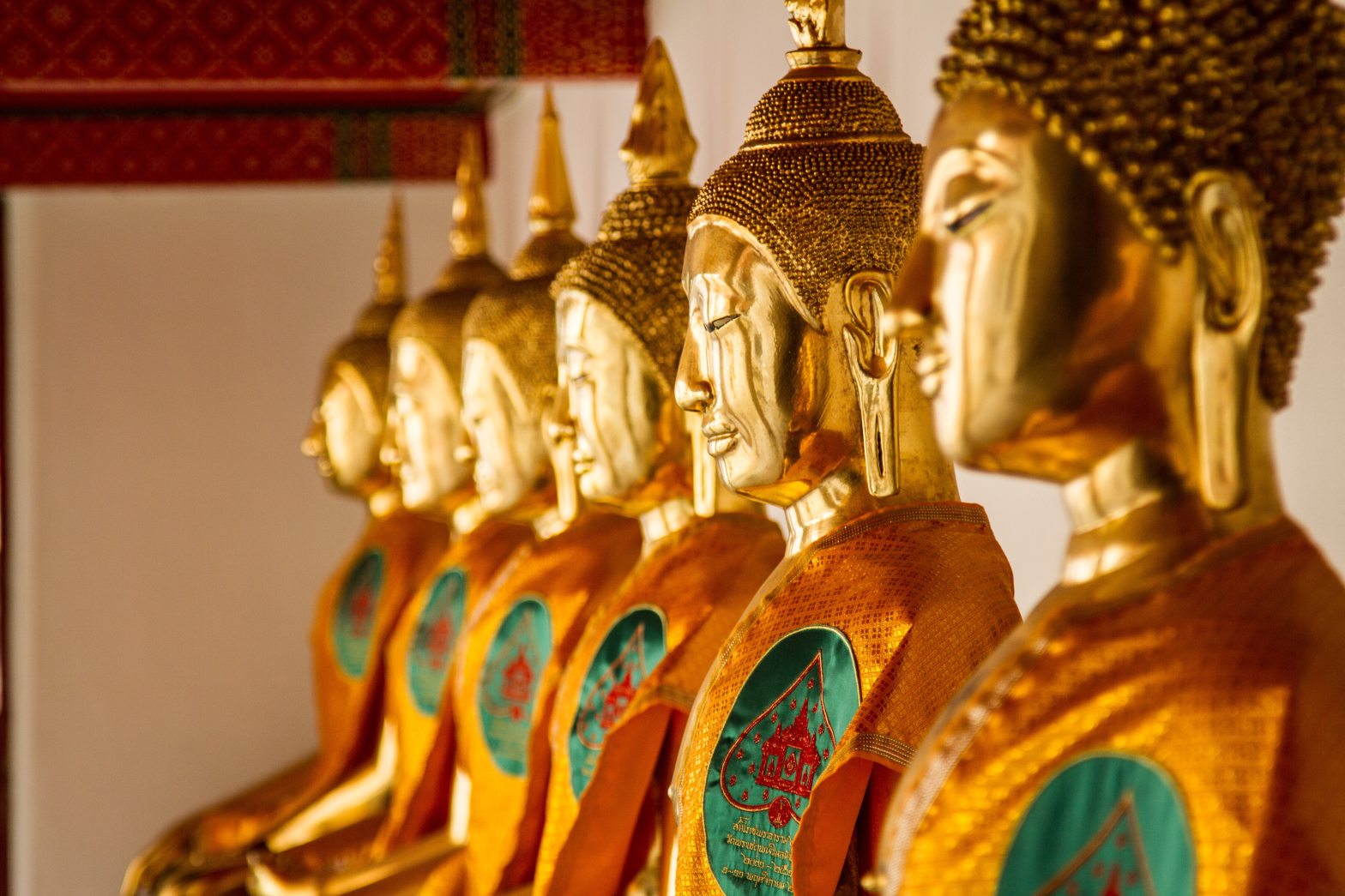
Apparently November 2021 was a break so December is month 4 of “The Pāramitā Challenge” (which I previously wrote and spoke on the first three months.)
In addition to contemplating topics about the Pāramitās or Perfections, so far, this challenge also includes precepts, the (10 Abodes from the) 52 Stages of the Bodhisattva Path and Bodhisattva vows.
Instructions are to journal contemplations resulting from observed intentions, opportunities, and actions to be generous, moral and ethical while arousing faith in the Triple Gem then seeing where/when confident and where/when in doubt.
This month includes the Pāramitā on diligence, the Right Speech precept (also doubling as a past Insight Timer live event) and the middle stages of the 10 Abodes from the 52 Stages of the Bodhisattva.
Wellbeing Is The Shape Of The Heart: Ajahn Sucitto Online Mediation Retreat

Truth is always good news; even if it is the truth about something unpleasant because then you can actually master it Luang Por Sucitto After joining the online retreat Love As The Breath Of Life by Ajahn Sucitto I joined and enjoyed the practice and already some of the fruit of this retreat Wellbeing IsContinue reading “Wellbeing Is The Shape Of The Heart: Ajahn Sucitto Online Mediation Retreat”
Distortions and Dreams

The event description for this edited audio version from a recent Insight Timer live talk Distortions and Dreams: A 15 minute side glance at making New Years resolutions by an exploratory barraging of the barriers of distortions and the ups and downs of (some) dreams. While the local church bells at 6pm are still audible,Continue reading “Distortions and Dreams”
(Knowing) Reality: In Conversation With “Beta Ray Bill” aka “Egg Drop”

Wholeness! This chat with “Beta Ray Bill” or “Egg Drop” in a noisy, but still listenable St Louis, MO area park gets into: [NOTE: After spending hours editing I realized I likely did so with a version not recorded with a good mic, but with the built-in laptop mic by error. There’s a much higherContinue reading “(Knowing) Reality: In Conversation With “Beta Ray Bill” aka “Egg Drop””
Dharma Questions: Miscellany — Part 6

For the (early) non-personal Buddhist symbol of a lotus, why is it said a blue one can’t be used? Are there any trickster(s) (archetypes) in Buddhism? Perhaps Mara or Devadatta? Why or why not? Can techniques leading to a non-dual state also provide a condition for susceptibility to unwholesome mind control especially if and whenContinue reading “Dharma Questions: Miscellany — Part 6”
 Integrating Presence