Types of callers to his call in show Adventures Into Reality from now compared to when Andrew started it in 2012
(transferring) merit
stepping on other’s journey
“Your responsibility is equal to your level of awareness and your level of awareness is equal to your responsibility”
chakra removal industry
chakra teachings
energy centers
types of energy, i.e. sexual energy
energetic hygiene
protecting sleep space
astral realms:
as being out of phase
similarities and difference to dreaming and dreamworlds
purposes and significances of north pole [ancestry] and south pole [future generations]
(perception) deception (filter)
discernment via hindsight
journaling
our understanding of physics not applying in other realities/realms
high levels of creativity to breach limitations
cell phones as unprotected psychic technologies bonding with our energy fields
empathy as the entry level psychic skill and as a habit
using empathy as radar instead of a sampler and on to intuition; precognition and postcognition [ability to (positively) edit perception deception filters)]
observer effect
(cats as first example of) unentangled observer technology and similar stealth techniques/tech
sound, light, time, no-time in language processes
Akashic records:
necessity of neutrality in accessing, reading and relating information from them
their integrity
how they can and can’t be manipulated
contrast to channeling and information stored on library Crystal Discs
suggestions on timeline work and grid work
mainstreaming of conspiracy theories
how Andrew classifies various groups, alliances, collectives, etc
messianic or non-messianic
religious or non-religious
god-based or myth based
🧵 Photo thread of Denver International Airport from yesterday. If this is not your kind of thing keep scrolling please.
Due to ongoing construction much of their infamous “terminal art” is supposedly stashed. pic.twitter.com/cA1MFFKLfB
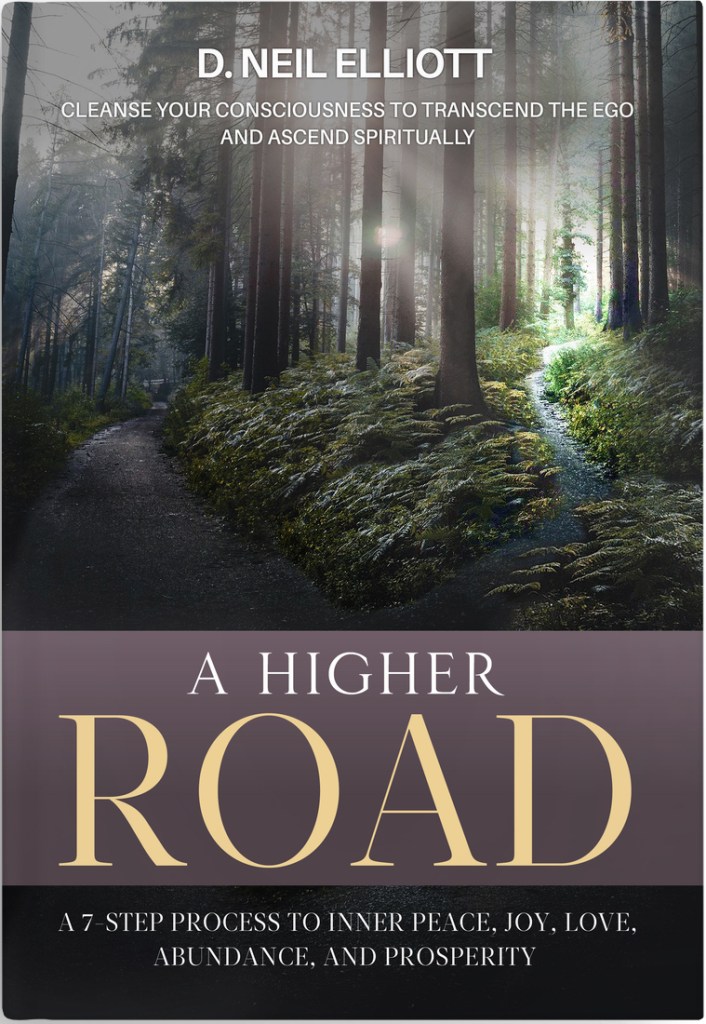
Author D. Neil Elliot and I recorded this conversation on June 7th. From Neil’s website:
To any outsider, D. Neil Elliott was highly educated, owned a profitable consulting firm, and had a successful career and an amazing wife and family. But things were not all they seemed to be … Neil was facing a lot of challenges. In a phrase, he was in a dark place. Quite by accident, he discovered a Higher Road. As he traveled that road, he found the key to transforming his life.
Over the course of the following year, Neil lifted himself to an inner state of love, peace, joy, and abundance. His perspectives on life changed entirely. His troubles and tribulations were his impetus to find the key that enabled him to revolutionize his life. He learned that the search for a better life does not entail positive thinking, saying affirmations, chanting mantras, or traveling to India to sit at the feet of a guru—or any other popularized method of “finding yourself.” …The key? To ascend in both spiritual perception and truth, you need to use the right process to break through your entrenched, human-ego barriers.
For nearly three decades, Neil read hundreds of self-help and spiritual books and took self-development courses. All of them offered hope for change and improvement, but nothing fulfilled his needs or genuinely delivered on its promises.
Neil’s desire—and his new mission in life—is to share the knowledge he gained and the process he used on his journey to self-awareness, together with the blueprint document he discovered that was instrumental in transforming his life. He wants to give you, regardless of your station in life, the tools and opportunity to empower yourself, transform your life, and draw peace, joy, love, and prosperity into your personal situation and environment. Neil believes that as more and more people follow this Higher Road to true spiritual perfection, a New Era of Love and Peace will dawn for everyone throughout the world.
We chat about:
Neil’s life to the brink of suicide and how it turned around
The divinely ordained process of how Neil received the teachings in his book “A Higher Road: Cleanse Your Consciousness to Transcend the Ego and Ascend Spiritually”
Purpose
Waking up
“Returning home”
Neil’s understanding of soul
Unconditional love
ego
individuality and personality
(connection and disconnection with/from) divinity
Brahmaviharas
My intent of having Neil on
Consciousness
electromagnetic impulses
will to move out and create
the purpose to give form to creation
(a high) frequency and vibration
Energy
Karma / Action / Consequences / Cause and effect
Life plans
bonding and rejection
duality
unity
atrocities due to letting ignorance and ego run amok
transmuting negativity
Bridging science and spirituality
Willingness to be open and learn
Our goal is to get back to where we came from while we are here on earth but in reality we have never really left it
A Higher Road: Cleanse Your Consciousness to Transcend the Ego and Ascend Spiritually reveals secrets hidden since the beginning of creation that enabled Neil to transform himself—body, mind, and soul. Now, in this book, he guides you through a process that will help you achieve the best possible outcomes for your life.
Neil’s book begins with a memoir of his early years—and shows how his life experience pushed him to the edge. He uses his life story to illustrate how, through the use of our creative consciousness tools, each of us creates our every tomorrow. He expands on concepts of personal consciousness and the mechanisms of how each of us is unknowingly impacting our individual and collective lives, creating our current turbulent and destructive global reality.
Next, the book reviews scientific works on memetics, biology, epigenetics, neuroplasticity, and neurogenesis, to emphasize how scientific discoveries and the repercussions of science’s “mind over matter” paradigms affect our daily lives. To assist us in understanding the concept of self, consciousness, and life, Neil shares a vivid description of a Near-Death Experiencer’s afterlife vision that shows clearly what happens to us when we die. Then, he moves on to share with us the revelatory blueprint document that inspired him to take a Higher Road. This manuscript held the key to his personal transformation.
Oops! For those joining the live *(Jhanic Factors And) Formless Realms Contemplation/Meditation* I unplugged the internet while moving seats only realizing this afterwards! Obviously I need more mindfulness! We’ll see if I schedule something live like this again
Here’s the description for this June 12th Insight Timer live event:
Addressing the politics and emotional charges often associated with Jhana & nimitta before talking about jhanic factors then placing this aside for a guided meditation/contemplation based on “The Shorter Discourse on Emptiness (MN 121)” involving village, wilderness, earth & the four formless states
And the notes:
Can stay with breath during talk
Disclaimers: big can of worms. Can’t rule out the possibility this could delay advancement in practicing the jhanas. Seek out master teachers who teach jhana and study and practice with them. I may have been indirectly called out for an over simplification of jhanas and am grateful for this calling out.
No clear consensus on jhana and nimmita and even the jhanic factors as I discovered when looking into them. Perhaps interesting why not taught more in the west. Wild guess that maybe lack the proper levels conducive to the type of disagreement and division for those seeking to further divide and conquer tactics.
I have heard of the controversial nature in east of gaining “psychic powers” with jhanas. . . again, not really mentioned much why jhana hasn’t been taught more in the west. So this polarity of maybe being overly revered, protected, maybe even coveted with a dismissal or absence of availability. Maybe a stretch, but I wonder if this kind of a parallels perhaps of the Buddha’s mastery of Jhana then a kind of abandoning of this as a sole, ultimate teaching/practice
Teachers claiming their method is the correct way and others not, also claims of how the Buddha taught and didn’t teach jhana. How it ought and ought not be taught
These politics and emotional charges involved in what is and isn’t jhana and nimmita seem further complicated by monastic rule of not revealing attainments and lay practitioners not really knowing how attainments are verified.
Left with: why all of the above? From base level one can see the danger of spending so much time of one’s life practicing these and then be invalidated. On the other hand, some level of concentration mastery seems necessary for right samadhi the eighth of the eight fold noble path
Jhanic factors (not the (8) meditative absorption states known as jhana):
(Vitakka)
directed contact initial application of mind applied attention/thought thinking coarse engagement
Bringing the mind to the object (arousing, applying)
(Vicara)
sustained application/attention/thought/contact more thinking/examination subtle engagement
Keeping the mind with the object (sustaining, stretching)
Bell and bowl polishing analogies
(Píti)
joy, rapture
goose pimples or pleasantness (minor joy)
flashes or sudden rushes of coolness (momentary joy)
may make one feel lighter or hop or jump (uplifting/transporting joy)
overwhelmed in wave-like, joyful feelings and sway (overwhelming/flood/showering joy)
entire body and mind system suffused to every single particle with joy and comfort (suffusing joy)
Finding, having interest in the object (joy)
(Sukha)
happiness deep bliss within or as if a very high and rapturous state
Being happy and content with the object (happiness)
(Ekaggata)
One-pointedness
Unifying the mind with the object (fixing)
Relationship to hinderances:
joy =as overcoming= restlessness
bliss = ill-will
one-pointedness = sensual desires because it stops the mind from flitting to sense objects and fixes onto the meditation object
And/or:
Vitakka/directed contact – craving for sensual pleasures
While I reference some non-Buddhist material most everything in the notes and podcasts for this series on The Iddhipāda-Vibhaṅga Sutta are solely my effort to relate considerations, questions, experiences, explorations, suggestions, interpretations and practices involved and associated with this sutta.
This series comes via seven categories/blog posts/podcasts:
In more detail, the four Iddhipāda — sometimes translated as bases of psychic power, basis of psychic power, bases of power, base of spiritual power, wings to success, paths of accomplishment, accomplishments, or roads to power — are:
vīmaṃsā: investigation; inquiry; discernment; discrimination; reason; interest; intelligent curiosity; [(perhaps a new contribution, or for chanda:) balanced and helpful enthrallment, fascination]; feedback and fine tuning, adjustment; learn from doing; circumspection
Along with aiding our even mundane accomplishments and mastery, perhaps the Iddhipāda play a significant role in approaching will — the way one decides on and initiates action — and at the core of The Iddhipāda-Vibhaṅga Sutta is an analysis of will along with instructions for its training, development, and use.
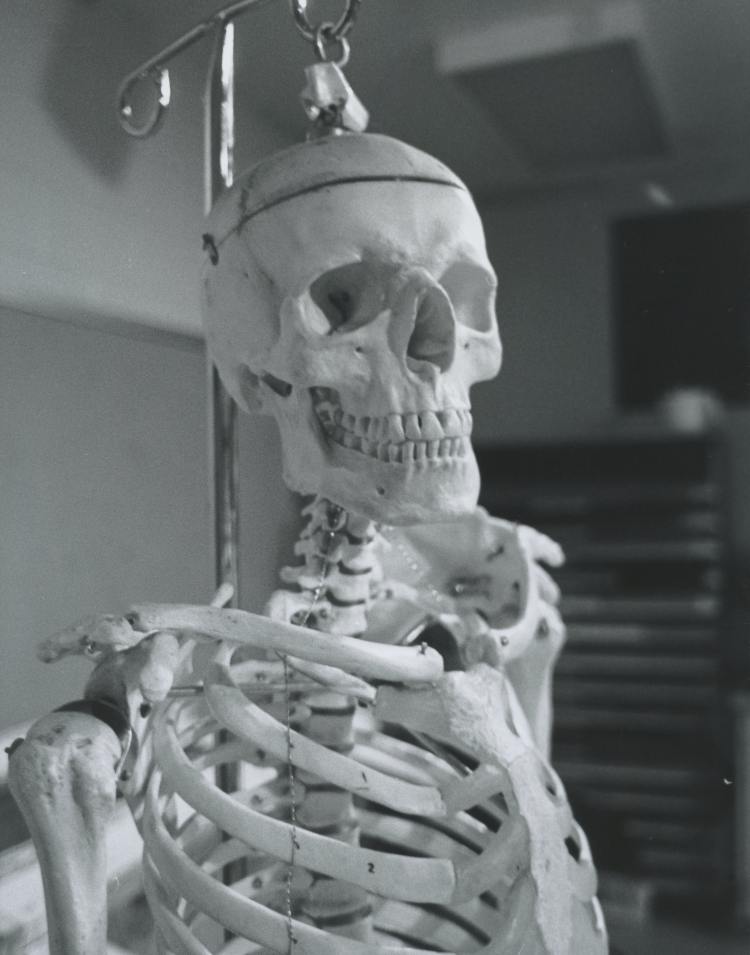
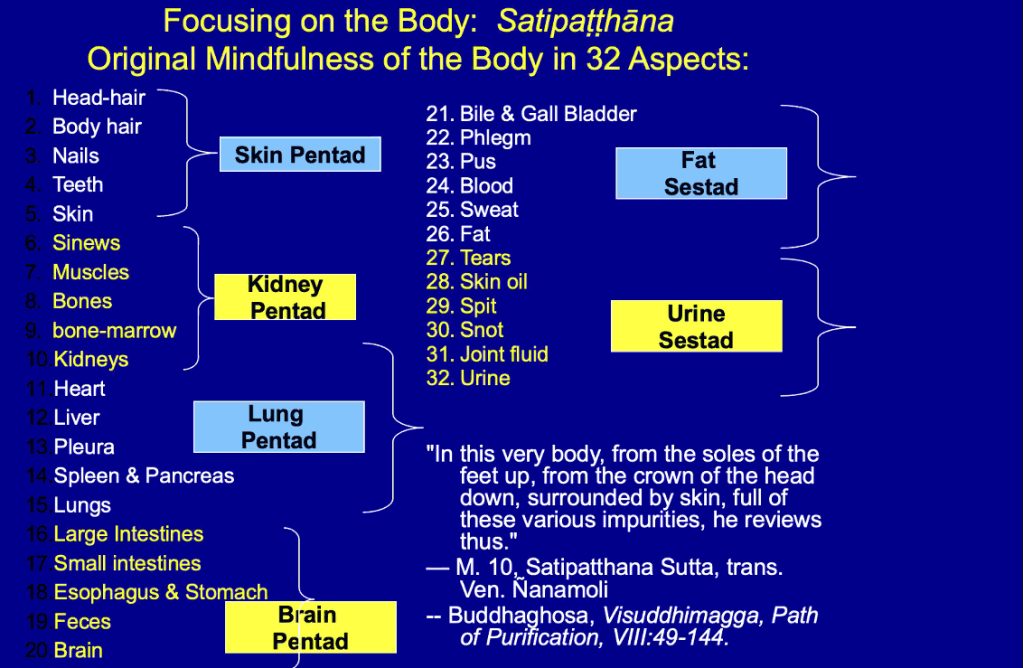
32 Parts Of The Body
Practice Warning Disclaimer: There are ‘accounts of a mass suicide by monks disgusted with their own bodies, which reportedly happened after the Buddha had praised seeing the body as bereft of beauty.’ If you’re getting a clear “no” when considering these practices please don’t do them for now. Also please look into this topic more deeply if there’s any doubt before engaging in these practices as I take zero responsibility for anyones actions (other than my own).
Part four of the series addresses the 32 parts of the body mentioned within the sutta. In the first portion I speak without notes while I reference the notes below in the other portion.
Regarding the portion:
“And how does a monk dwell so that what is below is the same as what is above, and what is above is the same as what is below? There is the case where a monk reflects on this very body, from the soles of the feet on up, from the crown of the head on down, surrounded by skin, & full of various kinds of unclean things: ‘In this body there are head hairs,…..
or translated:
“And how does a mendicant meditate as below, so above; as above, so below? It’s when a mendicant examines their own body up from the soles of the feet and down from the tips of the hairs, wrapped in skin and full of many kinds of filth. ‘In this body there is head hair, ……
Expanded version with metaphor from the Satipatthana Sutta:
4. The Reflection on the Repulsiveness of the Body
And further, monks, a monk reflects on this very body enveloped by the skin and full of manifold impurity, from the soles up, and from the top of the head-hairs down, thinking thus: “There are in this body hair of the head, hair of the body, nails, teeth, skin, flesh, sinews, bones, marrow, kidney, heart, liver, *midriff*, spleen, lungs, intestines, mesentery, gorge, feces, bile, phlegm, pus, blood, sweat, fat, tears, grease, saliva, nasal mucus, synovial fluid, urine.”
Just as if there were a double-mouthed provision bag full of various kinds of grain such as hill paddy, paddy, green gram, cow-peas, sesamum, and husked rice, and a man with sound eyes, having opened that bag, were to take stock of the contents thus: “This is hill paddy, this is paddy, this is green gram, this is cow-pea, this is sesamum, this is husked rice.” Just so, monks, a monk reflects on this very body enveloped by the skin and full of manifold impurity, from the soles up, and from the top of the head-hairs down, thinking thus: “There are in this body hair of the head, hair of the body, nails, teeth, skin, flesh, sinews, bones, marrow, kidney, heart, liver, *midriff*, spleen, lungs, intestines, mesentery, gorge, feces, bile, phlegm, pus, blood, sweat, fat, tears, grease, saliva, nasal mucus, synovial fluid, urine.”
Thus he lives contemplating the body in the body internally, or he lives contemplating the body in the body externally, or he lives contemplating the body in the body internally and externally. He lives contemplating origination factors in the body, or he lives contemplating dissolution factors in the body, or he lives contemplating origination-and-dissolution factors in the body. Or his mindfulness is established with the thought: “The body exists,” to the extent necessary just for knowledge and mindfulness, and he lives detached, and clings to nothing in the world. Thus also, monks, a monk lives contemplating the body in the body.
Is there a skillful, wholesome, wise counterpart to the provisions bag metaphor? Could going through a provisions bag be a means for identifying the aspect of nourishment too? These unclean things need care and maintaining so knowing them in order to also how to relate to them internally and external?
Also divided into 5 mostly external parts, 13 internal parts, 13 bodily substances and (then) you’re in, I mean urine . . .
why no sexual organs or sexual fluids?
joint fluid’s similarity to sexual fluids?
urine’s involvement with sex organs?
joint fluid and urine are listed last
sex organs covered/included indirectly in skin and body hair
A note that’s not directly in the audio:
Pretty sure Kilomakam is the Pali word with garnering the different translations of midriff, pleura, diaphragm, membranes, maybe even fascia
Techniques, Avenues of Approach and Considerations for Development
Head hair, body hair, nails, teeth, and skin as entry point. ([These are meditation objects for newly ordained in some of the Thai Forrest traditions] These are visible so we can notice internally and externally as reference points for parts not so noticeable externally)
If one has familiarity with Chinese medicine, meridians and five element system — Denny and I did shows on this — it may be helpful to look for comparisons of the 32 parts (order) to Chinese pairing and tripling of organs in regards to masculine/feminine and treasure organs and protector organs like liver and gall bladder
visual image vs. word labels as guiding (instructions) for practicing with the 32 parts
How are external images of body parts different from living version we can’t physically see the same way? How would one know?
technique of scanning through and around the 32 parts without naming or labeling, just seeing and knowing them
include the energy interactions with each part while each part remains the primary object of meditation (if addressing the 32 parts individually as well as variations on this) or vice versa where observing (each of the) 32 parts’s energy is the primary object and the physical components are included
technique of using whole, entire, total and complete (physical) body awareness at once for the 32 parts; each part individually; and/or other ways of approaching the 32 parts (and how would such a technique be used for samatha?)
What are the (four) elemental natures — earth, water, wind and fire — for each part and combinations of parts? Chinese relegate certain organs for certain elements. How predominate is one element in an organ? What constitutes a balance of the elements in each organ? How might this be different through various times and places?
(natural) breath to feel and discern what parts are being noticed and how. Also deliberately breathing into and out of each of the 32 parts
How is each part (inter)connected with other parts, the whole body and the external?
Can the whole body and each of the 32 parts be meditated on like the given “double-mouthed provision bag full of various kinds of grain” — like if invisible hands of awareness went through the skin sack of the body. And then on increasingly micro levels can contents within be meditated on again in like manner?
What are the causes and conditions internally and externally affecting/effecting the 32 parts? Similarly, reflect on when and how various parts are more fully and completely penetrated and noticed
death contemplations for each and/or combos of 32 parts to make them less abstract and more immediate. What would the heart look like due to certain causes of death; after certain durations of decay; and given various environments?
More esoteric but some reference beings/entities involved with/for each and/or combos of 32 parts and how bhramavihara practice may relate to this
It’s interesting to practice returning again and again to one part. Also interesting to switch between 32 parts randomly or upon distraction (and/with mental labeling of part and/or when theres’s distraction).
What is the relationship of nervous system with the 32 parts?
32 parts condensed down (for easier access) into: 1) skin level, 2) bone and joint/synovial fluid level and 3) everything else in between
Findings, Insights and Noticings
Body as convergence point:
Human experience is tethered to body
Midgard — other realms accessible here
Discarding hierarchy, perhaps, in a way, in regards to discarding the type of sameness reflected in the esoteric saying “as above so below” vis-à-vis how this sutta somatically expresses “what is below is the same as what is above, and what is above is the same as what is below” [perhaps to add more immediacy to the practice instead of the attention going off into higher and lower gods, spirits, other beings, entities, etc.]
Possession? Body as a temple
Epigenetics and DNA’s role
just like many areas of study if we inquire deeply enough into the functions of the 32 parts to where modern science’s understanding halts we then get into metaphysics, or science beyond our current public understanding; particularly what beings, forces, processes, and energies are involved at these levels, as well as the causes and conditions that come into play and how all this functions
what is going on in the unseen realms in the immediate environment that’s influencing and/or “crossing over” into the physicality of each of the 32 parts? How is this happening and why?
Could such a deep, immersive, intimate, visceral relationship with the shape and form of physical matter, its design and function — with mastery of the four great elements — then be applied to pretty much all matter (leading to the physical powers mentioned in this sutta)?
Naturally that’s speculation from me but in my experience with the 32 parts I spent extra time on the liver and noticing the (possible) benefits on gall bladder (meridian) which is said to protect liver and how blockages along gall bladder meridian seemed to unclog. Liver seemed to (energetically) detox then I noticed how much toxicity there is on many layers: gross and subtle, emotions, moods, attitudes, noises, projections, and all the dukkha or suffering/ stress/ unsatisfactoriness inherent in this current consensual reality
https://en.wikipedia.org/wiki/Patikulamanasikara — ‘Paṭikkūlamanasikāra (variant: paṭikūlamanasikāra) is a Pāli term that is generally translated as “reflections on repulsiveness”. It refers to a traditional Buddhist meditation whereby thirty-one parts of the body are contemplated in a variety of ways. In addition to developing sati (mindfulness) and samādhi (concentration), this form of meditation is considered conducive to overcoming desire and lust. Along with cemetery contemplations, this type of meditation is one of the two meditations on “the foul”/unattractiveness (Pāli: asubha).’
(3) heart, liver, membranes (around the lungs), spleen, lungs;
(4) large intestines, small intestines, stomach-contents, faeces [, brain];
(5) bile, phlegm, pus, blood, sweat, fat;
(6) tears, grease, saliva, snot, oil of the joints, urine.‟
In this meditation of parts of the body, groups (1)-(4) constitute the earth element; groups (5)-(6) constitute the water element. The same sutta describes the fire element as that by which one is warmed, ages, and burns, and that by which what is eaten, drunk, chewed and tasted gets completely digested, or whatever else that is liquid, liquefied and clung to internally and individually [belonging to oneself]; and the wind element as up-going winds [burping], down-going winds, winds in the belly [flatulence], winds that course through the limbs, in-breath and out-breath, or whatever else that is air, airy and clung to internally and individually [belonging to oneself].
Asubha Sutta — Unattractiveness:
“Monks, there are these four modes of practice. Which four? Painful practice with slow intuition, painful practice with quick intuition, pleasant practice with slow intuition, & pleasant practice with quick intuition.
“And which is painful practice with slow intuition? There is the case where a monk remains focused on unattractiveness with regard to the body, percipient of loathsomeness with regard to food, percipient of non-delight with regard to the entire world, (and) focused on inconstancy with regard to all fabrications. The perception of death is well established within him. He dwells in dependence on the five strengths of a learner — strength of conviction, strength of conscience, strength of concern, strength of persistence, & strength of discernment — but these five faculties of his — the faculty of conviction, the faculty of persistence, the faculty of mindfulness, the faculty of concentration, the faculty of discernment — appear weakly. Because of their weakness, he attains only slowly the immediacy [1] that leads to the ending of the effluents. This is called painful practice with slow intuition.
“And which is painful practice with quick intuition? There is the case where a monk remains focused on unattractiveness with regard to the body, percipient of loathsomeness with regard to food, percipient of non-delight with regard to the entire world, (and) focused on inconstancy with regard to all fabrications. The perception of death is well established within him. He dwells in dependence on these five strengths of a learner — strength of conviction, strength of conscience, strength of concern, strength of persistence, & strength of discernment — and these five faculties of his — the faculty of conviction, the faculty of persistence, the faculty of mindfulness, the faculty of concentration, the faculty of discernment — appear intensely. Because of their intensity, he attains quickly the immediacy that leads to the ending of the effluents. This is called painful practice with quick intuition.
“And which is pleasant practice with slow intuition? There is the case where a monk — quite secluded from sensuality, secluded from unskillful qualities — enters & remains in the first jhana: rapture & pleasure born of seclusion, accompanied by directed thought & evaluation. With the stilling of directed thoughts & evaluations, he enters & remains in the second jhana: rapture & pleasure born of concentration, unification of awareness free from directed thought & evaluation — internal assurance. With the fading of rapture he remains equanimous, mindful, & alert, and senses pleasure with the body. He enters & remains in the third jhana, of which the noble ones declare, ‘Equanimous & mindful, he has a pleasant abiding.’ With the abandoning of pleasure & pain — as with the earlier disappearance of joy & distress — he enters & remains in the fourth jhana: purity of equanimity & mindfulness, neither pleasure nor pain. He dwells in dependence on these five strengths of a learner — strength of conviction, strength of conscience, strength of concern, strength of persistence, & strength of discernment — but these five faculties of his — the faculty of conviction, the faculty of persistence, the faculty of mindfulness, the faculty of concentration, the faculty of discernment — appear weakly. Because of their weakness, he attains only slowly the immediacy that leads to the ending of the effluents. This is called pleasant practice with slow intuition. [2]
“And which is pleasant practice with quick intuition? There is the case where a monk — quite secluded from sensuality, secluded from unskillful qualities — enters & remains in the first jhana: rapture & pleasure born of seclusion, accompanied by directed thought & evaluation. With the stilling of directed thoughts & evaluations, he enters & remains in the second jhana: rapture & pleasure born of concentration, unification of awareness free from directed thought & evaluation — internal assurance. With the fading of rapture he remains equanimous, mindful, & alert, and senses pleasure with the body. He enters & remains in the third jhana, of which the noble ones declare, ‘Equanimous & mindful, he has a pleasant abiding.’ With the abandoning of pleasure & pain — as with the earlier disappearance of joy & distress — he enters & remains in the fourth jhana: purity of equanimity & mindfulness, neither pleasure nor pain. He dwells in dependence on these five strengths of a learner — strength of conviction, strength of conscience, strength of concern, strength of persistence, & strength of discernment — and these five faculties of his — the faculty of conviction, the faculty of persistence, the faculty of mindfulness, the faculty of concentration, the faculty of discernment — appear intensely. Because of their intensity, he attains quickly the immediacy that leads to the ending of the effluents. This is called pleasant practice with quick intuition.
According to the Commentary, this means the concentration forming the Path. This is apparently a reference to this passage in Sn 2.1:
What the excellent Awakened One extolled as pure and called the concentration of unmediated knowing: No equal to that concentration can be found. This, too, is an exquisite treasure in the Dhamma. By this truth may there be well-being. 2.
Because the description of pleasant practice here contains the standard jhana formula, while the description of painful practice contains no mention of jhana, some writers have taken this as proof that there is an alternative path to awakening that does not involve the jhanas.
However, this reading ignores the description of how painful practice and pleasant practice can yield either slow or quick intuition. Intuition comes slowly when the five faculties are present in a weak form, and quickly when they are present in an intense form. Now, in both cases, the faculty of concentration — which is defined with the standard formula for the jhanas (SN 48.10) — has to be present for the ending of the effluents. Because this is true both for painful practice and for pleasant practice, both sorts of practice need jhana in order to succeed.
Brief Ajahn Succito audio on 32 Parts of the Body:
Selection from the Dhātuvibhaṅgasutta on how the 32 Parts correspond to the elements — earth, water, fire, air and space:
And what is the earth element? The earth element may be interior or exterior. And what is the interior earth element? Anything hard, solid, and appropriated that’s internal, pertaining to an individual. This includes head hair, body hair, nails, teeth, skin, flesh, sinews, bones, bone marrow, kidneys, heart, liver, diaphragm, spleen, lungs, intestines, mesentery, undigested food, feces, or anything else hard, solid, and appropriated that’s internal, pertaining to an individual. This is called the interior earth element. The interior earth element and the exterior earth element are just the earth element. This should be truly seen with right understanding like this: ‘This is not mine, I am not this, this is not my self.’ When you truly see with right understanding, you reject the earth element, detaching the mind from the earth element.
And what is the water element? The water element may be interior or exterior. And what is the interior water element? Anything that’s water, watery, and appropriated that’s internal, pertaining to an individual. This includes bile, phlegm, pus, blood, sweat, fat, tears, grease, saliva, snot, synovial fluid, urine, or anything else that’s water, watery, and appropriated that’s internal, pertaining to an individual. This is called the interior water element. The interior water element and the exterior water element are just the water element. This should be truly seen with right understanding like this: ‘This is not mine, I am not this, this is not my self.’ When you truly see with right understanding, you reject the water element, detaching the mind from the water element.
And what is the fire element? The fire element may be interior or exterior. And what is the interior fire element? Anything that’s fire, fiery, and appropriated that’s internal, pertaining to an individual. This includes that which warms, that which ages, that which heats you up when feverish, that which properly digests food and drink, or anything else that’s fire, fiery, and appropriated that’s internal, pertaining to an individual. This is called the interior fire element. The interior fire element and the exterior fire element are just the fire element. This should be truly seen with right understanding like this: ‘This is not mine, I am not this, this is not my self.’ When you truly see with right understanding, you reject the fire element, detaching the mind from the fire element.
And what is the air element? The air element may be interior or exterior. And what is the interior air element? Anything that’s air, airy, and appropriated that’s internal, pertaining to an individual. This includes winds that go up or down, winds in the belly or the bowels, winds that flow through the limbs, in-breaths and out-breaths, or anything else that’s air, airy, and appropriated that’s internal, pertaining to an individual. This is called the interior air element. The interior air element and the exterior air element are just the air element. This should be truly seen with right understanding like this: ‘This is not mine, I am not this, this is not my self.’ When you truly see with right understanding, you reject the air element, detaching the mind from the air element.
And what is the space element? The space element may be interior or exterior. And what is the interior space element? Anything that’s space, spacious, and appropriated that’s internal, pertaining to an individual. This includes the ear canals, nostrils, and mouth; and the space for swallowing what is eaten and drunk, the space where it stays, and the space for excreting it from the nether regions. This is called the interior space element. The interior space element and the exterior space element are just the space element. This should be truly seen with right understanding like this: ‘This is not mine, I am not this, this is not my self.’ When you truly see with right understanding, you reject the space element, detaching the mind from the space element.
The description for this June 4th Insight Timer live event:
We all need discernment, but how? Let’s look at some ways to cultivate, develop, train and progress discernment. While there’s much to discernment, one key: “. . . one listening well gains discernment” ~from Āṭavaka’s Questions
What is your intent and motivation to address discernment itself? I ask again at end to see if these have changed any. I feel mine are mostly in-line with what the Buddha recommends and also in order to see and address manipulation
I read the entire Āḷavaka Sutta (SN 10:12) then focus mainly on this one question and answer from it:
How does one gain discernment? Convinced of the arhats’ Dharma for attaining unbinding,—heedful, observant—one listening well gains discernment
from the Āḷavaka Sutta (SN 10:12)
I have heard that on one occasion the Blessed One was staying near Āḷavī in the haunt of the Āḷavaka yakkha. Then the Āḷavaka yakkha went to the Blessed One and on arrival said to him: “Get out, contemplative!”
(Saying,) “All right, my friend,” the Blessed One went out.
“Come in, contemplative!”
(Saying,) “All right, my friend,” the Blessed One went in.
A second time… A third time, the Āḷavaka yakkha said to the Blessed One, “Get out, contemplative!”
(Saying,) “All right, my friend,” the Blessed One went out.
“Come in, contemplative!”
(Saying,) “All right, my friend,” the Blessed One went in.
Then a fourth time, the Āḷavaka yakkha said to the Blessed One, “Get out, contemplative!”
“I won’t go out, my friend. Do what you have to do.”
“I will ask you a question, contemplative. If you can’t answer me, I will possess your mind or rip open your heart or, grabbing you by the feet, hurl you across the Ganges.”
“My friend, I see no one in the cosmos with its devas, Māras & Brahmās, its contemplatives & brahmans, its royalty & commonfolk, who could possess my mind or rip open my heart or, grabbing me by the feet, hurl me across the Ganges. But nevertheless, ask me what you wish.”
Āḷavaka:
“What is a person’s highest wealth?
What, when well-practiced, brings bliss?
What is the highest of savors?
Living in what way is one’s life called the best?”
Living with discernment, one’s life is called best.”
Āḷavaka:
“How does one cross over the flood?
How [does one] cross over the sea?
How does one overcome suffering & stress?
How is a person purified?”
The Buddha:
“Through conviction one crosses over the flood.
Through heedfulness, the sea.
Through persistence one overcomes suffering & stress.
Through discernment a person is purified.”
Āḷavaka:
“How does one gain discernment?
How does one find wealth?
How does one attain honor?
How bind friends to oneself?
Passing from this world to the next world, how does one not grieve?”
The Buddha:
“Convinced of the arahants’ Dhamma for attaining unbinding, —heedful, observant— one listening well gains discernment. Doing what’s fitting, enduring burdens, one with initiative finds wealth. Through truth one attains honor. Giving binds friends to oneself. Endowed with these four qualities, — truth, self-control, stamina, relinquishment — a householder of conviction, on passing away, doesn’t grieve.
Now, go ask others, common brahmans & contemplatives, if anything better than truth, self-control, stamina, & relinquishment here can be found.”
Āḷavaka:
“How could I go ask
common brahmans & contemplatives?—
now that today I understand
what benefits
the next life.
It was truly for my well-being
that the Awakened One came
to stay in Āḷavī.
Today I understand
where what is given
bears great fruit.
I’ll wander from village to village,
town to town,
paying homage to the Self-awakened One
& the true rightness of the Dhamma.”
NOTE
1. This is apparently a reference to the concept of “savor” (rasa) in Indian aesthetic theory. For more on this topic, see the Introduction to Dhammapada: A Translation.
While this Sutta tailors the following three discernment teachings — amongst other things — to a demon, there is much within it to take heed of for all of us:
(non-substance based) methods for expanding and exploring consciousness
light
time in between heartbeats / heart rate variability
location of consciousness
flow state
active process learning and directed information
“curiosity is the downfall of consciousness”
time and no-time
overlay of multiverse
perception deception filters
photonic light
projecting thought constructs
superluminal observer state
micro vs macroscopic vision
entering the thymus with the vagal nerve
chemical vs light memory
fully relaxing body to best ability and entering light
sending light (and breath) one second into the future (and one second into the past)
empowering blood and marrow with light
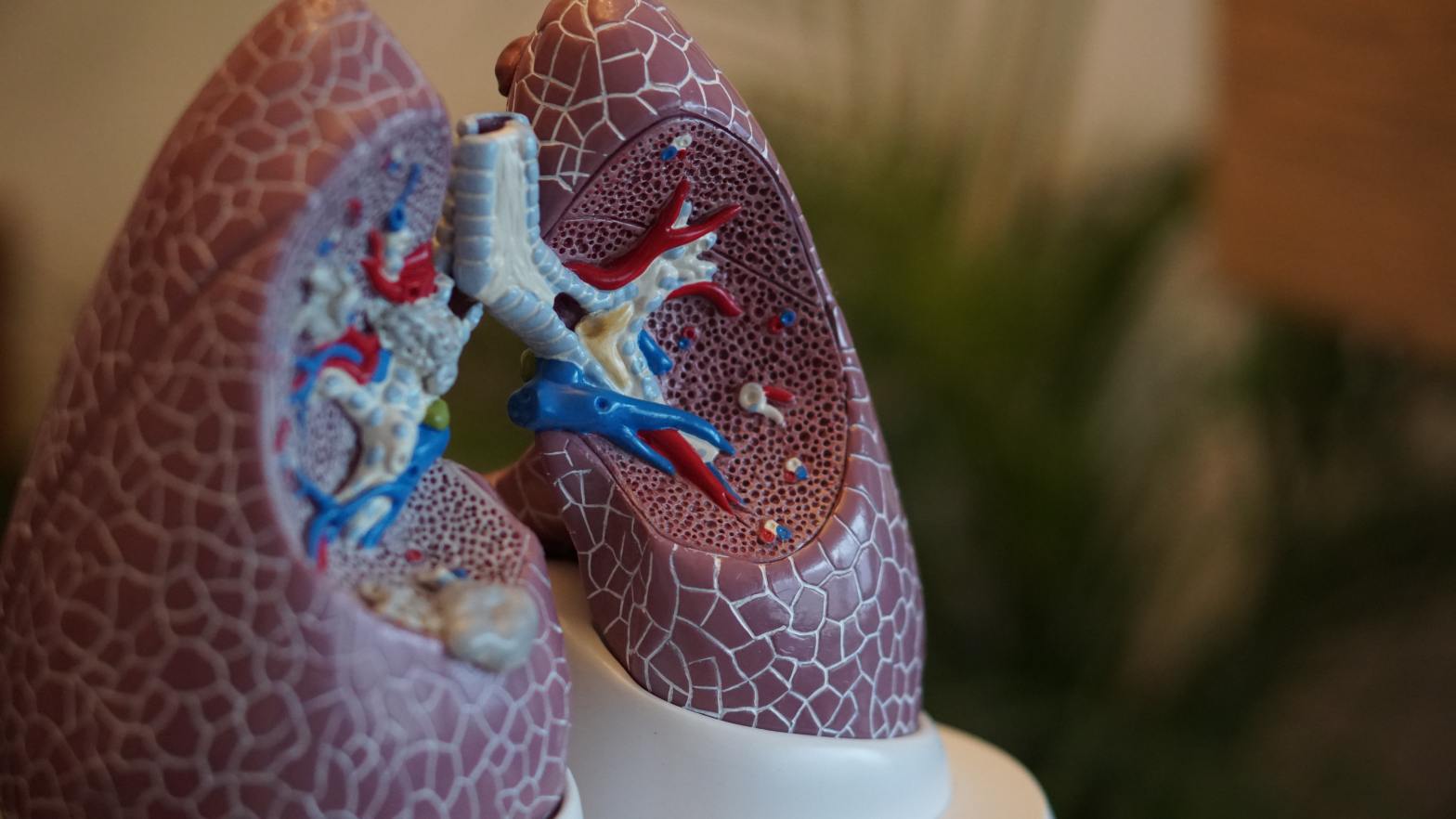
using third eye to look at and project light into lungs
creative state of spiritual practices
four elements — with body, location and practices
energy usage associated with projection practices
letting go of stories
daily journaling, chronicling our journey and hindsight
precognitive workforce
trauma
perception and perspective
8 primary colors
(fear of) unknowingness and lack of reference points
slowing down information in the moment
translating a one million letter celestial alphabet and coded light
curiosity learning and impulse control hijacking the moment
patience
old spells contained in sacred geometry buildings, monuments, etc and the outsourcing to maintain them (during transition to transhumanism) because there’s so few magicians/wizards on the surface of the earth
imprinting solidified mind constructs (into metal)
certain architectures defying fundamental laws of universe
advanced beings trying to access ancient technology beyond their comprehension by pretending to be gods
group of founding light beings (of this section of the galaxy) implementing what they’ve learned elsewhere and/or new types of consciousnesses (that may or may not use all the laws of the galaxy or universe) some of whom are on their way to becoming celestial consciousnesses
leaving behind biological creations that then later take on consciousness
individual and collective experiences
leaving dark age for the silver age by doing the work yourselves
form and formless subterranean and inner-earth beings controlling surface world which has always been a farm for consciousness
astral as transition space into hollow/inner earth (with significant lives on surface as requirement)
powerful beings living on surface attracting more beings to learn lessons here
source connection and disconnection
using contract revocations to surpass technologies that (help) prohibit past life recall
Let’s play with the puns in this title to continue exploring a format change for the monthly “Ask Us Anything”: 1) give and ask of each other advice; 2) needed changes individually & collectively; and 3) continuing the themes of speaking up & inquiring/investigating to spark curiosity & enthusiasm
Notes:
1) Giving and Asking Advice
How do you give and ask advice?
How often?
Upsides, downsides?
When to, and when not to ask for and give advice?
Giving Advice:
How honest are you when giving advice?
Do motives change depending on situation and person?
What about unsolicited advice?
Are we projecting our own wants and needs with our advice?
Would I follow the same advice I’m giving?
Intuitive advice?
How do you know it could be helpful?
What might be some overlooked key questions for the advice seeker that may help them discover the best views and choices?
Asking Advice:
Asking just for confirmation, or how possible choices available will be perceived (that you may already have chosen but not acted on yet)
Whom all do you ask?
How do you ask?
Holding back asking someone you want to?
Headstrong, stubborn and rarely seek advice? Why?
Ever flipped the script, testing someone by actually asking as something you think the advice giver needs advice on (themselves)?
2) Needed changes — individually and collectively
Core question: what really needs to change?
When hearing the word “change” what comes to mind?
What context is defaulted into to answer this question:
“I/you need to change”?
(How many relationships have been taken on as projects?)
“I want to change (but can’t) [or yes I know this change needs to be made but making it a reality is really far off]”
For me change often means: “The change I want can’t come quick enough and I don’t want the change I don’t want”
How do you know what changes you need and not just want? Will the changes (you/we need happen anyway)?
How does all this apply on more collective levels: friends, ancestry past/present/future, tribe(s), groups, collectives, organizations, humanity, beyond humanity [read questions again applied to this level]
The only reliable, constant in life is changeability.
3) Speaking up and inquiring/investigating to spark curiosity and enthusiasm
Those who aren’t speaking up, and/or who are hardly ever assertive may be put off by someone like me overdoing it, especially in the past
And/or what about those whom lack establishing, communicating, and reinforcing boundaries?
But in this past work I didn’t go much into how to formulate questions:
To get the right answers you have to ask the right questions.
For self-inquiry there’s asking a question. At first it can be vague and general then contemplate it, get an answer, refine question, get answer, continue/repeat
Peeling the Onion — what’s behind that? What’s behind that?…..
But how about motivations for speaking up and asking questions?
What are you really enthusiastic about (or remember the last time you were)? Now three things. How can this be applied to more areas? Can the most enthusiastic thing be applied equally to other two?
What all is really important to be curious and enthusiastic about?
Then there’s kind of the opposite where maybe there needs to be time for old interests to fall away, rest and then reassess
Who can you clearly ask and be curious around and not? Who all inhabits more grey areas where sometime I can?
Niece and nephew say: “can I tell you something?”
When are and when aren’t good times to ask yourself questions and be curious?
Let’s play with the puns in this title to continue exploring a format change for the monthly “Ask Us Anything”: 1) give and ask of each other advice; 2) needed changes individually & collectively; and 3) continuing the themes of speaking up & inquiring/investigating to spark curiosity & enthusiasm
Tue May 31 – 07:00 pm (not June; included here due to proximity)
Listen to the edited audio and see the notes for this event Ask For (A) Change
Cultivate, Develop, Train And Progress Discernment
We all need discernment, but how? Let’s look at some ways to cultivate, develop, train and progress discernment. While there’s much to discernment, one key: “. . . one listening well gains discernment” ~from Āṭavaka’s Questions
Addressing the politics and emotional charges often associated with Jhana & nimitta before talking about jhanic factors then placing this aside for a guided meditation/contemplation based on “The Shorter Discourse on Emptiness (MN 121)” involving village, wilderness, earth & the four formless states
A (brief) experiment where (you) the audience teach me anything you’d like. It could be from the spiritual journey, inner work, everyday life, work, play, groups, family, friends, enemies, frenemies, relationships, etc. I may fill in gaps with how to approach others for knowledge, teachings, etc.
Thu Jun 23 – 9:00 pm Central
Listen to the edited audio and see the notes for this event “You Teach Me“
Is Your Awakening Journey More The Matrix or The Truman Show?
A brief 15 minute or so more lighthearted approach to the sometimes intense and weird moments of awakening via The Truman Show and Matrix films as reference points
Let’s briefly explore these plus matrixes, nodal/access points, gates, portals, vehicles, crafts, dream-walking, teleportation, hitchhiking, ride sharing, mass transit, migration, flight, and other travel terms literally, figuratively, metaphorically & in the context of the “Ask Us Anything” format
On May 17th, healing guide Bo Bissett joined me virtually from Taiwan to talk about primarily about healing, including: Bo’s story of multiple car accidents and addiction; the importance of love in healing and how to heal. Other topics include: why more people don’t realize they’re on a healing journey; self-sabotage; subconscious programs; self-confidence vs egotism; routines and habit patterns.
On April, 25th author and confidence coach Kate Heartsong and I spoke to some of the ins, outs and hows of healing and interrelating.
Kate Heartsong is the empowering and life-enhancing author of two books, Humanity’s Cry for Change – Actions You Can Take to Create a New Earth and Deeply We Are One. She is also the “Confidence Coach”, a workshop facilitator, coauthor, public speaker and Reiki Master/Teacher.
For over 20 years, Kate has been receiving profound insights while meditating. She is passionate about supporting her clients, audiences and readers with these insights, along with the wisdom from her vast life experiences and education.
Kate also empowers people to realize that as they do their own inner work, they also contribute to creating peace worldwide. Her quote says it best: “Peace within, peace on earth.”
We also discuss:
encouragement and empowerment
acknowledging greatness
what’s most important now and/or long term individually and collectively?
healing
calmness and holding space
Kate’s massive release while grieving the loss of her mother

































 Integrating Presence