My apologies for the disjointedness while my internet connection kept dropping and dropping during the live recording
In this forty-second installment of the ongoing live series with Wendy Nash, we continue our inquiry into meditation practice both on and off the cushion intending to turn attention to our ethical foundation of the five precepts: training to refrain from harming; dishonesty/untruthfulness; taking/receiving what’s not given (thieving); sexual (energy) misconduct; and intoxicants while actually ending up more addressing earnestness, hurt, conditioning from upbringing, misunderstandings around attachment, needs in relationships and more.
In our last Q and A Wendy mentioned that “a few years ago, I was really earnest. I’ve always been a bit of a goody-two-shoes type of person. I can get pretty earnest and pretty serious about being good. Like, ‘We’ve got to be good, folks. We can’t just be out having fun — we’ve got to be good.'”
Wendy’s statement kind of raised an eyebrow for me. In this Q and A on the five precepts and ethics we unpack this comment of Wendy’s along with exploring: directly seeing and knowing the purpose and benefits of precepts; “may I” vs. “shoulds” and expectations; excuses / justifications; how belonging, self-deception, and trust / (self-)confidence factor in; exploring (unconscious) distortions around views like: “only this is what’s best (for me)” and/or “this and this needs to happen (first) and (to) be a certain way for me and things to be OK” and of course how all this relates to meditation practice
Confidence is required for the establishment of virtue. Without confidence and trust, one does not firmly resolve to act rightly.
If you cannot trust your own mind to remain upright in moral conduct, then uprightness will never be sustained. If you do not trust yourself to refrain from false speech, your speech will remain crooked. If you do not trust yourself to refrain from taking what is not given, bodily actions will continue to incline in that direction. If one does not establish firm restraint over lust, sexual misconduct will recur again and again. If you keep giving excuses to break precepts, the mind will always justify its own crookedness. If you do not trust in the benefits of the precepts, transgressions will keep recurring.
Moreover, if one continues to deceive oneself—pretending that the precepts are being maintained when they are not—then the cycle of transgression continues without interruption.
One must have confidence in one’s own ability to uphold the precepts; without that trust, their observance will never be firmly established. And if one lacks that confidence, the mind can remain crooked.
*There’s naturally an ongoing open call for meditation (related) questions for the (roughly) monthly “Meditation Q & A” either by the various social media means listed; integratingpresence[at]protonmail.com or just showing to type/ask live.*
Background
Regular, current and past visitors to Integrating Presence may recall the monthly series “Ask Us Anything” I did with Denny K Miu from August 2020 until January 2022 — partially including and continuing on with Lydia Grace as co-host for awhile until March 2022.
For a fewmonthsthereafter I did various Insight Timer live events exploring potential new directions and/or a continuation of the Ask Us Anything format while weaving in other related teachings to these events.
Then, after chats with meditation coach Wendy Nash, it became clear to start a new collaboration similar to “Ask Us Anything” simply and clearly called “Meditation Q & A” especially due to the original intent of the Ask Us Anything’s being “discussions about meditation and related topics.”
Audio: Five Ethical Precepts | “Meditation Q & A With Wendy Nash” #42
This is Josh of Integrating Presence and today I’m not yet joined by Wendy Nash. I apologize. I had the times a little bit off several times now. So, we originally changed the first time and then the second time I accidentally put a half an hour later. So, I’ll give Wendy a little bit of time. to get here.
She might have been under the impression too that it was a little bit later.
So the this one is called the five ethical precepts.
So I’ll just go ahead and read the description I have here.
In this 42nd installment on the ongoing series live series with Wendy Nash, we continue our inquiry into meditation practice both on and off the cushion. Turning attention to our ethical foundation of the five precepts. training to refrain from harming, dishonesty, untruthfulness, taking receiving what’s not given, thieving, sexual energy, misconduct, and intoxicants. In our last Q&A, Wendy mentioned that a few years ago, I was really earnest. I’ve always been a bit of a goody two shoes type of person. I can get pretty earnest and pretty serious about being good. Like, we’ve got to be good, folks. We can’t just be out having fun. We’ve got to be good.
Wendy’s statement kind of raised an eyebrow for me. In this Q&A on the five precepts and ethics, we plan to unpack this comment of Wendy’s along with exploring directly seeing and knowing the purpose and benefits of precepts. And here’s Wendy.
Hey, you’re on.
We had a time zone difference. So, I’m very sorry about that. Sorry everybody for being a little bit late.
It It’s okay. And like I I just got done saying first we’ve we changed the original time and then I made a mistake in the in the description putting it at 8:30 instead of 8 central European. So no big deal. So I was right in the middle of reading the the intro and I’ll just back up just a little bit and and won’t reread the five precepts. I’m I’m assuming most people are familiar with those, but we we can maybe get into we’ll get into each individual one.
Anyway, so I I said in our last Oh, by the way, u the the standard formalities here. Sorry. Wendy, what’s going on?
And how’s it going where you’re at today? oh, M. Reed is on the call. Woohoo. Great to see you here again.
Likewise. You’re always fantastic to have. It’s something it means so much, isn’t it? when somebody you know regularly joins us now even though we’re late we dis anything kind of well life so it’s always just such a joy to have Emily here with us what’s going on well I I spoke at a parliamentary inquiry yesterday oh wow and so as a witness you know it’s like I don’t know what you call it in maybe the US but you have some legislation and then you write a submission and then you might get called back if the committee decides to be a witness. So I was a witness and so there’s like the left wing and the right wing on the political spectrum and they’re playing tit for tat through me. It was just like oh wow this is really awful. This is very interesting from a dharma perspective.
4 minutes, 1 second How do you navigate that space? How do you remain loving and kind? And you know, I’ve started to really think about how people are really trapped in their minds and this is where we’re going wrong. It’s like, and we’re all trapped in our minds cuz I was like, whoa. And I was, you know, on my way home, I was just going talk to me about happy chickens to my friend. I just need something, please laugh on me.
And yeah, because I needed I needed to feel like human beings were around me. And I just happened to been to a very very senior politician as I walked out of the building. And I thought, I do not like this man. I know a lot of politicians, so they’re not all like that, but it’s just like and it’s hard to to not hate them or really dislike them. and to see them as human. You know, this is the 5 minutes, 1 second dilemma. This is what we’re working with. So, that’s what’s going on for me.
Josh, a bit more of an answer than perhaps you wanted.
It’s it reminds me of that old Ramdas, this the this spiritual guru who’s no longer with us before he died because of all the the president in America. He had a picture of him on his altar because there was so much hate and he said he loved everything, everybody. I mean, that was his path.
It’s a little bit we don’t have time to go into that now, but I I know what you mean with this this polit. It’s almost like some of them feed on that hatred, you know. It’s more to get attention and power. even it doesn’t matter if it’s bad, you know, just to get all those eyeballs and attention and energy on them, you know, and this will fit perfectly into to to ethical precepts too, you know. So, I I think that’s that’s great. And yes and I would just say the the political process is a little bit different in America. No parliament. And it’s interesting how you were so personally involved in this process. Usually in America it’s it’s not like that in the Congress as far as I know. But maybe for another time.
We’ll see. Well, cool. Okay. I’ll jump back into this. in our last Q&A I’m reading here again. In our last Q&A, Wendy mentioned that a few years ago I was really earnest. I’ve always been a bit of a goodie two shoes type of person. I can get pretty earnest and pretty serious about being good. Like, we’ve got to be good, folks.
Oh, he’s gone. Sorry about that, everybody. I don’t know where he’s gone.
I’m hoping he’ll come back. So, have you ever found yourself being earnest? And do you know what the word means? So, by the word earnest, I see it as that I’m I have this really strong need and desire to be good. And so, I just f because Josh is gone. I’m wondering if it’s me who’s gone. So, can anybody say something so that Emry, can you just say something? Here we are.
There we are. Okay. Was it me who went or you who went? Oh, that’s the other thing. I I don’t know. but my connection on this island has been dropping off. If if it happens again just we’ll it will come back. We just have to be patient. It just takes a few seconds to come back on. So Okay, keep going. So keep going.
In this forty-first installment of the ongoing live series with Wendy Nash, we continue our inquiry into meditation practice both on and off the cushion, turning our attention to the question of peace—especially in a time when conflict is close at hand.
Rather than focusing on politics, we explore some of what can be done practically within practice itself: how peace is cultivated and supported in formal meditation, how it carries into everyday life, and where it tends to wane or destabilize.
Areas of exploration include the conditions that give rise to and sustain peace; how it is revealed or obscured in relationship; the difference between brief glimpses and more stable baselines; the role of awareness; and perhaps a little of how some inquiries can clarify or deepen peace.
0:00 Welcome & Setting the Scene 1:18 Wendy’s Day & Small Incremental Actions 3:21 Episode Theme: Practical Peace & Ease 5:27 Joy as a Responsible Practice 8:46 Awakening Factors & Mudita (Sympathetic Joy) 12:00 Working with Hurt vs Physical Pain 17:18 Feeling Hurt in the Body – Dukkha Embodied 23:23 Distinguishing Hurt from Pain 29:06 What Does Peace Really Mean? (UN Definition & Dignity) 36:41 Baselines of Peace & Conflict Avoidance 43:59 Meditation, Unpleasant Sensations & Capacity 48:30 Real Life Example: The Vape Shop Frustration 55:28 Understanding Root Causes – Trauma & Resources 59:38 Closing Reflections & Wishes for Ease 1:01:44 Final Thoughts & Invitation
Other topics include:
Joy as a responsible practice: Wendy talks about overcoming guilt around feeling joyful amid world suffering, emphasizing that joy (including mudita/sympathetic joy) is a wholesome, nourishing quality praised in Buddhist teachings. It serves as a counterbalance to heaviness and compassion fatigue.
Working with hurt and dukkha: A major focus is distinguishing emotional hurt (the relational/heart ache felt in the body) from physical pain. Both speakers share how resistance to feeling hurt leads to contraction in the body, mental proliferation (“he said, she said”), and reactive behavior. Allowing oneself to fully feel the hurt in the body without judgment often causes it to dissipate, creating space for wiser responses.
Peace vs. mere absence of conflict: Drawing from a UN diplomat’s comment, they contrast the Western/Anglosphere view of peace (no conflict) with a broader understanding centered on dignity for all. They explore personal baselines of peace, the role of avoidance or explosive conflict in relationships, and how meditation helps build capacity to stay with unpleasant bodily sensations.
Practical application: Real-life examples are discussed, such as Wendy’s frustration with illegal parking by a vape shop that blocks the footpath, and how anger, railing, or avoidance often fail to help. They reflect on trauma as “unintegrated resources,” the addictive nature of certain coping mechanisms, and the value of restraint, direct but kind communication, and self-inquiry (“how much am I the problem?”).
Cultivating peace and ease: The conversation highlights mindfulness of bodily sensations, working with reactivity, balancing joy and compassion, the importance of community/support, and the Metta Sutta’s wish “may all beings be at ease.” Both acknowledge they are still works in progress and invite listeners to share how they cultivate peace.
*There’s naturally an ongoing open call for meditation (related) questions for the (roughly) monthly “Meditation Q & A” either by the various social media means listed; integratingpresence[at]protonmail.com or just showing to type/ask live.*
Background
Regular, current and past visitors to Integrating Presence may recall the monthly series “Ask Us Anything” I did with Denny K Miu from August 2020 until January 2022 — partially including and continuing on with Lydia Grace as co-host for awhile until March 2022.
For a fewmonthsthereafter I did various Insight Timer live events exploring potential new directions and/or a continuation of the Ask Us Anything format while weaving in other related teachings to these events.
Then, after chats with meditation coach Wendy Nash, it became clear to start a new collaboration similar to “Ask Us Anything” simply and clearly called “Meditation Q & A” especially due to the original intent of the Ask Us Anything’s being “discussions about meditation and related topics.”
Audio: Practical Ease | “Meditation Q & A With Wendy Nash” #41
Mostly unedited transcript using ai to “clean up” by removing timestamps:
. . . and today I’m joined with Wendy Nash. Wendy, what’s going on?
Well, I’m looking at your not background actual real environment. Now, you have to do a kind of a this is not AI. Just saying folks, this is actually the real McCoy. So, I I’m here. I’m here. I I’m here on my I’m just getting an echo here. Sorry about that. I got the YouTube up. So, I got the video up. Um, so I um I’m here on Gummy Gummy Country in Queensland in Kabula and my background is nothing like as exciting as yours is. That’s kind of amazing.
Now, you’re in Crete at some place where there’s a lighthouse at the back.
Yeah. And I thought and also I guess I don’t know if you can hear this in the background, but military jets. Um, I think there’s an American military base here on Crete and this is in Chania. If you see right behind me here, I’ve got the video louder. And uh, that’s a lighthouse, like an old Venetian lighthouse. That’s kind of the main fixture of the town. But Wendy, I’m going to throw it over to you and mute for a second.
Sure.
Well, Josh, I’m very excited. Apart from anything else, I’ve been having a quite a cool day. It was really inspiring. Then I just went so basically, you know, I have my transport thing. So I looked at what there’s an event called the week without driving in October that happens in the US and I’m bringing it up to here. I’ve done it a couple of times and I looked at all the amazing stuff everyone’s doing and I’m going, “Oh man, I can’t do any of that.” And I felt really down in the dumps. And then I just thought, but what can I do? Like I can’t do all that stuff. I don’t have the social media and I don’t have, you know, there is there is nobody really other than me. I mean, that’s not entirely true, but there are it’s pretty thin on the ground. And then I went, well, what can I do? And I thought, I can do this and I can do that and I can do that. And I thought, okay, that’s pretty cool. Actually, if I just got that, that would be amazing. And we had M Reed 1747 on today. Hi Josh. Hi Wendy. Welcome Emry. And hey, how’s it going?
So, you know, Wendy, that’s a really good point because um a lot of times it seems uh we can get discouraged before we do anything and we think that we can’t do anything, but usually there’s a lot of things we can do and we write it off as insignificant like, oh, that’s not good enough. But again, incremental steps, uh drop by drop, we can fill things up. I mean, yes, it could be frustrating that the progress we don’t have access to enough resources. We we know what we want, but we can’t do it. But we there’s usually something that can be possibly done. I mean said this time and time again and uh that uh support and encouragement and trust that what we do and say does make a difference, you know, especially with the intentionality behind it. So today is also our 40th one of these, you know. So let me read the description we have here. We’re going to call we’re calling this one practical 41st.
Oh, it is. Okay. My bad. You’re right. I need to change that in the description.
Oh wow. So numbers and dates aren’t my time. So I’m we’re calling this practical ease. I was wanting to call it practical peace just because of the alliteration, right? PP, but I think ease is more um relatable. So in this 41st installment of the ongoing live series with Whitney Nash, we continue our inquiry into meditation practice both on and off the cushion, turning our attention to the question of peace, especially in a time when conflict is close at hand. Rather than focusing on politics so much, we’ll explore what can be done practically within practice itself. How peace is cultivated and supported in formal meditation, how it carries into everyday life, and where it tends to wane or destabilize.
Areas of exploration here may include the conditions that give rise to and sustain peace, how it is revealed or obscured in relationship, the difference between brief glimpses and more stable baselines of peace and ease, the role of awareness, and how inquiry itself can clarify or deepen peace. So, kind of a lot of fancy words there and descriptions. Um, but the the the main thing today I think is practicality and we we’re we’re told there’s a war going on. I mean uh war sucks. I I don’t think war is ever okay really my personal opinion. Um but like how how does that what relevance does it have in our lives? And if anything, I think it draws our attention to, okay, how peaceful is my life um and those around me and how much at ease am I and how much the opposite and why is that important and what’s how does that work?
Yeah. So, I’m going to be really I’m going to speak to a bit about that. So, a few years ago, I was really really earnest. I’m a very kind of goody two shoes kind of person. By the way, M Reed says, “I can totally relate, Wendy.” I think that was the up and down thing. And uh it’s always great to have M Reed because she’s so supportive and such a lovely person. And at least I assume it’s a woman, but anyway, we’ll just It is as far as I know it is. Yes, I I know. I’m saying the f Reed’s mi Miz Reed’s first name, but I’m pretty sure I know.
Yeah. So, um, you know, I can get pretty earnest and pretty serious about being good. We’ve got to be good, folks. We can’t be like fun. We’ve got to be good. And I just I read this book called Awakening Joy. I realized I was really boring. And so, I I read this book, Awakening Joy, by Jamie Barers. I’m sure you know him. And it says something like page one or two or certainly in the first chapter, what stops you being feeling joyful right now like in daily life? And I just thought I actually feel really guilty for feeling joyful. You know, there’s so much bad stuff that people experience and war, of course, is one of those things. I mean, they it’s like awful. I have a um an acquaintance in Iran and it’s I just said I’m sending you lots of love through one of the social media or email and she said that just made my day. I was she’s so heartbroken by the situation that she just is going just that one good kind word made her day.
Can you imagine what your life is like when that happens? That’s that’s war. That’s what war does. And um and but I thought I I I thought I I felt really guilty cuz there were all these things. And then I thought when I’m when I’m down in the dumps, who do I like to hang out with? And I thought I do not like to hang out with miserable gits. I like people who are negative and naysayers and they should and I like to hang out with people who are joyful and fun and light-hearted and kids and people who just bring this lightness and love. Now, I’m not talking about the positive uh toxic positivity stuff where it’s like be happy no matter what. I’m not talking about any of that. I’m talking about being just like playful and joyful. If if the Dalai Lama and Desmond Tutu do that and they are, you know, really important spiritual leaders in our in our world. I think Desmond Tutu has died. Um, and they are really keen on joy. That’s a big big topic for them. It’s a really important practice and a very needed practice. So, I think it’s really important to bring that um into the picture. So, and I also want to talk about hurt, but before I do that, let’s hear what you have to say.
It is a it’s a really good point. And you know, joy um if we’re doing the traditional Buddhist line here, it’s one of the awakening factors. You know, it’s um it’s also one of the brahmaviharas altruistic joy or sympathetic joy or um vicarious joy. I like vicarious. So I can be happy for someone’s happiness and it help it helps counterbalance and equal out if I’m slogging through really challenging time and it’s really really hard and I have to do lots and lots of compassion and kindness to myself. It is a counterbalance to that because it that can get too kind of weighty and o you know so the joy lifts up and it’s not Yeah, that’s the thing Winnie makes such a good point. Some pe we we misinterpret as like uh overindulgent right um like I how can I be happy and joyful when all this horrible stuff is going in the world it it’s not responsible but the fact is it actually is responsible because how can we uh we have to have some uplift in our heart all the sometime because things can get really challenging in life and how do we nourish that and balance that if I’m constantly in a state I can’t meet everything with compassion. Not everything requires that. So when someone else is happy that that the the the best mind and heart state for that is to be happy for their happiness without any kind of jealous jealousness.
And it’s a practice too. So I can’t beat myself up for for not doing that when I slip into envy. Like why am I why am I not happy? I want to be happy. How come they’re happy and I’m not? That’s that’s without training. That’s kind of where my heart goes, you know? uh but but it but but it can be trained and then because it is an innate part of our our heart that that it can rejoice and be happy for others. It doesn’t have to slide into jealousy but it it takes work for some people. Some people it’s more of a natural response and yeah um so I think that’s that’s uh wants to be uh really put forth here and it can’t be stressed enough. This is actually a responsible thing for us to do is to seek out wholesome joy uh for ourselves and rejoice in the happiness of others because it is a a nourishing supportive heart quality again and I’m doing samata meditation this concentration on one object and one of the jhanic factors that arise is joy pity pity and suka pity is like this rapture uplifting kind of bubbly you know energetic uplift that’s that’s h you know that’s joyful and then suka is a more um not as it’s it’s more smooth happiness. So these are these are things that that happen when there’s um concentration practice that they they arise and they’re they’re needed for Jhana deeper states of concentration. So yes, absolutely. And the the Buddha praised these these states as well, right? And it’s the appropriateness of it as well. So I think that’s key here to joy.
So um there’s a word in English that nobody ever uses. It’s the opposite of Schadenfreude and it is confelicity. That you take joy in somebody else’s happiness. There you go. Confelicity. Why is it that in English we don’t even know our own words for being happy for somebody else? Are we such awful people? Anyway, so Emry has said, “I just had a penny drop with what you shared here.” Thank you. I’d like to work in trinities. I like to work in trinities. Shed of three and I had a part I hadn’t heard before and never saw in a context I needed to see but I just did. Yay. We love that.
We love that. Yeah, that’s very that’s that’s awesome. And yes, sometimes you get caught in only two sides, but I love you, you know, working with with three different things because it’s not always black and white, you know, square uh kinds of thinking. There’s a yeah, a try effect a lot of times. So, yeah.
So when you go ahead Yeah. So, I was going to talk about hurt cuz I’ve been meditating a lot and I think you know we take these difficult situations and we can be I mean you know I work in uh social justice transport justice basically and I’m always fighting for people who don’t have transport choice and I don’t have transport choice but I can kind of work around it but other people that makes a difference to their whether they can get to a job or a medical appointment or whatever you you know, like it has really serious implications and and so I look sometimes have to I obviously have to deal with politicians and infrastructure professionals and transport professionals and I can feel myself get really worked up and I realize that actually I feel hurt on behalf of the people who don’t have that choice and perhaps maybe my younger self. I feel hurt for that person who didn’t feel who felt very trapped and unable to have independence.
And I’ve been thinking a lot about this about dukkha actually. And there are lots of translations for dukkha, but I really like the embodied experience. So we can say the intellectual it feels unsatisfactory, but that feels a bit airy fairy up here somewhere. But I think if we bring it back down into the body and say it aches, you know, we it when we want something and we can’t get it, it aches in our body. When somebody says something that is um hurtful, what’s that is sharp and unkind or whatever or they ignore us. It hurts. It hurts in the body. So we have these like heartaches and hurts and aches and um I think that’s really where dukkha lies because it’s true that there is the physical pain. So when I go to the dentist, sorry if you’re traumatized by that, but I’m willingly putting myself into a painful situation. I get the injection, I get the cleaning, whatever. And that is unpleasant and it’s painful but I’m okay with that. So there’s no dukkha with that. So for me when I look at the what is dukkha it’s actually that there is um an experience of hurt in the body a sort of an emotional hurt and ache in the body and when I get all like they should reply to me and they should do my things and they should agree with me and all these things when I write all these letters and when I get carried away like that I go ah actually I just feel hurt or even ask myself, am I feeling hurt? No, I’m not feeling hurt. I’m like really happy and I this this is their problem. And then I go, oh no, I’m actually just hurt. But it’s really useful to sit and kind of go, ah, actually this is hurt. Because what I’ve realized is that we are resisting feeling hurt. We are resisting feeling the sort of this body ache. We are resisting feeling that and we are defending this. So when you have an ache and your body when you when your body hurts you contract. Yeah. And this gives the imp and then at the same time the mind goes once it sort of exits the body. It sort of and dulls down the body. The mind will go and then he said she said she said he said and it’s not fair and they’re an idiot and all this sort of stuff. So you have the impression that when you’re hurt or it aches that it’s all one system because then the body, you know, your tummy’s clenched, your chest is tight. Uh you can’t really feel all that and you’ve got this worrying I this and I that and them there and da da da. But it’s it’s if you just sit there and go actually I feel a hurt or an ache all that dissipates and you can start to feel it in the body. So there you go. What do you reckon Josh?
This is really timely. been dealing with this lately as well and you know the depths of this and I don’t know the the complete depths of this but my inkling my my guess is that you know there’s a low level of this inherent in all of existence you know it’s there on a low level all the time it’s just that we’re not either sensitive enough or willing enough or capable enough to really see and know the depths of this, you know, on very very subtle levels. So, but on a practical day-to-day thing, I’ve been working with this too, or maybe not working as much as I’d like because I’ve um and I’ve noticed what I’ve been seeing as a pain response. And so whenever I don’t see in mindful of what Wendy’s talking about, then I can give a pain response that I that I basically don’t want to give, you know. But that’s why mindfulness I think and uh feeling and seeing and knowing is so important because when I have the the mindfulness and the heartfulness to to see and know what Wendy’s talking about, then I have more of a choice how I’m going to how I’m going to uh view this and respond to what Wendy’s talking about because that’s what it is. And uh yeah the emotional pain it’s usually has a correspondence in the body of a effect that when he was talking tightening in the chest you know for me there is some kind of maybe psychic pain or mental pain sometimes and it’s like in the head or just kind of a scattering and um yeah that that’s that’s an effect too. So sometimes I’m not connected to my body and that’s not an option. So then there’s there’s other things I have to deal with like okay maybe it’s showing up as chaos or in my life or like a a scattered mind and you know that those can also be indications when those of us aren’t as connected to our bodies sometimes and need other indicators to see okay there’s pain here and and uh what kind of pain response is happening or not happening. Um, and the benefit for me of seeing this is then then um it helps when I can catch it, it I can help contain it. Um, and I’m far from being uh anywhere successful at this. But when I do and then I can say, okay, I have a choice. I can say something that could actually be more hurtful to myself and another or I can refrain from saying something right now and wait till the time is more appropriate to respond, you know. So yeah, I think it also for me it has to do with restraint a lot of times and and actually not restraining when I need to restrain and pull back and actually just feel the pain, you know, and say, “Oh, oh, yeah. Oh, this is this is this is dukkha. This is this is pain, you know, now.” And then that’s the first step because yes, like we were talking, everything’s going to be we’re going to have moments of pain. You don’t get out of a human existence without pain. However, what we then do about that and how we view it and respond to it is going to make the difference between adding piles and piles and piles of extra suffering on top of that pain or dealing with it in a way that that will minimize or help not do that. And it’s tricky too, I think, because sometimes it it it feels so good to be angry, right? They talk about like a honey tip and poison root of anger. Sometimes it feels so good to be justified that I’m right, but at the end of the day it’s it it’s only like momentary and then there’s consequences and fallout of that, you know, either from feeling shameful and guilty about it or actually having um another like nobody wants to be lashed out on, right? So they they some people can lash back out on me and then it just keeps compounding and compounding and compounding. But this notion that it oh it feels so good to just be right and lash out and say my choice and but I but I found that’s not really a solution long term, right? I I guess it’s it’s it’s understandable in some senses and it’s not as simple straightforward as this either because you know some some of us have been felt and this isn’t me because I had no uh shyness coming up about emotionally conflict with my family. We just mired it and we were all doing the best we could but we didn’t really have any tools or anything to know how to do anything different unfortunately. But some people they’ve been they they’ve suppressed. They think, “Oh, I need to be like Wendy was talking. I need to be the good girl. I know. I I need to be the good boy and be make sure everything is going okay and make sure everybody’s happy and I don’t want to show any kind of anger or anything because you know I’m not really allowed to or you know I or for whatever reasons, right?” And so then when they they find out, oh wow, I’ve been suppressing this and then I need to deal with this in a different way. one of the options then I guess is to come out um and just just express it you know um and now I think yeah we so I think that’s that’s enough to get to get us started here and I’ve been going on a little bit but um to bring it back to Wendy’s point feeling it in the body is so helpful because it does dissipate if I can just sit and be with it and say oh yes this is this is pain and you just feel it really deeply without really any kind of judgment and like I was taking care of a 5-year-old child in pain, you know, and how would I respond to that 5-year-old child in pain and and giving that to myself and when when um it will dissipate, right? It will dissipate and it’s okay um to feel it because because it’s there anyway, right?
So, I want to just uh question this thing about pain because I don’t think it is pain. I think it is hurt. And I want to distinguish because I I I think what the ego does is it says I I’m not not hurt. I don’t hurt. And so there’s a whole lot of different strategies that the mind will do to say I’m never hurt. And and I know that I used to say, “Oh, I don’t feel hurt.” And I know I meet other people and they say, “Oh, I don’t feel hurt.” You know, it takes a lot to hurt me. And I know that that’s not true for me anymore. I look back and I’m like, “Oh man, I was like one big hurt giant bumblebee, you know, or bubble of whatever.” And um uh so and the people who say, “Oh, it’s takes a lot to hurt me.” are the ones you want to go. They’re really likely to get really hurt really quickly.
So I think it’s really important to just really lean into terrible expression but really allow your yourself to experience hurt because it’s not pain because when you go to the dentist that’s pain but when you are in this experience when it’s relational it’s actually hurt and you can have a relationship with your body like why does this why does my cancer do this or why you know why my one of our volunteers and she’s going I get all these migraines and the migraine is separate from her and she’s hurt by the fact that these migraines are hurting her and yes it’s excruciatingly painful and it knocks her out so I’m not belittling the enormous physical pain and the debilitation and the disability that arises for people who experience a lot of migraines but um I do want to say that hurt and pain are different. That’s all.
Thank you so much. It absolutely couldn’t agree more and that’s it’s it’s a really significant um difference you know and u correction and I just look back in my own not to get too overly confessional or um you know go on go on go it’s more fun if you if you speak about your direct experience. Well, sure. It’s more helpful. Absolutely. It’s more helpful if you sort of speak in theoretical abstract terms. It’s like, you know, who cares? I don’t care if I can get that out of a book, you know. So, give me the real McCoy here. I want the real thing, Josh.
Totally. And it’s way more juicy. And I I I don’t know if the these uh fighter jets are showing up, but yeah, I totally agree. However, I do like lots of books and lots of study, too. So, but to remind uh thanks for the reminder. We’re we’re not reading a book here, right? we’re having a conversation and talking. So, it’s this isn’t a uh classroom setting as far as I know. So, but the the the hurt thing, yes, you know, I I look back in the really low points of my life and there was so much hurt that I and I didn’t have any kind of tools or know how to deal with it and the only thing that I could think of is I want someone this is horrible, you know, and I’m so glad that this is not the case anymore as far as I know or it’s very rare. Thank goodness I hope so too that I’m not being delusional in this is that I I was I felt so hurt that I just wanted someone to feel the the amount of hurt that I was going through you know like that was going to be any kind any better for me or anyone else. But there was no kind of reasoning. There was no kind of I would say hardly ethics of course around that, you know, especially not the ethics of non-harming. It was just that I’m in pain and I hurt and I want somebody else to know what I’m going through. You know what I mean? and this denial or this um this delusion that my hurt is is is unique and that no one else can really relate to it. And that makes it even worse, right? Because we know that’s not true. I mean, of course, it’s not going to be exactly the same as someone else’s hurt pain, but it’s going to be similar, you know, and this notion that my hurt is so unique that, you know, that and that I really want to cling to my special flavor of dukkha because it’s so it’s it’s mine and that’s what I know and it’s it’s kind of unique. No, not really. You know what I mean? It’s there’s nothing really special about it. Um, usually now now I don’t want to be not to be insensitive, but what I’m saying is that um, sometimes I can also cling on to my my special version of of what I’m going through, but it is a universality. We all suffer, you know, until we’re fully awakened. Oh, yeah. I know. But I mean, you know, it’s quite, you know, the whole, “Oh, woe is me. My life is terrible, which often comes with alcohol. I find it’s they they come together, you know, like you get the up and then you get the down. Oh, yeah. Yeah. Yeah. And good point. I was that that was when I used to drink, too, you know. Yeah. So, very good point.
Yeah. Yeah. So, now we’re talking about uh the our installment. How do we how do we bring peace? To me, it’s like we bring peace to it by acknowledging that we feel hurt or we have an ache, a heartache. And I also want to put in this caveat that when it something really awful happens, you know, you you hear about people and their loved one dies and people are told, you know, they have to kind of come to terms with it and go through it and stuff, but they’re sort of living in denial. And I’m just going, “Wow, you know, give it a break because it’s really awful sometimes.” And denial sometimes is the right response. It because it keeps you psychologically safe during a really tough period. It’s not healthy to live like that forever, but if that’s what gets you through a really bad phase, hey, I’m all for it.
So, just to put that in there. Um, so how do we cultivate and support peace in formal meditation? And I want to ask what peace means. Before I do that, I’m going to give you a United Nations definition. So I was listening to the radio and it was this guy talking about what does peace mean now in the United Nations the formal he was some big UN diplomat from wherever in the world and um he said in the United Nations which is basically the Anglo um sphere and European European peace means no conflict. But everywhere else in the world, what it means is that you you actually everybody lives with dignity because then you have peace. But if it just means no conflict, it means you’re not aware of things and you can silence things. Now in the moment, Emry says in the moment it is then when you see the larger point that it’s not. So I’m a little bit confused. Tell me in the moment. In the moment it is then when you see the larger point when it’s not.
So I’m very sorry. I I’m not quite sure I get it. So um I’m not wanting to be rude or anything, but I just don’t understand. So, but I I think that difference between um living with dignity and not living with conflict is a really useful thing here. That’s that’s my take.
You you’ve mentioned this before and it’s a really helpful point. Let me just let me guess on uh Emry’s comment. uh at least I don’t know what what the what the specific point is but this is something like if we’re focused maybe on too much minutia and we think something is the way it is but then we have a larger picture of it then we realize the what we’ve been kind of hyperfocused on then that’s that’s actually not the case because now we have a larger perspective and we can see that what we had before was only a tiny little piece of the puzzle and why it was probably still Um uh about being unique. Okay. So she said about being unique. So yeah, now now we get the now we get it. I mean Yeah. Yeah. Yeah. So that’s right. Okay. So before I comment on Wendy’s uh definition of peace, you talked about and I think this is a really important point to touch on again too is the denial. And so yes, you know, if we were in in a perfect world and we all had the perfect conditions, anytime we felt hurt, we could go within and do a formal practice and address it in all the that the the highest helpful ways. But the matter of the fact is we don’t always have access to that. Um, and so we have to have other uh coping mechanisms, right, and other strategies for dealing with things. And like Wendy said, actually from what I guess the psychologists say, this denial is part of the grieving process, right? It’s one of the stages. And so just because I’m in denial about something doesn’t necessarily mean that I’m completely delusional or off track or we’ll never get through it or am I doing it wrong, right? It’s just one of these stages.
And sometimes things do get too overwhelming and or hurt too much that it’s just unbearable to be with it. And so at those times there we need other helpful ways uh not just the the the ideal way to to deal with something. So I just wanted to echo and and validate it and and amplify that point of that denial is is yeah is is part of the grieving process and in a strategy as far as I know you know now like and then like you said though if we get stuck there well then that’s another thing then we have to address that maybe in a different way. But uh okay so so you said about peace and it’s really interesting I mean yeah if we frame peace as lack of conflict then it’s almost like pre uh sub assuming that that that there’s conflict or that I’m on the edge of conflict or that it could go into conflict any moment and I don’t want conflict get it away from me you know uh that’s not peaceful and then there’s maybe an avoidant tendency or a a judging about it and um maybe or denial or lack of to to confront it, to go into it, you know, to um to be like so yeah, you’re right. So, I think that definition is helpful to a certain uh degree because who who wants a lot of extra conflict internally or externally. Yes, of course, we as far as I know, unless we’re like psychopathic, we don’t really want that or thrive on that. Or if we’re a chaos maker and think that I can somehow get some power by stirring up chaos and then and then stepping in and say, “Oh, I got this. I’m going to make order out of chaos.” kind of uh silliness that uh we hear the slogan order of chaos, but if they’re deliberately stirring up chaos so they can step in and then control it and so that’s that’s something else and that’s ridiculous. Um so I’m not not necessarily talking about that. So, but dignity. So, that brings it it it takes it away from a theoretical level and it puts it on a very humanistic day-to-day heart level. I think you know dignity you know where if I’m not treating someone with dignity including myself what what’s going on you know why is that is it because I was not treated with dignity does it feel maybe I feel justified and in being indignant you know does it feel good to be indignant um you know do I feel do I feel like I can now uh feel better about myself because I can put someone else down and not des or maybe I’m just too overwhelmed and stressed and I can’t I need to show myself dignity before I can express it to another or consider it for another because I’m so stressed out now that I can’t even show myself dignity, you know. So, I think yes, um I they both go hand in hand, but I do feel that this dignity thing is that we’re all deserving of that and that’s where we’re all on equal footing is that we’re all worthy of of dignity, you know. And I’m not there all the time either. Of course, there’s times when I lack dignity for myself and others, you know, and and I appreciate being called out on it because that way I can change uh if I don’t see it, you know.
Yeah, I think there’s definitely a lot in there. So, here in your I’ve just got the um video here on my right. It says areas of exploration may include the conditions that give rise to and sustain peace. And I think we’ve just talked about that how it is revealed or obscured obscured in relationship and I think we’ve addressed that the difference between brief glimpses and more stable baselines.
Let’s go there.
Very good moderator Wendy. Yeah. So I think what we mean here is we have we all have we’ve I hope the heck that you’ve experienced peace, right? So that’s a given. And then how long? Um, so I guess if we if we reflect, where is our baseline of peace? What would we consider peaceful most of the time? If it goes a little bit away from it, then I feel like that I’ve lost peace in my life. But if I go a little bit stronger into peace, maybe really on a long retreat or you happen to be around really wise, calm, peaceful people or just the circumstances and conditions, then we kind of know the opposite end of this is, oh wow, that I’ve seen that even more peace is possible, you know.
So that’s what so that’s um so then we can kind of maybe establish our baseline if we see where we get really off track or it it gets really off track and then where it can really be solid and peaceful and so yeah so how do we I guess re reflecting on my own baseline to that you know I I honestly I I think I yeah I don’t like conflict I I and I try to avoid it actually you And it’s it’s it feels easier and nicer for me not not to do it. And so I do think I have some avoidance for conflict. And it doesn’t work too well in relationship though because we’re going to be we’re going to be uh confronted I think for the most part with with conflict whether we want it or not. So that is one of the challenges and um rewards I think of of relationship is that you can’t really avoid it. uh it’s going to come out sooner and later whether we want it to or not. I think if if I had to guess for uh a significant part of relationships, you know, I mean there’s a degrees of severity, I think. But uh yeah, so as far as baseline, I think my baseline is actually not so healthy, you know. I think I’m uh avoidant when it comes to conflict and then it ends up coming out kind of all at once because I’ve been lazy and neglectful um for something that needs to be addressed headon and in depth in more detail until it’s too late and then it can kind of turn into conflict sometimes. And in conflict I just mean like okay I can’t get out of this where we have to address it now. There’s no other option you know we can’t put this off anymore. it needs to be gone through right now.
I think it’s it’s hard, you know, when you’re in a relationship. I mean, relationships are hard, you know, and I was thinking I think the anglosphere is very um conflict averse and there’s lots of silences and withdrawal that arise rather than, you know, say in I’m going to be a bit stereotypical, but like an Italian family or in other families where it’s more robust, they have these really stronger relationships. And um so just while I think about it, M Reed has said great definition. This was I think before about conflict peace. Great definition. Thank you for sharing it. Sharing it says so much about our current times. And she’s now said we start with where we are real authentic. Look into it. Awesome chat. Love the chat. Um thank you. So, where was I before I interrupted myself?
Well, we were we were talking about conflict and I I just it doesn’t necessarily have to escalate conflict address so I you know when you when I you know in poor communities they actually get used to conflict because they’re so dependent on each other and they they have these big baries and they they get used to relationships. But in the Anglosphere, middle class and up, we we don’t like that. We just do no speakies and all that sort of stuff. And I I feel that that can be really an unhelpful way.
I’ve you know, I’ve lived in Sweden and I think the Germanic side of the Anglosphere is a bit like that. Um whereas in I’ve also lived in France and they are more robust and they family is more important and they you know let you know things. So I think I think it is an an I think the anglosphere is an anomaly in terms of conflict. And we think that when conflict must mean an argument, we think a conflict must mean that we are hurting each other. But I’ve been sort of looking at this sense of hurt and ache a lot and thinking what if we’re so not allowing ourselves to enter into the body to feel the body. You know, I realized after living in England that they kind of anything to do with the body is completely denied through their sense of humor and everything. You know, that the way they dress, the way they eat, the way they use alcohol, the way they present themselves, it’s all sort of anti-body. And I and I think as I you know I’ve got English heritage. As I think about that um and that denial of the body when you feel hurt it feels such a shock to be connected with the body. And so maybe conflict is just saying well this is a bit uncomfortable boys and girls. Let’s have this is a bit miserable. is a bit and maybe what we can do is come forward gently.
But it’s really frustrating. People park on the footpath near the vape shop. Drives me mad. Vapes are illegal here. And I see them parked on the footpath and they block it and I have to ride on the road. It’s really dangerous for me. and I’m railing at them and yelling into the shop and you know I have my days because I get really tired of it. And I think when we don’t when we don’t feel we have resources that’s when we get into this argumentative space as opposed to conflict being well you think this and I think this and let’s have a you know a lovely we chat about it.
Yeah, really good stuff, Wendy. The uh Yeah. So, the that’s that’s the thing that’s so great about meditation is that uh when we’re not in relationship and there is some kind of hurt there and some kind of what what does that boil down to? Uh in one sense, maybe it’s too ins sensitive or oversimplified. It’s unpleasantness in the body. There’s unpleasantness in the body. Now, this isn’t the full extent. There could actually be some abuse that needs to be uh dealt with, right? But when we’re dealing with it on the cushion, um this hurt, I think, can can be simplified down or in one degree to okay, what is my threshold for being with hurt, unpleasantness in the body, you know, how do I do that? What are the benefits of why should I bother doing that? What’s the point of that? how is it going to help me? And uh yeah, so this is this is what it comes down to.
And if if if I can address some of the those own questions, I would say um it’s happening anyway. It’s it’s it’s when I become aware of it that I can really have a choice of how to deal with it. But I look at my own when when I when I can deeply feel it and be with it, then it it tends to dissipate. Then I realize then I have a sensitivity. Then I have kind of a feedback of my own um my own voice and what I say and what other people say to me. There’s an increased sensitivity. So then when when I have more of a feedback that’s I think more instantaneous um more direct more sensitive then I can then I can get uh quickly oh when I say this it might have these impacts when I don’t say this when I don’t listen u when I try to be avoidant or when I be too direct when I’m not a direct enough these are kind of the the feedback and responses and it’s not like I have to think about all this in micromanagement. It it’s it’s um can be felt in real time effortlessly in the body sometimes, right? And so then there’s just comes into intuitively having a sense a wise sense of uh how to think uh speak and act that’s going to have an impact on others and myself and kind of let wisdom take the reigns on what to know and realize that I’m not going to get it right all the time. I’m going to screw up. Uh but there’s a willingness to go forward and and to and continue doing the best I can. And if I could do better, I would. And allow that to inform um how I am. And using the outcome to reflect on, okay, what kind of intentions do I need to adjust here? Um what kind of speech and action do I need to do different? What what’s what’s helpful? You know, what kind of thing is going to be helpful? um in my speech and actions with others that’s going to lead towards uh my well-being and theirs, you know, and it’s it’s an ongoing learning process in these things in in in life and and how to do it. And you know, a big support too is having friends like Wendy and someone I can talk to that’s on the same page, has the same interest, has kind of on the same path and that can keep me in check, you know, that can show me my blind spots, call me out, but not do so out of hate and spite, you know, or unhelpful. Yeah. Right. But like there’s a genuine caring and interest to to to for for well-being, you know, and that we’re we’re all figuring our way out through this and we can help each other when we can, you know, and uh teachers, too. So, so all right. So, I think I was just thinking about my vape shop and they park and they they it’s illegal. They get closed down. They’ve got their trading thing and you know, I contact the uh various um authorities and go they’ve got their little because I’m like really ped because I you know it’s unsafe and it drives me nuts. So here you are. See I’m getting really worked up about this cuz it drives me nuts cuz they shouldn’t be pugging the footpath. So, I’m going nuts. And so tell me like, you know, it’s like people who rail at the television, you know, Uncle Uncle Bob, he’s always railing at the television, you know, and so how do we like without being all avoidant and kind of fake and like theoretical when you’re really worked up like, okay, I can I actually know the police constable. So I could write to the police constable for highway high highway patrol and just email him and go right just so you know. So I should do that but I think it’s good to yell don’t yell don’t park on the foot path too cuz for me I just feel like mind you I’m also a bit nervous that one of them’s going to come after me and run me down while I’m on my bicycle. So that’s the problem with anger, you know, we think it can make us safe. And I I used to have such a foul temper. Then I started counting up how many times getting angry made me safe. And I was like, oh, not very many. And how many times does it make me feel unsafe? Well, plenty actually. So that that made me kind of keep in check. But I don’t want to be fake and I don’t want to be suppression and I don’t want to avoid and like what do you do when you’re kind of something like that where you’re physically harmed and you’re frustrated that this keeps coming up and it’s an illegal thing and you know they’re thugs. They’re all gangs run by gangs and stuff. They have no compunction about anything. Now you tell me how I deal with that, Josh.
Well, as a female, you don’t do it this way. um with as a guy this is a little bit more um likely to do. Although I don’t know if I could recommend it either. I’d have to see, you know, the extent of it, how big it is, and how many friends I have to take with me, you know. So, so to me, when it’s in a a challenging situation, if I can and it feels safe to do, uh, even though it takes it takes a lot of courage, it this doesn’t apply to Wendy. I’m sorry, but this would this is maybe how I might deal with it. Is actually just to walk up and say, “Hey, bro. What’s going on? How’s it going here?” And just I’m just two minutes. I’m just two minutes. What’s your problem? No, but see, that’s the thing. Like if um if you were on Okay, so put yourself in in their shoes and if someone was yelling and screaming, I can walk 50 meters and 100 meters down the road. It’s not impossible. This is exactly how I feel. Bam.
This this brings me to then the next point that I’ve been working with a lot lately is it’s um what we say, but also how we say it, you know. So, how receptive and you know this doesn’t really apply to to to gang members too because they they operate on a different rule set as well. So, I don’t recommend also going in there and being harmful or the tough guy either, you know, but I wonder how and not as Wendy, but if some guys out there around Wendy’s neighborhood that have had enough of it, too. Yeah.
Come on. But this is where it’s really important is is how you do it because this is actually potentially dangerous situation. But I don’t think it’s beyond going in with the right heart and the right attitude in the right way. Not being a pushover, but not being overly aggressive and and and condemning either, but just say, “Hey, what I don’t know exactly how to say it, but how you say it is going to be important. But is there I’ll just say, is there a possibility for some guys to go up there and directly talk to them and just see what’s going on? see what the options are here, you know, and I don’t I don’t I don’t know if that would be too wise because it is illegal. That’s a rubbish answer, Josh.
Could you like anonymous? These are things you go you do could you could you send an anonymous message to the police so you don’t have to give your name?
I know I know the police counsel write him an email. He He would He’s fine. He He’d be all right. last time I complained about well he would he would be all right but I don’t know about you so that’s why I’m wondering if you could just contact anonymously yeah it’d be all right I’ve contacted through through the various things but the point is you know like as I was saying there probably you know it’s about me just letting off steam apart from anything else um because I get so so frustrated by it and am I better for it no but I just it’s like I just see red you know so that Yeah. What do you do with that?
What do you do? Because it’s completely valid. It’s completely valid. It’s completely valid feeling. Of course, I’m completely right, Josh. There you go. Finally, I’ve convinced you. I’m right. Of course, I’m right. But they’re still there. You’re right. But they’re still there, right?
I know. See, then then then how does it work? Like, what do you do in that situation? Normally, I’m pretty I I’m pretty pretty chill and I’m I’m much better about that. And I do it a bit more jovially. I’m I don’t do it with like All right. You don’t park on the book path a little bit. But I do kind of, you know, do that and and sometimes, you know, I go, “Stop parking on the foot path.” They go, “Oh, sorry.” So, there have been patrons who who have done that, but it’s just, you know, it’s like they shut down the vape shop and it was fantastic. I didn’t have to worry about my safety. It was fantastic. And then it popped back up cuz they’re thugs. So, it it is Yeah. Yeah, you go go in there. Go in there and buy it and buy a vape from them and then break it right in front of their face, throw it on the ground and walk out without saying a word. What about that?
Cost me money. I’m not going to give those sons money by goodwill, young man.
Yeah.
So, you see, but but I think we get we we we get like caught in these things and it’s really hard when we’re we’re in that thing and it’s that thing that drives us mad and we’re railing at the telly and we look at those I don’t know politicians or people or whatever and we just kind of blood boils, you know. Yeah. And it’s I I think they they they pray on that actually. They deliberately show things that are going to be emotionally triggering because that’s what sells ads. You know, oh, how dare they? How could they? Can you believe this? Well, that’s what that’s they’re deliberately putting material and presenting material in a certain way that will deliberately uh invoke those responses because then I’m emotionally invested involved and that’s very powerful and alluring and charging, you know. So, that’s the thing. Yeah. But you actually have a real life situation, not something that was deliberately manufactured on a wide scale to have an emotional or trigger response, right? Yeah. So this is this is your work, right? Yeah.
Yeah. I mean, it it the thing is that it wasn’t such a problem and then it’s just when the vape shop is there and people are desperate because they’re all like exactly, you know, those stupid vapes. Um, and you know, and and they hate them. like people I know it just they hate them. I’m I meet people and they go I I they’re more addictive than even cigarettes, you know. Yeah. Yeah. Um so yeah. Um if if we look so if you know if we look at that the behavior is at least I know when I used to smoke it’s because I was nervous uh I didn’t feel good and then when I smoked cigarette I felt some sense of false basically or very conditional peace and relaxation right it felt like a release and there was a a few minutes of calm and ease until it wore off and then I had to have another like you’re saying it’s highly addictive but if we look at the root of that there there’s hurt and pain there and this is one of the ways that they’ve been suckered into dealing with that because they don’t have any other resources and that’s the other thing you mentioned about trauma the definition I heard of trauma I really like is un integrated resources so yeah I think that’s it so yeah you talked about resourcing and it’s like having resources or whatever resources we do have because I think everybody has some but they’re just not kind of integrated properly. But, you know, that doesn’t make their behavior right though. You know, that doesn’t make that it doesn’t make that Yeah. I’m not saying what they’re doing is right because they’re in pain. No, but if we’re trying to have some kind of baseline understanding, they’re in extreme pain and that’s that’s one of the ways they’re dealing with it. Now, how they’re dealing with it, not not okay. And and actually you rais a really good point because I need to just look in the mirror and know that when I was a driver and when I used to and I used to park on the foot path, what’s wrong with parking on the footpath? And I was very well, yeah, I can’t park anywhere else. Got to park on the foot path. And I was completely selfish. So yeah. So, I think I’m just arguing with myself to be honest, you know, and I think I think I’m just being adversarial because I’m not putting myself in my in my own shadow experience, you know. Maybe I’m overly practical, but I think if there was a choice for somewhere else for them to park other than the footpath, they wouldn’t park in the foot path. But the it’s the opportunity is not even there, you know. And I think maybe you’re if I’m had to venture a guess, you you might feel invalidated for the work you’re doing. You know, here I’m trying to do this and make things better for people. I’m being completely disregarded. They don’t even think, you know what I mean? Absolutely. And how I’m You see me after all this work I’ve done, I’ve devoted my life to this and they just they’re completely ignoring it. They are off my Christmas card list. Let me tell you, Josh. Okay.
So, yes, but it just goes to show, you know, you know, we kind of work workshop that in real time because I’m going actually there was one person who had this stupid big van and it was completely enormous and I couldn’t pass. And yes, there are parking spaces over there, but they don’t, you know, the footpath, the road, everything’s just car. You know, when you’re in a car, you just think, “Oh, well, it’s just everything’s there for a car.” And I used to be exactly the same. And um and actually I’ve conflated all these things together and I’m now going to write to my police officer friend and just go, “All right, by the way, they’re doing this. They’re driving me nuts.” So, I’ll do it in a more formal tone.
So, we’re coming up to the end. Josh, yes, we are. How do you feel about today’s little catchup?
I feel we I have a long way to go to be uh more peaceful and I want you all listening to this to chime in and actually say how you find peace and ease in your practice in your life because I can use the more help as well and yeah so and but I’m aiming towards it and peace is said to be the highest happiness ease is one of the things in the Metta Sutta I thought about reading the Metta Sutta again on here because it’s short but we’re we’re out of time Now, and one of the things that’s repeated in there, may all beings be at ease. And it is a great wish and and the highest happiness, you know, and it’s an ongoing uh work in process for us too, but it is also available in our hearts. So, it’s not anything super special. Uh but it it it it does take cultivating and um and and yeah, dealing with things the way we can best deal with them when we’re able to. I guess hopefully that’s not too convoluted and watered down, but I I wish everyone peace here and peace and ease in their hearts, in their lives, in their relationships, in the world at large, too. And um you think, well, maybe that’s wishy-washy, you know, hopeful uh thing that that’s not practical. But what it does is it starts uh pointing and aiming the heart in in a right direction. And it’s for me too because it conditions the heart. And so the the more I can work and condition or I don’t know about work but you know incline the heart and mind in that sense and have a genuine sense of goodness and well-being then that really does uh have an impact on the heart and then by default those I come into contact just be more likely that I won’t be such a sour sour puss um uh when I don’t have to be you know or I can see maybe I have a choice now and I’m I’m treating myself with some peace and ease so maybe that will rub off in in the relationships around me. So, and I’m the first recipient of my well-wishing and and u alignment and wanting peace. So, and I think have a bit of joy. Take yourself not so seriously and look at what how much are you the problem I think is the other one. Anyway, we’re out of time.
We’re out of time. One one more point just I learned the other day too. How much priority are we putting on something? Am I giving it too much of importance? Like Wendy said, am I taking this too seriously? You know, I’m putting too much importance on this. You know, is it really that important as well? So, yes, as Wendy says, have fun and we’ll catch you next time. Right.
Due to the size of this chapter this is part 1 of the eleventh chapter “Happiness” (spanning to the end of subchapter 11.8 “Review of Different Forms of Happiness”) from the book:
Buddhadhamma: The Laws Of Nature And Their Benefits To Life by Bhikkhu P. A. Payutto (Somdet Phra Buddhaghosacariya)
[Brief notes before the ai assisted summary that Ajahn Dhammasiha requested audio only and requested I kept my camera on so he could see me while we talked and recorded on Dec 1, 2025. I also didn’t edit out anything and there’s lots of my stammering. Apologies if any of this comes off as too much about “me and my practice” however Ajahn skillfully leverages this on multiple levels making it applicable across many demographics and often universally too.
I’m also very grateful for him for making new connections and suggestions about practice that hadn’t occurred to me before and some of them very subtle that while I don’t really seem to be able to grasp the full depth and potential of some of these now there’s a type of intuitive sense that these seeds have potential for major impact and fruit down the line when wisdom and pāramī ripen. Also, I reflexively stopped the recording too early so it ends abruptly truncating Ajahn’s closing thanks]
(Ai assist:) Ajahn Dhammasiha (from Dhammagiri Forest Hermitage, Brisbane) and I explore the Buddha’s instructions on Ānāpānasati (mindfulness of breathing) from MN 118. We emphasize that breath meditation is meant to be joyful — “breathing in having fun, breathing out having fun” — and that true joy arises from wholesome, non-sensual happiness (pīti & sukha). The discussion covers the importance of strong ethical foundations (sīla) and good kamma, the difference between worldly and spiritual happiness, how the breath is experienced as whole-body energy/prāna, the value of calming thought completely, when to supplement ānāpānasati with other practices (especially mettā), practical challenges of maintaining the breath in daily lay life, and the need to stay aware not only of the breath but also of the state of the mind itself.
Chapters:
0:00 – Introduction & weather small-talk 0:50 – Jumping into Ānāpānasati – “Breathing in having fun” 2:18 – The Buddha’s own words: training in rapture (pīti) & happiness (sukha) 3:51 – Wholesome vs unwholesome “fun”; the Bodhisatta’s past mistake 5:51 – The Bodhisatta’s journey: jhāna → austerity → middle way under the rose-apple tree 7:23 – The 16 steps of Ānāpānasati (MN 118) & why it was the Buddha’s favourite practice 9:12 – Common challenges & the absolute necessity of foundations (sīla + puñña) 13:03 – Personal stories: healing, giving up alcohol, the power of precepts 17:20 – Recalling goodness & mettā before sitting; breath as whole-body energy/prāna 20:15 – Reflection/contemplation vs silent observation in meditation 22:16 – Calming thought completely – the unique gift of ānāpānasati 26:05 – When the mind “can’t take more quiet” → switch to walking + reflection 29:07 – Training wholesome thinking first, then silencing it 32:32 – Ānāpānasati in daily life & jobs – be realistic, use transitions (e.g. mettā) 37:29 – Supplementing breath meditation with mettā, compassion, body contemplation, etc. 39:58 – Continuity of practice & retreat vs lay-life realities 43:24 – Awareness of the breath AND awareness of the state of the mind 45:58 – Closing thanks & invitation to Dhammagiri Forest Hermitage 46:33 – Monastery info, daily program, Bodhi trees in Brisbane — Related link mentioned: https://integratingpresence.com/2020/12/21/historical-trees-of-enlightenment/
Power of Bodh Gaya, Place of Buddha’s Enlightenment | Mahabodhi Temple | Vajirasana Diamond Throne | Ajahn Dhammasiha July 14, 2025 https://overcast.fm/+pBqoCSfJc
I initially found Dhammagiri through searching a Venerable Kalyano that a Dhamma friend mentioned and found a different Venerable Kalyano and was fascinated by this: How Do Relics Appear? | Ajahn Kalyano | Ascent to Stupa on Summit | Dhammagiri Stupa Consecration 02 https://www.youtube.com/watch?v=Nf_FiVkO41Q . . . (shorter audio selection version: https://overcast.fm/+pBqqcGP7Y)
Things change and I’m due back in Denmark earlier than originally planned. In this fortieth installment of the ongoing live series with Wendy Nash inquiring into meditation practice on and off the cushion we delve into the areas of worship, respect and inspiration. How can some activities like pujas (easily) get attributed to worship when they are not actually that? How can we not fall into (blind) worship? Where and how does inspiration and that which deserves respect play into this? And where does all this fit into meditation practice? (This episode was originally spurred primarily by the billboard below)
In Buddhism, and in other religions, access to and dwelling in the heart-tone of bright kamma is occasioned by devotion and recollection. In Buddhism, this is called ‘pūja’ – an act of raising up, and honouring that which is worthy of our respect. The very fact that there are human models and actions that one can feel deep respect for is itself a blessing to take note of: honouring opens and uplifts the heart. With pūja, we attend to a skilful felt meaning, linger there and allow the effects to nourish the citta. From this basis, it’s likely that inclinations or even specific ideas in line with bright kamma will arise. Either that, or the mind easily settles into a state that supports meditation. This is how and why one should linger in any bright kamma.
So in the act of honouring the Buddha, one first opens the heart in respect and brings to mind the meaning of an Awakened One: someone of deep clarity; a speaker of truths that penetrate and bring healing to the human condition; one accomplished in understanding and action – a sage whose teachings can still be tested and put into action. If one has a Buddha-image, it’s something that should be held with respect – one cleans it, illuminates it with light, and offers flowers and incense to it. We place it on an altar, bow to it and chant recollections and teachings.
This is not a mindless activity; we use ritual means and resound words and phrases because this full engagement embodies and strengthens the quality of respect in a way that thinking can’t. With the openness of heart that these attitudes bring, any aspect of the teaching that’s brought to mind goes deeper.The act of offering that begins a pūja is a case in point: offering flowers symbolizes bringing forth virtue, offering light is about bringing forth clarity, and incense does the same for meditative concentration. In this way, pūja introduces the heart to important Dhamma themes.
Pūja is especially helpful when people perform it as a group. Then we are participating in the Dhamma as both the expression and the Way of awakening, as well as in the collective commitment to, and engagement with, that Dhamma. This collective engagement ritualizes the ‘Sangha’, that is, the assembly of disciples. Chanting in a group has a harmonizing, settling effect: sonorous and unhurried, it steadies bodily and mental energies and supports an atmosphere of harmony with fellow practitioners. Tuning in and participating brings us out of ourselves and into a deep resonance with heart-impressions of the sacred. We can be touched by a sense of timeless stability, purpose and beauty. If these intentions, felt senses and recollections are established regularly, we know where to find good heart, how to attend to it, and how to allow ourselves to be uplifted. Such kamma feels bright.
The expressions that are used in recollecting Dhamma are that it is experienced directly (not just as a theory), is of timeless significance, and is accessible and furthering for those who practice it. So that gives us an encouragement to look into what the Buddha taught and modeled: the way to the end of suffering and stress. With this, we recollect aspiration, learning and commitment as our common touchstone, and suffering and ignorance as our common challenge. Then we no longer feel so alone with our difficult mind-states, and we can handle them in a more open and aware way. Recollection of Sangha reminds us that although there is greed, anger and confusion in the human world, there are also people who cultivate a way out of that.
If you use pūja on a regular basis, it aligns you to the ‘Triple Gem’ – Buddha, Dhamma and Sangha – by presenting content in terms of images, ideas and themes, and values and practices that guide the heart. It also occasions acts of steering and composing attention. So pūja works both on what the mind is dealing with, and how it operates.
‘At any time when a disciple of the noble ones is recollecting the Tathāgata … the Dhamma … the Sangha … their own virtues: “[They are] untorn, unbroken, unspotted, unsplattered, liberating, praised by the wise, untarnished, conducive to concentration.” At any time when a disciple of the noble ones is recollecting virtue, his mind is not overcome with passion, not overcome with aversion, not overcome with delusion. His mind heads straight, based on virtue. And when the mind is headed straight, the disciple of the noble ones gains a sense of the goal, gains a sense of the Dhamma, gains joy connected with the Dhamma. In one who is joyful, rapture arises. In one who is rapturous, the body grows calm. One whose body is calmed experiences ease. In one at ease, the mind becomes concentrated.
‘Mahānāma, you should develop this recollection of virtue while you are walking, while you are standing, while you are sitting, while you are lying down, while you are busy at work, while you are resting in your home crowded with children.’
~ (A.11:12; B. BODHI, TRANS.)
. . . . ‘Or is there then, Vāseṭṭha, a single one of the Brahmans up to the seventh generation who has seen Brahmā face to face?’
‘No, indeed, Gotama!’
‘Well then, Vāseṭṭha, those ancient Rishis of the Brahmans versed in the Three Vedas, the authors of the verses, the utterers of the verses, whose ancient form of words so chanted, uttered, or composed, the Brahmans of to-day chant over again or repeat; intoning or reciting exactly as has been intoned or recited—to wit, Aṭṭhaka, Vāmaka, Vāmadeva, Vessāmitta, Yamataggi, Aṅgirasa, Bhāradvāja, Vāsettha, Kassapa, and Bhagu—did even they speak thus, saying: “We know it, we have seen it, where Brahmā is, whence Brahmā is, whither Brahmā is?”’
‘Not so, Gotama!’
‘Then you say, Vāseṭṭha, that none of the Brahmans, or of their teachers, or of their pupils, even up to the seventh generation, has ever seen Brahmā face to face. And that even the Rishis of old, the authors and utterers of the verses, of the ancient form of words which the Brahmans of to-day so carefully intone and recite precisely as they have been handed down—even they did not pretend to know or to have seen where or whence or whither Brahmā is. So that the Brahmans versed in the Three Vedas have forsooth said thus: “What we know not, what we have not seen, to a state of union with that we can show the way, and can say: ‘This is the straight path, this is the direct way which makes for salvation, and leads him, who acts according to it, into a state of union with Brahmā!’”
*There’s naturally an ongoing open call for meditation (related) questions for the (roughly) monthly “Meditation Q & A” either by the various social media means listed; integratingpresence[at]protonmail.com or just showing to type/ask live.*
Background
Regular, current and past visitors to Integrating Presence may recall the monthly series “Ask Us Anything” I did with Denny K Miu from August 2020 until January 2022 — partially including and continuing on with Lydia Grace as co-host for awhile until March 2022.
For a fewmonthsthereafter I did various Insight Timer live events exploring potential new directions and/or a continuation of the Ask Us Anything format while weaving in other related teachings to these events.
Then, after chats with meditation coach Wendy Nash, it became clear to start a new collaboration similar to “Ask Us Anything” simply and clearly called “Meditation Q & A” especially due to the original intent of the Ask Us Anything’s being “discussions about meditation and related topics.”
Audio: Worship, Respect, Inspiration | “Meditation Q & A With Wendy Nash” #40
Most welcome. This is Josh integrating presence in her skill. Today I have Wendy Nash back again. Wendy, how’s it going? Yeah, I’m here on Gabby Gabby country in Queensland in Kabula. And how’s it going? Uh, pretty good actually. I’m feeling inspired. So, not only in my dharma practice, that’s always inspiring, but also just generally in life.
So, but we’ll talk about that. Well, that’s cool. Yeah, I’m interested in hearing about that, too. Um, inspiration is always a great thing, especially uh when I’m lacking it, then it’s even more important. Um, I wouldn’t say I’m necessarily lacking it, but I don’t think I have a huge amount of it either.
But so today’s uh topic I’ve I’ve uh titled Oh, um let’s see here. I’m getting my screen up. if I just accidentally closed out one thing, but it’s called worship, respect, inspiration, and this is our 40th meditation Q&A that Wendy and I have done. So, yeah, that’s a little bit of a milestone. So, that’s cool. So, here’s the description.
I I put things um actually, I don’t need to read the the first sentence. So, in this 40th installment of the ongoing live series with Wendy Nash, inquiring into meditation practice on and off the cushion, we plan to delve into the area of worship, respect, and inspiration. Um, how can some activities like pujas, which we’ll go into what that means if you’re not familiar with the term.
How can some activities like pujas easily get attributed to worship when they are not actually that? How can we not fall into blind worship? Where and how does inspiration and that which deserves respect play into this? And where does this all fit into meditation practice? So, this came from a billboard um that I saw from a dharma friend.
And I want to see if I can actually share it on screen. Um but we’ll we’ll see. Um maybe I can I’m not prepared. Um, but maybe I can get that while while we’re talking here if it’s not too distracting. So, um, so let me just just describe that billboard before I throw it up. It shows the Buddha.
Um, this is a billboard in Thailand. It says, “The Buddha is not for decoration. Respect is common sense.” So, it shows a big red X over a Buddha head and saying no tattoos, meaning no Buddha tattoos. And basically, now I’m missing the other image. It’s there’s um an image basically saying they’re not for Oh, here it’s it’s wrong to use symbols of Buddha in the in the bar for decoration or tattoos. This means no respect.
And I also want to talk about this Buddha head too that’s in a retreat center that I was at that is interesting and how this um there’s certain um removals now of Buddhahads and and whatever. So we can we can talk about that. But so I just want to throw it over to Wendy here to see what Wendy makes of all this and where we should start with this too.
Yeah, it’s an interesting thing. So a long while ago I was in a cafe and they had a Buddha sitting on the counter and they had business cards on it and it was like a business card holder. And so I said to one of the people behind the counter, I said, “Would you have Mary or Jesus?” Turned out she was French.
So, um, she’s deeply Catholic. And she said, “Oh, no. This is completely offensive.” And, and I thought this was a really good way of describing it. Well, would you have, you know, Mary or Jesus do doing that, you know, and how how would that be? So I think we have as a sort of a non less religious society not understood that for some people Jesus, Mary, Buddha, the prophet Muhammad, whoever it is are key figures and you can’t des you know, you know, what is the word? Descrate. Descrate. Yeah.
(Ai assist:) Saw Myint(a 52-year-old woman originally from Myanmar, now living in Sydney, Australia) shares her personal journey of healing from childhood trauma and mental health challenges through practical, non-religious insights inspired by Buddhist teachings.
Saw Myint is a qualified mortgage broker with a background in accounting who has also ventured into property development. She describes her difficult early years under age 10. Living in a comfortable but neglectful family environment in Myanmar, she endured exploitation and mistreatment by an aunt who lived in the household, treating her like a servant (tasks such as washing and ironing) while her parents—often fighting—remained unaware or uninvolved. This unresolved trauma lingered as painful memories and attachments, nearly leading her toward destructive paths, but she avoided them and instead channeled the experience into building resilience, humility, and strong interpersonal skills that later fueled her professional success in business and client relations.
Since her early 20s, Saw Myint has dedicated time, money, skills, and connections to helping others, particularly immigrants and those in need in her home country and Australia. At age 30, she deepened her engagement with Buddhist principles—not as a religion, but as a pragmatic, testable approach to reality emphasizing self-reliance, impermanence (anicca), and the end of stress/dukkha. She credits these insights with her recovery and forgiveness, enabling her to view even the abuse as a paradoxical gift that shaped her positively while rejecting any justification for harm.
Through her charity Wake Up, she promotes mental health awareness, urging people to seek help via helplines and professionals, especially in confusing or grey areas of suffering. She emphasizes promoting accessible support, as those in pain often feel too confused or scared to reach out.
Saw Myint presents two practical steps for well-being, accessible without formal meditation:
The Easy Step: In daily life, observe that good and bad experiences (pleasure, pain, success, loss) arise and pass quickly. What remains is memory, imagination, and attachment—not the events themselves, which are gone. By recognizing impermanence, one avoids clinging to the past or chasing endless satisfaction, fostering balance, reduced stress, and peaceful acceptance—even in facing death, illness, or loss.
The Advanced Step: Drawing on science (mind and body processes moving millions of times per second) and simplified Buddhist psychology, she explains that feelings (good or bad) always lag behind reality—based on what has already ceased. Thus, experiences feel dream-like or illusory: “nothing is real, everything is an image.” Believing this (even without direct meditative insight) shifts behavior toward letting go, presence, and equanimity. . . . .
[Note: I, Josh, forgot to mention it during recording so added in the intro that this perception in the advanced step requires strong ethical commitment to non-harming and must not excuse any misconduct because if there is not strong ethical commitment, and there’s a unbalanced perception of “nothing is real” then this could falsely provide grounds for giving excuses for harming a la “it doesn’t matter, it is not real.” If nothing is real and nothing matters then this could also incentivize lack of right effort because “there’s no point to anything if nothing is real”. This is not what Saw means. I just wanted to put this in here to clear up any potential misunderstandings. I also forgot to mention that I find that belief and disbelief are not necessary when it comes to this. Belief and disbelief can be set aside while picking up these steps to try them out for oneself]
Throughout, Saw Myint stresses human imperfection (“we’re all a little crazy”), the value of feeling emotions without dragging them on, comparing oneself only to one’s past self, and letting go repeatedly for a balanced, happier life. She avoids dogma, aligns teachings with universal science, and expresses a desire to spread these ideas decentralized (inspired by S.N. Goenka’s model) via communities rather than centralized centers.
The episode concludes with her invitation to connect via her Facebook page for direct help or collaboration in teaching others, and a warm reminder: good and bad feelings pass—feel them, then move on and let go.
Takeaways:
Saw emphasizes the importance of mental health awareness.
Buddhism offers practical strategies for personal growth.
Good and bad feelings are temporary and should not be clung to.
Childhood experiences can shape our adult lives significantly.
Helping others is a key part of healing oneself.
Impermanence is a fundamental aspect of life that we must accept.
Self-awareness is crucial for emotional well-being.
Letting go of attachments can lead to a more balanced life.
The mind and body are interconnected in our overall health.
Charity and community support are vital for mental health advocacy.
(Approximate) Chapters:
0:00 Intro & Important Ethics Disclaimer 1:07 Guest Introduction – Saw Mint from Myanmar/Australia 2:25 From Accounting to Mortgage Broking – Life & Charity Path 3:12 Childhood Trauma & Early Mental Health Struggles 11:15 How the Aunt’s Treatment Shaped Her (and the Silver Lining) 13:59 Moving to Australia & Starting to Help Others 15:19 Discovering Buddhism at 30 – Recovery & Forgiveness 16:10 Charity “Wake Up” – Why the Name & Mission 17:49 Impermanence Basics: Good & Bad Things Don’t Last 19:37 Memory, Imagination & Attachment – What’s Really Causing Pain? 20:58 Easy Step 1: Notice Feelings Pass in Daily Life (No Formal Meditation Needed) 22:37 Death Reminder – Wake Up, Everything Changes Anytime 25:04 Advanced Step 2: Science + Buddha – Mind/Body Moving Millions Times/Second 26:51 Everything We Feel Is Already Gone – Dream-Like Reality 29:34 “Nothing Is Real” – Letting Go of the Illusion 33:18 Mind Precedes All Things – Dhammapada Insight 36:05 Practice Tip: Focus on Yourself, Be Present, Compound Effect 39:26 No True Present Moment – Continuous Letting Go 41:30 Feel It, Then Let It Go – We’re Still Human 44:22 Acceptance & Turning Pain into Growth 46:13 How to Connect with Saw Mint & Spread the Teachings 47:56 Final Message: Good & Bad Don’t Last – Just Move On 49:13 Closing & Goodbye
Audio: Wake Up! Nothing Lasts Forever: Saw Myint’s Practical Steps to Release Stress And How Certain Concepts Of Impermanence Can Help Heal Trauma And Build Balance
Unedited transcript via YouTube:
And just a brief disclaimer for this upcoming episode
when she uses this step two technique
that basically kind of arrives at a concept a perception of nothing is real,
everything is an image. Um, she’ll go into detail. I don’t want to spoil too much, but with as with any
of these types of things in spirituality, even though it came up at the time, I didn’t say it that it needs
to be taken with ethics and it’s not an excuse
to behave however you want or do anything you want because nothing is real. It’s all a dream. So, who cares
what I think, say, and do? It doesn’t matter if everything isn’t real like a dream, right? That’s not what we’re
saying. So there needs to be a strong commitment to nonharming in ethics when
we take on a concept or perception like this and you’ll see the relevance as she
explains it into the episode. So thanks and enjoy. Hello. Hey, this is Josh from
Integrating Presence and today I have Saw Mint with me. So how’s it going today?
Good, good, good. The sun is shining over here 11 10 11 a.m. in Sydney,
Australia. Everything good? How’s everyone? Yeah, thanks for having me here, George.
You’re you’re welcome. And so I was from Bur Burma, Myanmar, and where my
meditation teacher happens to be from too. So I’m um glad to to speak with
her. And yeah, I’m um we talked a little bit before about politics. We’re not going to get into that today. So who is
Saw? What kind of work does she do? Okay. So, it’s just a lady.
I am 52 years old. I have a husband and a son and a girl.
The son is 30 years old. The girl is 17. Um, I’m CBA qualified. I got to
Australia when I was 17. Now I’m 52. Um I used to do accounting but uh for the
past 10 years I’ve been mortgage broking. Lately I get involved in property development etc as my way up to
retirement so I could do more charity and um but I’m here to talk about my
passion. Okay. Um it’s all about mental health and um Buddha helped me but I’m
not in distri I’m not in any way distributing religion and but I want to appreciate who helped
me that’s why I mentioned his name um but you know I also suffer
mental health issue when I was young and I was so young under 10 that I didn’t
know how to get help and now I learned enough that I forgive
forget and I got over and that’s why I wanted to help others what I can not
everyone going to resonate with me I understand you know but um I’m here out
there opening up my story to help others okay well great yeah you know so so many
people that get interested in Buddhism you know there’s other reasons but a lot of people I meet is what I call the
ducador right come through the ducador or when things get really um let’s just
say really challenging and there’s no way to deny it anymore. That’s kind of how I did. But like what would you say
um what do you feel comfortable sharing about your story? Um and then how did you address it and maybe how did some of
the Buddhist uh Buddhist teachings um help with that? And uh you know it’s
it’s okay if we do talk about orthodox or modern Buddhism or whatever. But I I
don’t even like to word use the word ism. That’s a a western thing to me. I just look at it as okay here’s um a very
wise being um or even beyond that right it means awake and this is he shared
some things and he said go check it out for yourself. To me it’s just okay this
is reality. this is how I this is um the best um see seeing things for how they
actually are and then the best way and the best way to go about it. That’s how I look at it. Not as a religion, you
know, because there’s nothing to believe. You don’t have to believe anything. Yeah. No, no. See it for yourself. That’s what
he said. You know, like nobody helping you, no God helping
you. We got to help ourself. But he gave us the strategy and we have to practice
to find ourself you know we looking outside you know we finding others every
day but what about you you know and like people who are successful who are busy
also um busy busy but we never look at ourselves so we don’t usually look after
ourselves so we die young etc you know so it’s just a thing about balancing you
still have to live your life etc. Um so in the beginning what you said in my
story I I don’t mind sharing okay I started on social media um about this um
you know Facebook because I’m good at it mortgage broking I do video to add value
people come to me so but then social media they see me as a woman you know
what whatever I say however I look I look I don’t look pretty sexy right but
then people see me as a woman But here I think you guys have the right audience.
So that helped me you know. So yeah and Buddha even said you know um like
he said there’s only sand like the sw and the water in the wall. Okay there’s
a lot of swah in the world but he was only able to help handful of swah you
know. So you know what he teach is not a relating it’s the facts of life but not
everyone will resonate with him now same here you know I’m not saying any method
is right or wrong there’s different way and different people resonate with different thing I’m here out there if
even if I could help one person you know because I needed help and I didn’t know
how to get help and in every develop country there’s a lot of like help life.
I think we should promote more. You know, people who need help, they too
scared to come to you. We have to be like come come you know they may be
adult I was a child you know child don’t naturally know but even if you are adult
you people who are suffering especially mental health and that it’s a very gray area they don’t know how to get help
they’re very confused we got to promote our help you know that’s why I’m here to do what I can okay um also I think we
should promote helpline etc every developed country has all these help lines Right. Um yeah, even Australia,
Australia is very safe with gun etc. all these fightings and can’t I don’t know
what do you call you know m uh yeah I don’t know what they call but uh but there was Sydney famous beach
bondai you know there was a terror attack uh last week a week ago or so um
yeah 15 Jewish people died a lot of people injured um so it’s all to do with
mental health okay uh back to my story okay is it too long you want to cuz you
want me to go on specifically. No, I would just I’ll just echo that. You know, uh well-being, you know, the
um I don’t know if you’re referring to the suta, the handful of leaves, you know, where he he said he took the monks
of the forest, you know, what’s what’s more in my hand. The leaves in my hand are leaves in the forest. Of course there’s the leaves in the forest but in
his hand he said this is but this is I know everything or you know my knowledge is as vast as all the leaves in the
forest but all I teach is this handful of leaves suffering and the end of suffering or duka and the end of dooka
or we could say stress and the end of stress or even unsatisfactoriness and the end of unsatisfactoriness that
gets more subtle but yeah stress people can relate with this right and where do we turn so it this is about well-being
March 2, 2026 Update: Things have changed and I’ve relinquished my retreat slot to a practitioner eager to return to winter retreat and take my place and am in UK for a short time until returning to Denmark
If you only have a chance to listen to this podcast or meditate, please meditate
Audio: Update: On Retreat February and March Plus New Episodes Scheduled During
(Ai assist:) In this wide-ranging Dharma conversation and a kind of follow up episode, Asoka and I discuss types of identity and self-exploration (e.g., her ongoing shaved-head practice as a lay eight-precept holder despite no longer living monastically), then pivot to the viral Walk for Peace—a 120-day, ~2,300-mile pilgrimage by ~18–26 Vietnamese/Theravada-aligned Buddhist monastics from Huong Dao Vipassana Bhavana Center in Fort Worth, Texas, to Washington, D.C. (started October 26, 2025; expected end mid-February 2026). Accompanied by rescue dog Aloka, they promote inner peace, compassion, non-harming, and healing through meditative walking (inspired by traditional Thudong but with an engaged-Buddhism focus), drawing thousands of supporters, media attention, and occasional challenges (e.g., confrontations with preachers, a traffic accident injuring monastics).
Key themes include:
Inner peace as the foundation for outer peace (start within via mind training, resolving inner conflict before external action).
The Brahma Viharas (loving-kindness/metta, compassion/karuna, sympathetic joy/mudita, equanimity/upekkha—sometimes reframed as resilience) as tools for relating to self/others and dissolving the three poisons (or poisonous roots of greed, hatred/ill will, delusion).
Non-duality as interdependence, seeing self/other reflections, loosening grasping/stickiness to stories and identity (anatta/non-self), while avoiding pitfalls like “idiot compassion” (over-giving without boundaries/dignity) or spiritual bypassing.
Paradoxes in practice (conventional vs. ultimate reality; restriction vs. freedom; empathy vs. action).
Practical applications: ethical precepts for merit/wishes fulfilled, spatial/situational awareness, breath-focused meditation (e.g., resting in natural awareness at breath pauses), middle way balance (avoid extremes), contentment/freedom from distractions (including digital ones), compassion even for flawed leaders/politicians by separating person from defilements.
Modern concerns: AI/delusion risks, generational tech shifts, accelerating change, need for lineage verification, open inquiry (ehipassiko: come and see for yourself), and preserving authentic Dharma amid impermanence.
Inspirations: Bodhgaya as unifying pilgrimage site across traditions; merit of hearing Dharma; freedom from (vs. freedom to); contentment with little.
“Inner peace is your strength.” “You can only rely on your own inner peace.” “Compassion for others starts with compassion for yourself.” “Freedom from desire leads to true contentment.” “Navigating duality requires a strong foundation in ethical practice.” “The middle way is about finding balance in all aspects of life.” “Self-honesty is a form of self-love.” “Everything can disappear from your life in just one instant.” “The seeds of inner peace grow from consistent practice.”
Chapters:
00:00 Introduction and Identity Exploration 02:28 The Walk for Peace: Purpose and Impact 06:32 Challenges and Encounters on the Journey 09:04 Inner Peace and the Brahma Viharas 13:30 The Role of Politics in Personal Peace 18:42 Non-Duality and Interdependence 28:39 Dissolving Boundaries: Self and Other 32:00 The Dangers of Idiot Compassion 36:24 Embracing Paradoxes in Spirituality 40:44 Understanding Compassion and Boundaries 47:28 Compassion in Politics and Society 51:42 The Importance of Authentic Teachings 57:32 The Significance of Pilgrimage Sites 58:25 Preserving Teachings Amidst Impermanence 01:00:00 Unity in Diversity: Bodhgaya’s Role 01:02:21 Defining Salvation and Inner Peace 01:05:09 Freedom from Distractions 01:07:14 Navigating Modern Challenges with Mindfulness 01:13:58 Building Resilience Through Inner Peace 01:18:18 The Middle Way in Practice
[Note: There will likely be no Meditation Q and A with Wendy Nash for February 2026. Perhaps consider it a type of delayed winter holiday break]
In this thirty-ninth installment of the ongoing live series with Wendy Nash inquiring into meditation practice on and off the cushion we delve into Hiri and Ottappa. Hiri is often translated as moral shame, moral sensitivity, awe and conscience. Ottappa as moral fear, fear of wrongdoing, moral dread, compunction, respect. Together they are the bright Guardians of the World
Wendy and I welcome all to engage with progressing towards clarifying and understanding Hiri and Ottappa from various teachings and from our own lives servings as foundational support for meditation practice and well being. And, in turn, how our meditation practice helps strengthen Hiri and Ottappa.
A list of further importances of Hiri and Ottappa (– although some of these we did not get too –) from our own experience (and beyond) like: the ups and downs involved, challenges, a related dream I recently had, successes, (lack of) progress, inversions / reversals, (balancing out new age) misunderstandings and dismissals, hypocrisy, taboos, contemplation, accountability, getting support, and how Hiri and Ottappa relate to the five precepts.
Please chime in in the comments on what we got right and what we fell short on. Or share rectifying resources. Helping clarify our misunderstands helps us and the audience
Ai summarizes this chat thus followed by takeaways:
Josh Dippold and Wendy Nash explore the concepts of hiri and ottappa in meditation, discussing their significance in ethical behavior and self-perception. They delve into the complexities of goodness, intention, and the impact of shame and guilt on personal growth. The dialogue emphasizes the importance of understanding the craving for self-image and the role of mindfulness in navigating emotions like anger and hurt. Through personal anecdotes and insights, they highlight the need for education and awareness in fostering a compassionate society.
Takeaways
Hiri and Ottappa are essential for ethical meditation practice.
Being good is not solely defined by behaviors.
The craving to see oneself as good can lead to inner conflict.
Intention drives actions, but hiri reflects moral conscience.
Shame and guilt can be both constructive and destructive.
Training behaviors is crucial for ethical living.
Anger often stems from feeling hurt and unsafe.
Humor can provide perspective in difficult situations.
Education is vital for fostering compassion in society.
Meditation helps in processing emotions and reducing regrets.
Bhikkhus, these two bright principles protect the world. What are the two? Shame and fear of wrongdoing. If, bhikkhus, these two bright principles did not protect the world, there would not be discerned respect for mother or maternal aunt or maternal uncle’s wife or a teacher’s wife or the wives of other honoured persons, and the world would have fallen into promiscuity, as with goats, sheep, chickens, pigs, dogs, and jackals. But as these two bright principles protect the world, there is discerned respect for mother … and the wives of other honoured persons.”
Those in whom shame and fear of wrong Are not consistently found Have deviated from the bright root And are led back to birth and death.
But those in whom shame and fear of wrong Are consistently ever present, Peaceful, mature in the holy life, They put an end to renewal of being.
*There’s naturally an ongoing open call for meditation (related) questions for the (roughly) monthly “Meditation Q & A” either by the various social media means listed; integratingpresence[at]protonmail.com or just showing to type/ask live.*
Background
Regular, current and past visitors to Integrating Presence may recall the monthly series “Ask Us Anything” I did with Denny K Miu from August 2020 until January 2022 — partially including and continuing on with Lydia Grace as co-host for awhile until March 2022.
For a fewmonthsthereafter I did various Insight Timer live events exploring potential new directions and/or a continuation of the Ask Us Anything format while weaving in other related teachings to these events.
Then, after chats with meditation coach Wendy Nash, it became clear to start a new collaboration similar to “Ask Us Anything” simply and clearly called “Meditation Q & A” especially due to the original intent of the Ask Us Anything’s being “discussions about meditation and related topics.”
Audio: Hiri and Ottappa | “Meditation Q & A With Wendy Nash” #39
Josh Dippold (00:01.058) Holness, welcome. This is Josh Dippold and from Interskilled Integrating Presence and again, once again, Wendy Nash. Wendy, how are you?
Wendy Nash (00:11.049) I’m in Gabby Gabby country in Queensland in Caboolture and I have a range of fans around me because I need to. also have I got some of those bales of sugarcane mulch and lucerne mulch and everything and they’re actually creating insulation because it gets so hot in this room. It’s got all the heat coming in on that one so that’s what I’m doing there.
Josh Dippold (00:37.859) Well, tell me about the sugar cane mulch. What do you mean? I don’t know what that is because we don’t have sugar in the Midwest. I know what sugar cane is, but what is the mulch? What are you doing with that? What is that?
Wendy Nash (00:47.465) You know, obviously when you’ve got the end at the end of the sugar cane after the sugar has been done Then you’ve got the sugar cane you just cut it down and that gets turned into mulch It’s like a lucerne
Josh Dippold (00:58.904) But inside, so you’re going to plant things inside with it or why is it inside?
Wendy Nash (01:02.665) No, no, no, it’s like these huge packets of lucerne just to create, you know, so imagine you had a straw bale house, but you don’t actually, just, you have the bits of plastic wrapped bales, which a bale is too big a word. It’s a plastic packet really. And just pushed up against the wall, just to kind of cut, because it’s cheap. Yeah, it’s just insulation. So that’s what I’m doing.
Josh Dippold (01:27.743) Insulation, sure. Better than fiberglass. I remember I would get so itchy with that fiberglass insulation.
Wendy Nash (01:37.021) And I just wanted to, I wanted a quick hack because it gets so hot here. So I just wanted something cheap and quick and all the rest. Now, Josh, this is a new format on Riverside and I’m just looking for where is the chat so we can see what people are gonna say.
Josh Dippold (01:53.144) yeah, we did it one time. Let’s see, on the right hand side, it says chat for me at least, but I don’t know if it’s gonna show up for you. studio chat, no, okay. So I guess we need some, no. So I guess you’ll have to bring up the blog post on my website. So should be the first blog post and then the YouTube.
Wendy Nash (02:03.751) Yeah, that’s a studio chat. It doesn’t say, yeah. Host, producers and guests, yeah, no.
Josh Dippold (02:21.76) in bed should be there. And while you’re doing that, I’ll read our description. So yeah, welcome everyone to our 39th meditation Q &A. And this one’s on hiri and otapa. I also say, I also pronounce otapa. I’ve heard it pronounced that way too, but I think otapa is probably better. So bear with me if I pronounce it both ways and I’ll get into what that is in a second here.
Wendy Nash (02:22.117) I’ll… I’ll… I’ll do that.
Okay, cool.
Josh Dippold (02:48.718) And I have this written, in this 39th installment of the ongoing live series with Wendy Nash, inquiring into meditation practice on and off the cushion, we plan to delve into hiri and otapa. Hiri is often translated as moral shame and conscience. Otapa is moral fear, fear of wrongdoing, moral dread, compunction, respect.
Together they are the bright guardians of the world. Wendy and I welcome all to engage with progressing towards clarifying and understanding Haryana Otapa from various teachings and from our own lives serving as foundational support for meditation practice and well-being. And in turn, how our meditation practice helps strengthen Haryana Otapa. We may or may not also explore some further importances of Haryana Otapa from
our own experiences and beyond, like the ups and downs involved, challenges, a related dream I recently had, successes, progress, lack of progress, inversions, reversals, balancing out new age misunderstandings and dismissals, hypocrisy, taboos, accountability, getting support, and how here in Otapa relate to the five precepts. And actually I’m gonna put in…
contemplation in there too. And maybe we’ll talk about how that is involved.
Wendy Nash (04:22.141) You might’ve had a dream, but I had a really good insight, was all about being good.
Josh Dippold (04:29.526) Okay, let’s hear it.
Wendy Nash (04:30.919) the desire to hear, okay, so it was just an insight that I had on Sunday morning. So today it’s Thursday evening. And basically what I realized is that it’s me who desires to see myself as good.
And that it’s actually my own desire to see myself as good that is triggering the whole conversation about am I a good person? Because I’m just always wanting to see myself as good. And then I’m going, yeah, but I’m not good, not good, I’m not good, da da da. But it’s actually only me who seeing that as that. So what I then realized is that it’s a kind of a lie that I was telling myself. You can only be lied to if you have a
an unconscious desire to believe the lie. You cannot be lied to once you’ve seen through the lie, once you’ve seen it, you know, you can’t be lied to so you have to be complicit in the lie. And then what I realized is that underneath that desire, so a couple of things about that, one is if it’s me who seeks, who wants to see myself as good, then what I saw is that
Actually, being good is nothing to do with the behaviors you do. So for instance, I went down just now before I came on to water the garden and I can water the garden at the end of the day and the consequence of doing that is that the plants feel healthier. It’s got nothing to do with whether I’m a good person or a bad person, that is irrelevant to whether the water, whether the garden gets watered.
So that was very interesting to just go, oh, this is straight cause and effect. Everything is just cause and effect, but actually to see that and to go, oh, the whole being good thing. Well, that’s just a load of rubbish. It’s got nothing to do with anything. And it solves that question about when does a good person who does bad things become a bad person? Because it’s all about the consequences. So it’s about cause and effect.
Wendy Nash (06:48.593) Anyway, and so I’m almost done. And then underneath that is actually hurt. I feel hurt. And then the other side of that, because I feel hurt, I actually want to hurt somebody back. Now I haven’t fully, fully unpacked it, but I thought that was a really cool one for Hirie and Otapa because what I noticed in reading the notes is that I had the outer awareness of consequences.
the knowing if I do this, harm will follow for me or for others. It includes regard for others for cause and effect for the web you’re part of, not fear-based guilt, but sober clarity. Otapa is pausing because you see where this leads. So that was 100 % the insight that I had. Whereas hiri, which is moral conscience, which is an inner sense of integrity, that
That one was nowhere to be seen. So it really made me think. You have to be good-hearted or kind-hearted to think, actually, I don’t want to shaft people. So that’s the end of my little drama and insight. So there you go.
Josh Dippold (08:10.606) No, this is great. I’d like to jump into this and not picking on Wendy, but just kind of use this as a general thing. what struck me is this notion of selfing in this. if there’s just kind of goodness or acting out of goodness instead of
like whatever, but once there’s an I, I want to be seen as, then there’s like conceit involved, right? But as soon as we remove kind of the I mean mine, you know, then there’s just kind of the verb, right? There’s just kind of action from the heart is what I got. like, yeah, let’s unpack this a little bit. Do you see the selfing involved in this?
you know, once there’s kind of like a less of a selfless nature. But then, you know, I have to say, well, there can also be kind of quote unquote evil that’s selfless too, that people are just acting on, you know.
probably unskillful, unwholesome. this is also, like this, you know, when we say good and bad, that means a lot of different things to a lot of different people, right? So I would say if we, it seems, if we reframe it as to, okay, what is skillful that’s gonna bring about the consequences that are gonna be of benefit for me and those around me, instead of I’m a good boy or I’m a bad boy kind of thing. You know what I mean? Yeah.
(Ai assist:) Enter Laura Geller and Willie Kunert—a married couple who met at Oberlin College almost 20 years ago, began meditating together as undergrads, lived in Southeast Asian monasteries, and now combine deep Buddhist practice with psychotherapy.
Laura (an assistant teacher under Beth Upton in the Pa-Auk tradition) and Willie (hospice chaplain, grief therapist) share their unlikely entries into the Dharma, their travels and practice in Vietnam, Laos, Cambodia and Thailand, the profound (and sometimes challenging) practice of ānāpānasati, pairing loving-kindness with the breath, Pa-Auk’s systematic depth, complete approach, the seduction (and pitfalls) of “leveling up,” and how Internal Family Systems (parts work) beautifully complements insight practice.
Also: long-term practice as partners and parents, working with mortality and grief, and their joint therapy practice MetaMind.
Suggested for anyone interested in householder practice, blending Dharma + therapy, making the breath genuinely joyful, or going deep in the Pa-Auk lineage.
00:00 – Intro & Welcome
00:54 – Who are Laura Geller & Willie Kunert?
02:07 – How both stumbled into meditation in college
05:50 – Jacques Rutzky – the teacher who looked genuinely happy
06:54 – Mortality, parental loss, and the spark of Dharma
08:07 – Josh’s entry via Beat Generation literature
10:22 – Traveling & practicing in Southeast Asia (Vietnam, Laos, Cambodia, Thailand)
14:08 – First Goenka course + finding a quiet forest monastery near Chiang Mai
15:08 – Shout-out to Jacques Rutzky episode https://www.youtube.com/watch?v=KyoK_VroQKM
17:14 – The full spectrum of Goenka experiences
18:00 – Laura as Beth Upton assistant teacher – the real Pa-Auk system
20:04 – It’s not just “hard jhanas” – why the training feels so complete
23:23 – Tunnel vision & the danger of “leveling up”
25:06 – Willie’s current practice with Jacques + lasting appreciation for Pa-Auk
28:31 – The (in)famous Pa-Auk stupa diagram story
31:30 – Ānāpānasati deep dive – how we actually practice
32:00 – Bhante Guṇaratana + Ajahn Brahm influence: metta + beautiful breath
33:06 – “The breath was hard for me too”
34:40 – “So delicate” & breath like wind blowing
39:20 – MetaMind Therapy – IFS/parts work meets Dharma (Laura Geller & Willie Kunert)
41:13 – Willie’s specialty: grief, mortality & spiritual companionship
42:46 – Final messages: Enjoy the breath + it’s okay to change teachers
43:35 – Goodbye & thanks
Audio: Ānāpānasati with Heart, Parts Work & Grief | Ānāpānasati Series With Laura Geller & Willie Kunert
Here’s an ai assisted, cleaned up transcript:
Josh: Wholeness. Welcome. This is Josh of Integrating Presence and today I have Willie and Laura with me — Laura Geller and Willie Kunert. Hey guys!
Laura & Willie: Hey! Hello!
Josh: I’m happy to talk to you guys because we’ve practiced together in meditation groups. This is part of the Ānāpāna series, but I have a habit of covering all kinds of different topics, so it won’t be the only thing. For those who don’t know, who are you guys and what kind of work do you do?
Laura: We met in various meditation communities, a couple of different ones, mostly in the Pa-Auk lineage with teachers we’ve been working with the past few years. That takes up a good chunk of my time — many hours a week in meditation of various kinds. Professionally I work as a counselor/therapist, licensed independent social worker, and I specialize in Internal Family Systems and parts work. We also have an eight-year-old daughter named Felicity.
Willie: Laura and I met at Oberlin College almost twenty years ago. We started meditating together as sophomores/juniors in college, got especially interested in Buddhism a few years after that, and had the privilege of spending several months in Southeast Asia — Vietnam, Laos, Cambodia, Thailand — seeing Buddhism where it came from and spending time in monasteries. I lived in Zen practice centers for a while in the U.S., then practiced in the Pa-Auk tradition with Beth Upton and Brother Win. Professionally I worked for many years as a hospice chaplain and now we have a private practice together, MetaMind Therapy, where I focus more on grief counseling and individual clients.
Josh: I’m always interested — when I meet people in the Dharma — how did you first get exposed to it?
Laura: The first spark for me was working at a summer program for high school youth in Missouri. A colleague led guided meditations and it sparked this interest in something deeper, in the spiritual realm. I hadn’t been interested in spirituality at all before that. I got into Sufi poetry, yoga nidra, and then back at college we ended up meeting Jacques Rudski, who became our meditation teacher. Slowly over time I felt more and more drawn to the path of letting go. He was the first person over fifty I had met who seemed genuinely happy, and I thought, “I want to go in that direction.”
Willie: My parents got interested in Buddhism after both of their parents died close to each other. As a middle-schooler my mom got me to meditate with her a few times — I found it mostly torturous, but one sit something happened. In college I was really struggling with depression and anxiety. Meditation became something I turned to — not exactly as a coping strategy, more wanting to escape — but it produced spiritual experiences that changed the direction of my life. After college we went to Southeast Asia, lived in monasteries, and that’s when I really wanted to dig into the Buddhist thing in particular.
Josh: (shares his own story via the Beat poets and immediate relief in 2012)
Josh: Tell us about your time in Asia.
Willie & Laura: We spent several months in Vietnam, Laos, Cambodia, Thailand about eleven years ago, and another month this past fall in Thailand. One funny thing — when we first arrived in Vietnam and saw people bowing and praying for wealth and business success I thought, “This is what I hate about religion!” Now I’m more accepting — that’s just humans. We ended up at a monastery in the mountains outside Hanoi, waking at 3 a.m., practicing with the community — our first real retreat. From there we did a Goenka course in Cambodia, then several months at a quiet forest monastery outside Chiang Mai recommended by Jack Arpen. We had lots of access to the abbot and that’s where we really sank our teeth into practice.
Josh: You’re not casual spiritual tourists. Laura is one of Beth Upton’s assistant teachers in the Pa-Auk lineage. Can you give us the nutshell on why this training feels so deep and complete?
Laura: Most people on Reddit think Pa-Auk = hard jhanas. Yes, there’s a lot of time building purity of mind, but it’s all in service of vipassanā and the specific discernments. It’s wild how detailed and systematic it is. For someone like me who is not naturally systematic, I was daunted for a long time, but when I finally dove in I kept being blown away. The teachings on dependent origination, the five aggregates — everything the Buddha talked about comes alive. At the same time, it’s easy to get tunnel vision: “If I just get the next jhana, the next object…” We have to remember that’s not the point.
Willie: I practiced several years in Pa-Auk with Beth and Brother Win and it opened things nothing else had — especially the Brahma-vihāras. Now I mostly practice with Jacques again, but I still have huge appreciation for the system. It feels complete, yet you don’t have to do every single piece to awaken.
Josh: Let’s talk ānāpānasati.
Laura: It’s been my main practice as long as I can remember. I was very influenced by Bhante Guṇaratana and Ajahn Brahm — pairing metta with the breath, cultivating ease, relaxation, joy, loving-kindness first, then bringing that happy mind to the breath so the breath itself becomes beautiful.
Willie: The breath has actually been one of the harder objects for me. This summer Brother Win told me, “The breath was hard for me too.” That was incredibly validating! Two things that helped: one teacher saying “so delicate… let the breath be so delicate,” and realizing I can experience breath like wind blowing — no need to control it.
Josh: We close with their therapy practice.
Laura & Willie: Our practice is called MetaMind Therapy — metamindtherapy.com. We both use Internal Family Systems / parts work, which lines up beautifully with working with the hindrances. Willie specializes in grief, death & dying, and spiritual companionship. Laura does individual and group psychotherapy and deeper coaching for meditators. Many clients have no Buddhist background, but the work is the same: offering care, attention, and loving-kindness to the parts of ourselves we usually reject.
Laura (closing): If there’s one thing I’d encourage listeners: experiment with ways to genuinely enjoy the breath.
Willie (closing): It’s okay to have different teachers at different times in our practice. Keep cultivating the beautiful mind states however they arise.




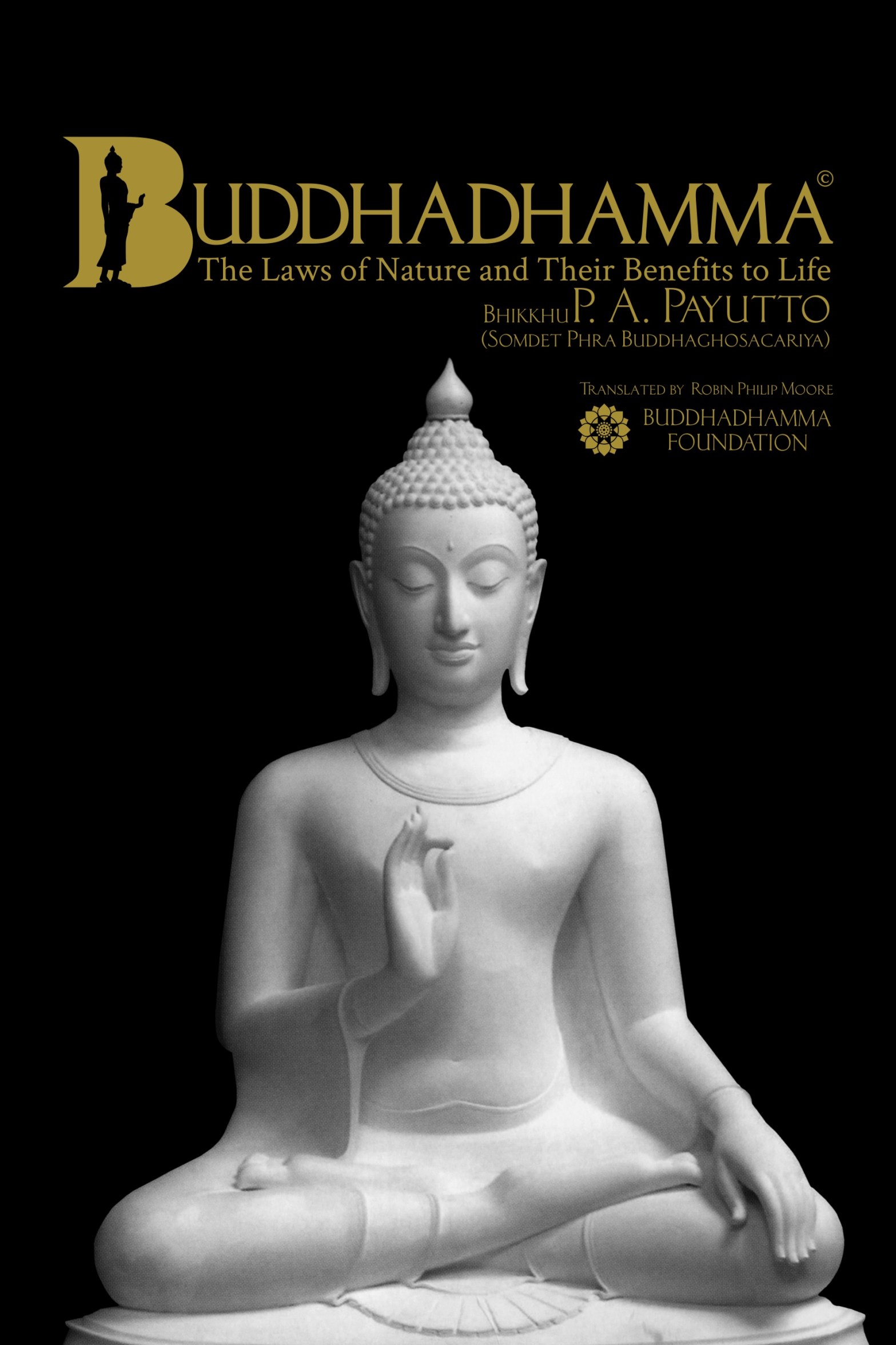

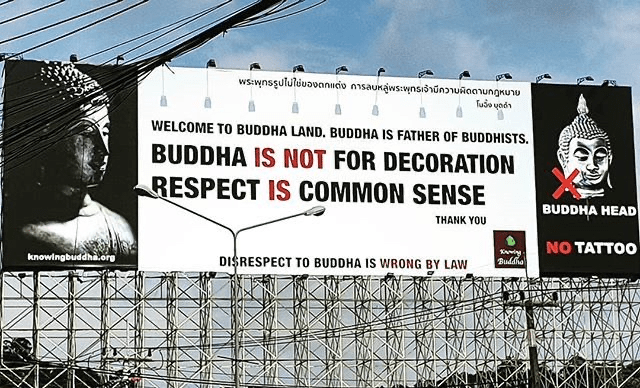

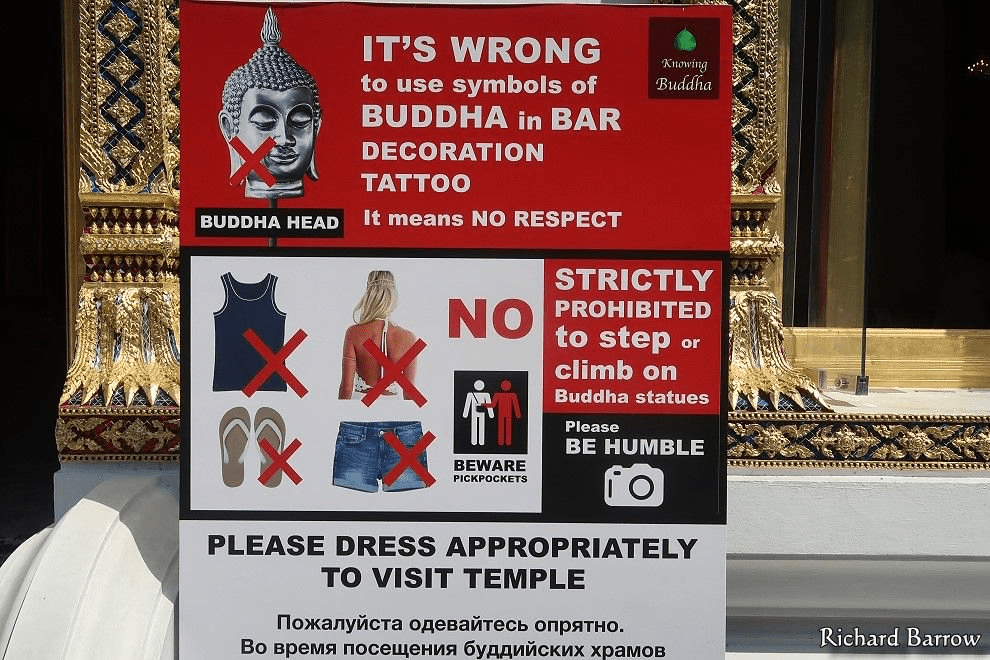

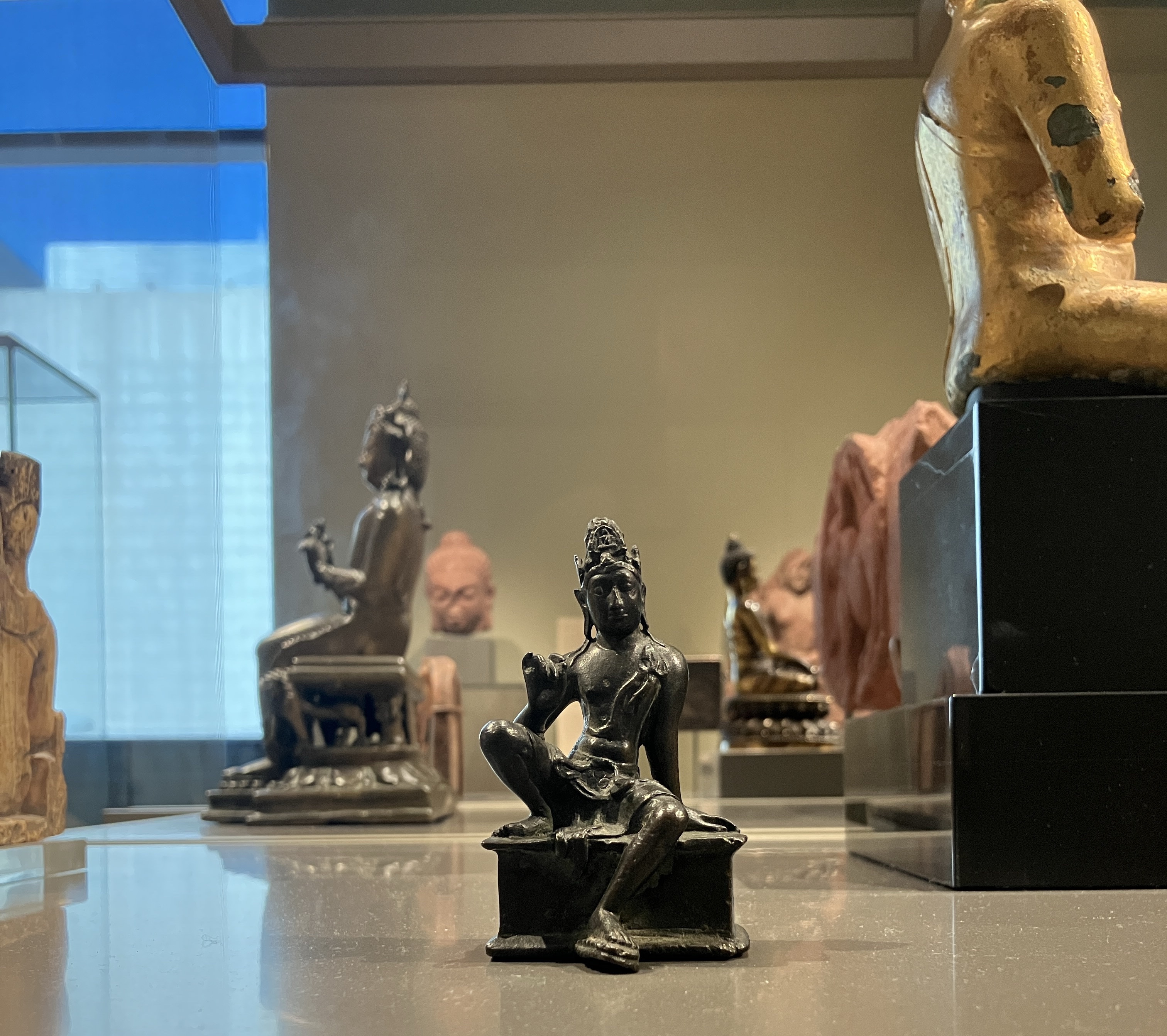
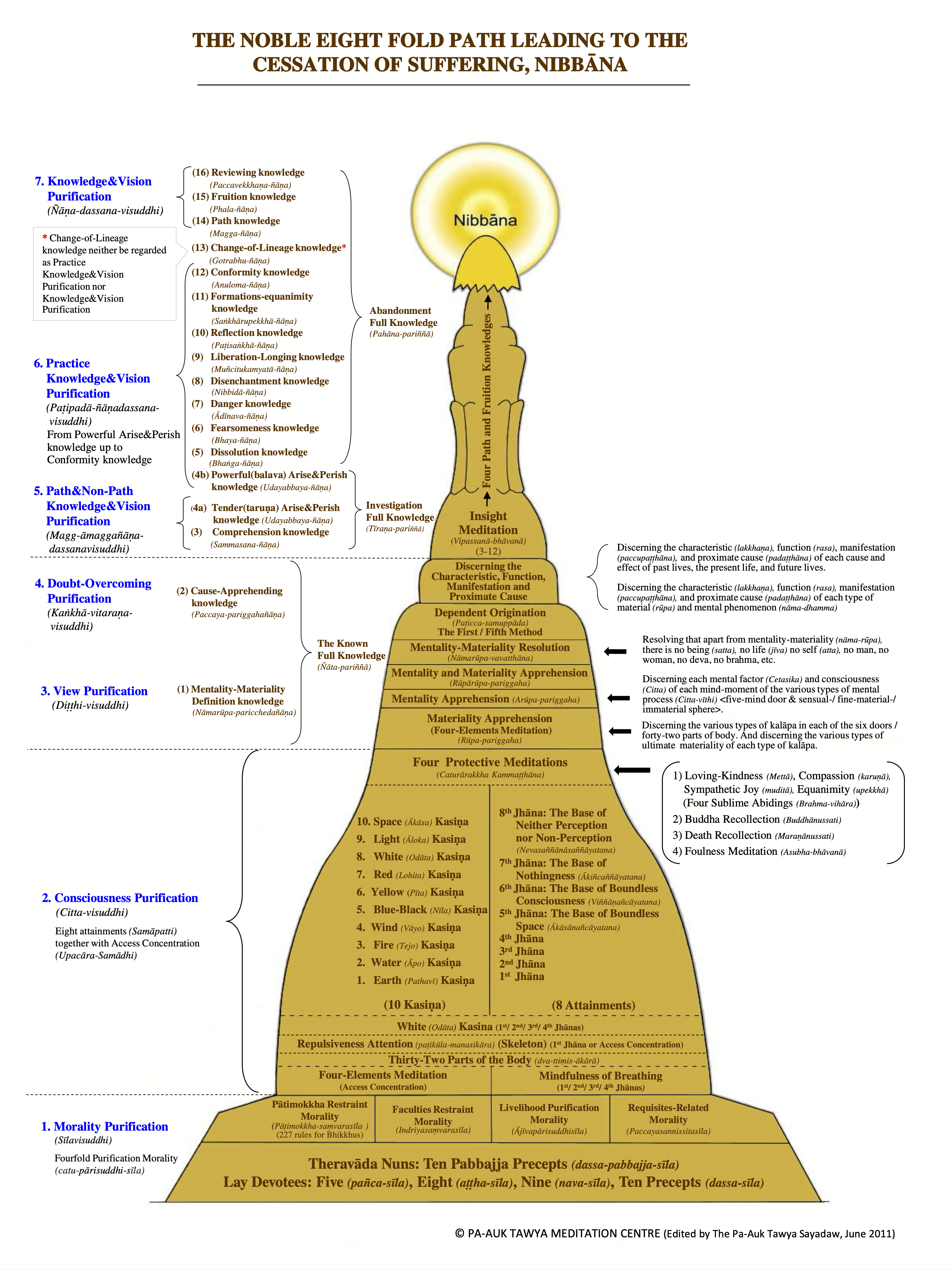
 Integrating Presence