
Truth is always good news; even if it is the truth about something unpleasant because then you can actually master it Luang Por Sucitto After joining the online retreat Love As The Breath Of Life by Ajahn Sucitto I joined and enjoyed the practice and already some of the fruit of this retreat Wellbeing IsContinue reading “Wellbeing Is The Shape Of The Heart: Ajahn Sucitto Online Mediation Retreat”
Category Archives: suttas
Brief Astrology Addendum For Indra Rinzler Podcast

Quick solo mentions not included in the podcast Vedic Astrology, Enneagram of Personality & Wheel of Totality with Indra Rinzler: wholeness this is a brief talk on what i had originally prepared for mentioning with recent guest vedic astrologer indra renzler however when i was writing this down let’s just say i got some signsContinue reading “Brief Astrology Addendum For Indra Rinzler Podcast”
Multi-month Pāramitā (Attainments/Perfections) Challenge For August, September And October 2021
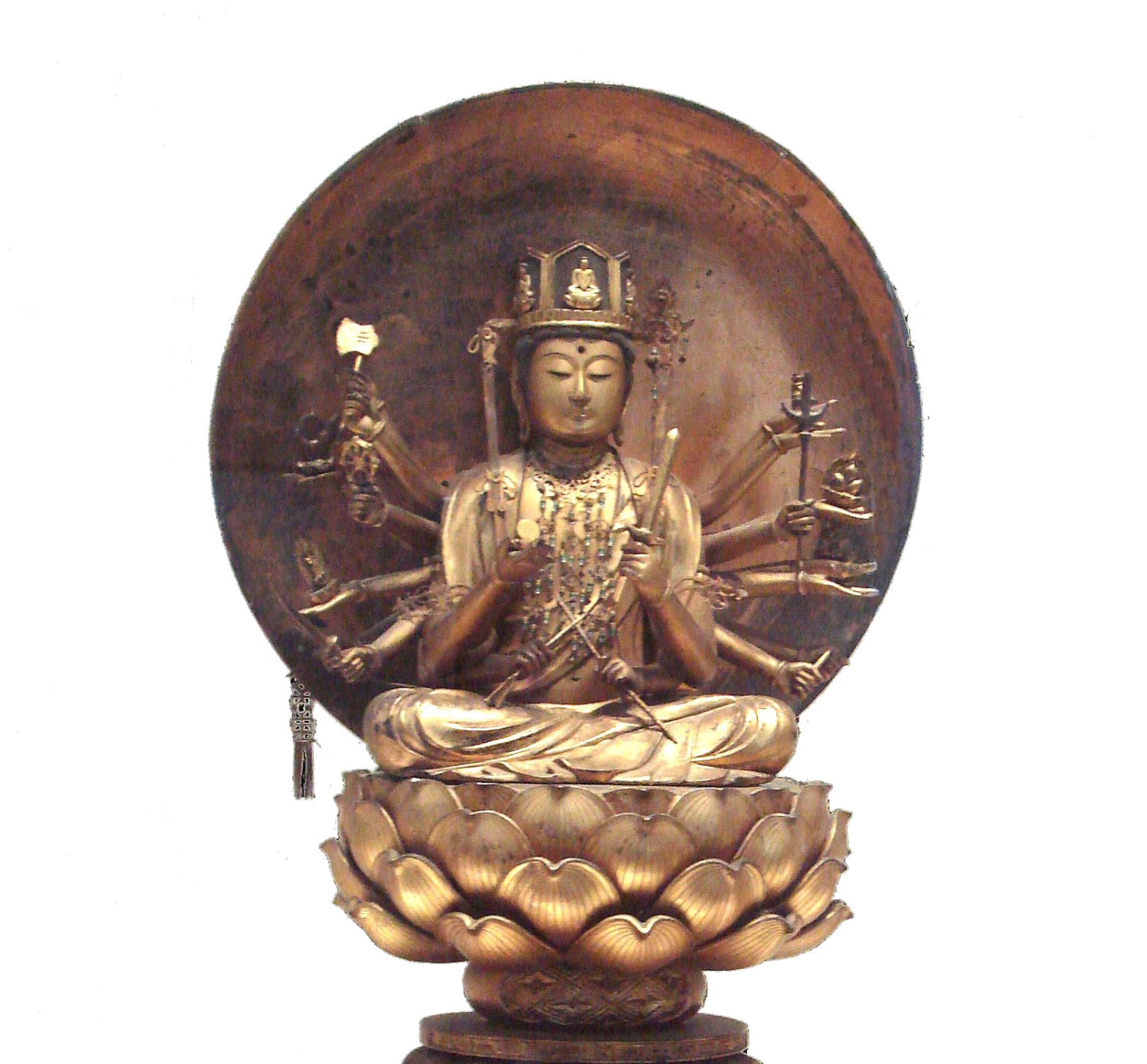
When presented with “The Pāramitā Challenge” I accepted and here we are. In addition to the Pāramitās or Perfections, so far, the challenge also includes precepts and the 52 Stages of the Bodhisattva Path and Bodhisattva vows.
So far, instructions are to journal contemplations resulting from observed intentions, opportunities, and actions to be generous, moral and ethical while arousing faith in the Triple Gem then seeing where/when confident and where/when in doubt.
I’ve not taken Bodhisattva vows, and so with little instruction in Mahāyāna Buddhism, apart from maybe a smidgen of the zen stuff, there’s the benefit of beginner’s mind is a nice way to put it. I shoot from the hip with a lot in this recording and will often use a Theravada lens and a lot of inquiry as I ponder out loud. It may come off at times as criticism and sometimes it may actually be, but these are mostly solo efforts at summonings what is really meant by the material.
Dharmic Strategies For Empaths

This niche topic for empaths, or energetically sensitive beings, encapsulates years of note taking from experience, study and practice, provides nine categories of approach:
1) Gratitude for opportunities
2) Mindfulness (– especially of contact and vēdanā)
3) Hedonic Tone and the Three Characteristics of Existence
4) Self and identification
5) Equanimity and compassion
6) The Four Right Efforts and Five Hinderances
7) Energy
8) Non-attachment
9) Miscellaneous strategies
Irregular Inquires — Investigating The Term “Early Buddhist Texts”

Ten questions to investigate the term “Early Buddhist Texts.” The first three:
How helpful and/or how detrimental is the term “Early Buddhist Texts”?
Where/how did it originate?
On one hand maybe it sets up a certain distinguishing category in a distilled type of way, but when does “early” begin and end?
Materiality And Mentality | (7/27/2021 — “Ask Us Anything – LIVE” With Denny K Miu And Guest Beth Upton)

For this month’s regular open-audience, open-discussion “Ask Us Anything LIVE” — continuing discussions about meditation and related topics — Denny and I chat with meditation teacher Beth Upton most significantly about the Dependent Origination link Nāmarūpa, or Materiality and Mentality, which, according to Wikipedia, is “used in Buddhism to refer to the constituents of aContinue reading “Materiality And Mentality | (7/27/2021 — “Ask Us Anything – LIVE” With Denny K Miu And Guest Beth Upton)”
Images For The Minds Of The Three Kinds Of People In The World

The three types of people in the world are likened to a person with a mind like an open sore, a person with a mind like lightning, and a person with a mind like diamond.
“And who has a mind like an open sore? It’s someone who is irritable and bad-tempered. Even when lightly criticized they lose their temper, becoming annoyed, hostile, and hard-hearted, and they display annoyance, hate, and bitterness. They’re like a festering sore, which, when you hit it with a stick or a stone, discharges even more. In the same way, someone is irritable and bad-tempered. Even when lightly criticized they lose their temper, becoming annoyed, hostile, and hard-hearted, and they display annoyance, hate, and bitterness. This is called a person with a mind like an open sore.”
Illustrated: The Buddha’s Five Themes For Addressing Unskillful Thoughts

In the Vitakkasaṇṭhāna Sutta — The Relaxation of Thoughts (MN 20) the Buddha provides five themes to attend to at the appropriate times for those intent on heightening the mind. (The full post includes images and passages with explanations)
1) Small Peg Knocking Out Larger One (to attend to another theme)
2) Disgusted By Wearing Carcass (to know certain thoughts are unskillful, blameworthy, and resulting in stress)
3) Looking Away (to pay no mind to unskillful thoughts)
4) From Running To Walking To Standing To Sitting To Lying Down (to relax thought fabrications)
5) Clenching Teeth (to crush unskillful/evil mind with awareness)
Form And Formless | (6/29/2021 — “Ask Us Anything – LIVE” With Denny K Miu)

For this month’s regular open-audience, open-discussion “Ask Us Anything LIVE” — continuing discussions about meditation and related topics — Denny draws from, and summarizes the teaching of Shifu Ji Ru to link together the Four Great Elements, Four “Mighty” Postures, Four Right Knowings, Four Foundations of Mindfulness, Three (or Four) Dharma Seals, and Three Gates of Liberation.
June 2021 Full Moon Dhamma Gathering: Truth

Due to a major interest in truth, I answered the call to read a Sutta at Beth Upton’s June 2021 full moon gathering. Each of these monthly online get-togethers explores a different topic and offers “a chance to deepen our connections with each other through group meditation and Dhamma discussion.”
Amongst other things, this blog post includes the text I read along with a passage from another text I considered reading; relevant quotes about truth; the main questions we explored and some we did not
 Integrating Presence