The December 1, 2023 Insight Timer live event description:
Inspired by a few months of monastery life in the UK, for 15 minutes or so let’s hash out these three qualities — of kindness, confidence and authenticity — pertinent for England and quite a few other walks of life
This is for anyone even remotely serious about Disclosure who’s already somewhat familiar with the governmental and “Truth Movement” or “alt media” approaches and who’s ready to get more expansive and deeper with firsthand otherworldly accounts as well as the resultant higher perspectives, analysis, wisdom and skillsets
For more information regarding the work of Randi Green visit:
For this fourteenth installment of the ongoing live series with Wendy Nash inquiring into meditation practice on and off the cushion we undertake a special and abbreviated (laden with technical challenges) Thanksgiving edition mostly about appreciation and gratitude
(Ways to) join these Q & A’s when they happen live:
*There’s naturally an ongoing open call for meditation (related) questions for the (roughly) monthly “Meditation Q & A” either by the various social media means listed; integratingpresence[at]protonmail.com or just showing to type/ask live.*
Background
Regular, current and past visitors to Integrating Presence may recall the monthly series “Ask Us Anything” I did with Denny K Miu from August 2020 until January 2022 — partially including and continuing on with Lydia Grace as co-host for awhile until March 2022.
For a fewmonthsthereafter I did various Insight Timer live events exploring potential new directions and/or a continuation of the Ask Us Anything format while weaving in other related teachings to these events.
Then, after chats with meditation coach Wendy Nash, it became clear to start a new collaboration similar to “Ask Us Anything” simply and clearly called “Meditation Q & A” especially due to the original intent of the Ask Us Anything’s being “discussions about meditation and related topics.”
The billing for this November 3, 2023 Insight Timer live event “Rethinking Rejection” in the less than ideal recording environment of the windy English countryside:
Are there any causes and upsides to rejection? What are skillful ways to view, approach, be with, relate to, practice with and respond to rejection? What can rejection teach us? Join this 15 minute or so exploration to learn and even contribute to the wisdom of something we’ve all experienced
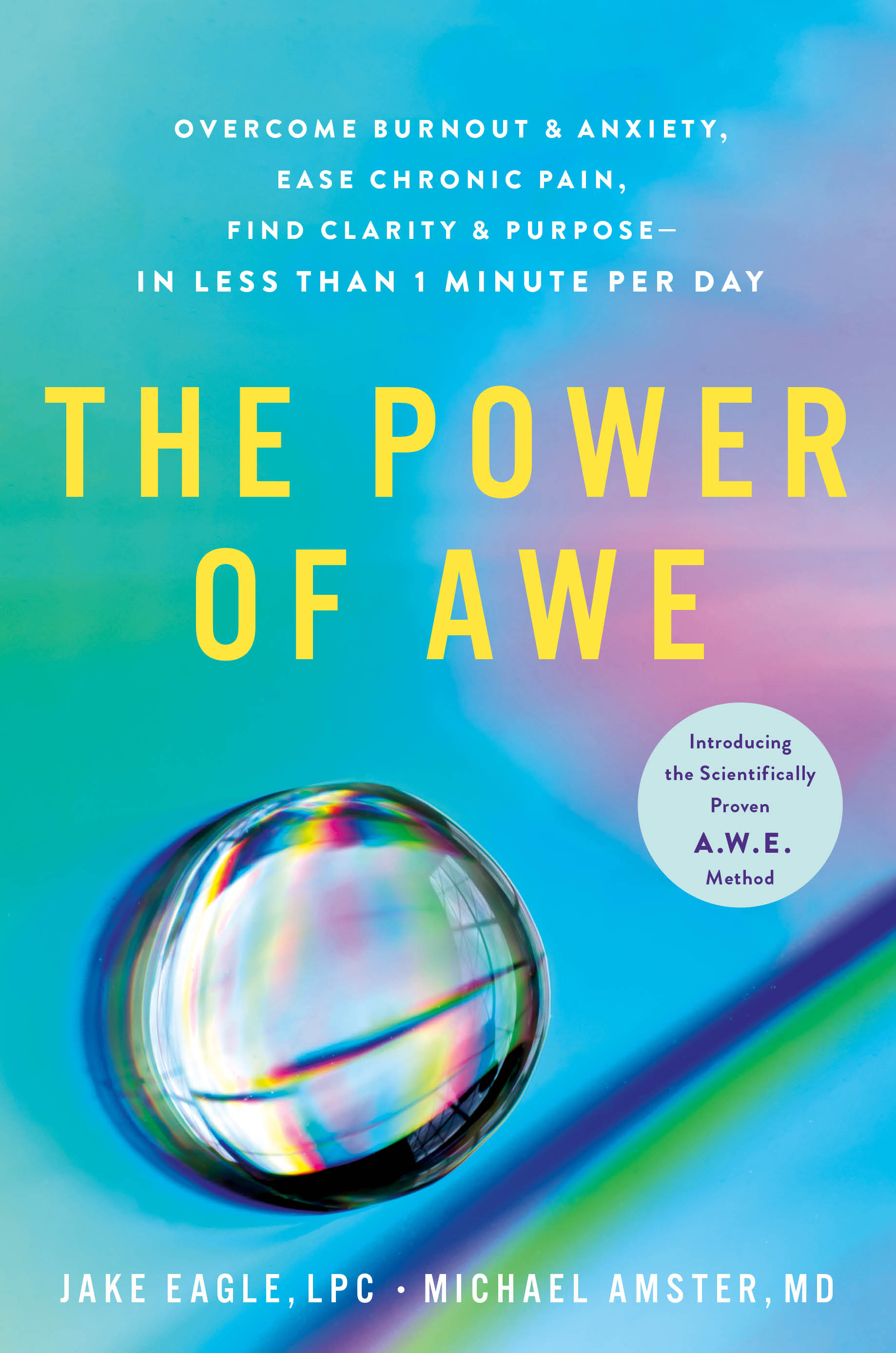
On September 11, 2023 I spoke with author, researcher, and therapist Jake Eagle about his background, work and transitions, various research and studies, transcending our everyday reality, brevity of the A.W.E. technique, better connections due to the prosocial emotion of awe, (the lessening of) external validation, the awe of nature, the positive and negative notions and fear and wonder of awe, sensorial awe, perceptual / conceptional awe, interconnected awe, awe’s energized and play-like state that can release tension, how awe works physiologically via cytokines and inflammation reduction, awe spectrums ranging from numb to grandiose, how even though meditation practice provides more benefits the a.w.e. technique is considered a shortcut to transcendence via elevating consciousness by going from safety consciousness through heart consciousness to spacious consciousness, calming the nervous system and changing perspective, perception language, praise and blame, how to do the technique of A.W.E. [Attention, Wait, Exhale / Expand] for one or two breath cycles, long exhale activating the vagus nerve, polyvagal theory, etc.
Background blurb:
In May 2020, at the height of the pandemic, two trial groups embarked on a study through UC Berkeley to test a new method for “micro-dosing mindfulness.” One group was comprised of frontline healthcare workers; the other consisted of patients at a local medical center, as well as any of their friends and family who wished to participate. Almost immediately, both groups reported significant improvement in symptoms of stress, anxiety, depression, and chronic pain—results that bore out over the course of the study and beyond. Jake Eagle, LPC and Michael Amster, MD, knew that they were on to something.
The benefits of mindfulness meditation have been well-documented but are not accessible to everyone. Health care workers during the pandemic, not to mention many busy parents and other professionals, simply can’t find time to sit in silence for 20 minutes a day. For others, intrusive thoughts make meditation painful or even impossible. So Eagle and Amster were ecstatic to have found a clinically proven alternative, which they are introducing to the public now in a new book, The Power of Awe – Overcome Burnout and Anxiety Ease Chronic Pain Find Clarity and Purpose — In Less Than 1 Minute Per Day
A few thoughts after the talk:
Such as in some of the medical profession, science and academia, can/could relentlessly quantifying (and/or feeling obligated and/or trained to scientifically explain) everything wipe out one’s sense of awe?
How much is finding awe in the mundane aspects of life helping us and how much could it be holding us back from higher levels of awe?
JAKE EAGLE, LPCMICHAEL AMSTER, MD
About the Authors:
JAKE EAGLE, LPC, is a psychotherapist, mindfulness instructor, fellow member trainer of the International Association of NeuroLinguistic Programming, and cofounder of Live Conscious. After thirty years in private practice, Jake now works part-time as a meta therapist, working with people who want to go beyond the bounds of traditional therapy. Together, he and his wife, Hannah, lead life-changing small group retreats at awe-inspiring locations around the world.
MICHAEL AMSTER, MD, is a physician and faculty member at the Touro School of Medicine. With twenty years of experience as a pain management specialist, he is currently the founding director of the pain management department at Santa Cruz Community Health. He’s been a student of meditation for over thirty years, as well as a certified yoga teacher and meditation teacher. He splits his time between clinical work, research on awe, teaching mindfulness, and leading awe-inspiring retreats around the world.
The three-step A.W.E. process — short for Attention, Wait, Exhale and Expand—may sound too good to be true, but the results are very real. Bolstered by the success of the initial studies, plans are now underway at UC Davis to look at how A.W.E. can be used as a medical intervention to help COVID-19 long haulers and patients with heart failure. Not bad for a practice that arose from an epiphany while making pancakes! In THE POWER OF AWE, readers will learn:
• Exactly how to enter a state of A.W.E. at home – no trips to the Grand Canyon or virtual reality equipment are required. It’s all about finding inspiration in the everyday.
• The science of A.W.E. on a cellular level—exactly how and why this practice works to reduce inflammation in the body (as measured by levels of the compound interleukin-6), and to optimize the nervous system for a heightened state of consciousness.
• What A.W.E. looks like in practice – through a combination of results from the study, their own lives, and their work with clients, Eagle and Amster show exactly how the A.W.E. method is significantly improving people’s lives, and how readers can reap those benefits for themselves.
On August 21, 2023 Dr. Lynn Carey talked with me about her chiropractic journey, self-healing, chronic stress, passion, following one’s highest purpose, divine guidance, interconnection between wellbeing and wisdom, living in alignment, lack of helpfulness of disease labels, inspiration, journaling, recreating trauma and letting go, exploring interests, shadow work and dark night of the soul, the Sedona Method, bliss, Lynn’s grace state, service to others, Lynn’s book My Journey to Grace, etc.
About Lynn
Dr. Lynn Carey earned a doctorate in chiropractic and a bachelor’s degree in nutrition from Life University. She owned a practice in Wilmington, Delaware, for eighteen years, and has traveled to Brazil and India. Dr. Carey loves empowering others to create their desired life of health, wealth, and perfect self-expression. Today, she stays busy pursuing her entrepreneurial dreams and homeschooling her teenage son.
On September 5, 2023 this Insight Timer live event aimed to refresh, inspire, explore and boost innerstanding of service to others. This included: being spontaneous, going on intuition, interventions vs. letting people be, putting compassion and service in action by asking how can I help, harm reduction, prioritizing, self-care, flipping the script on the argument that helping others is service to self, using embarrassment as motivation instead of self-criticism, assimilation, allowing, receiving, recharging, the four nutriments, happiness, (lack of) specialness, conceit, etc.
On August 29, 2023 intrepid healer and magic maker Susan Gold and I discuss meditation, her involvement with Hollywood, abuse, addiction, viewing life challenges as occasions for transformation, trauma, Matt Kahn, lessons from being an endurance athlete, moments of truth, courage, gender stereotypes and programs, and various modes of healing like working with the inner child, visualization, body work, somatic experiencing, sensations, dissipation, and golden light.
Biography
Susan Gold was raised in a challenging and chaotic family system, the middle child of five. To fully thrive, she bravely chose to meet the demons of her upbringing that were continuing to repeat. Her book, “Toxic Family: Transforming Childhood Trauma into Adult Freedom” is about that journey.
Professionally, Susan became known for attaching celebrity talent to projects in NYC which led her to produce for television and film and on to Los Angeles. She convinced modern art legend Andy Warhol to do an on-camera commercial for Pontiac, a talent deal American TV personality Donny Deutsch still claims as one of his best, helped launch Fox News Channel at the request of Chair, Roger Ailes, and on behalf of Disney Channel persuaded A-list celebrities including Ben Stiller, Jack Black, Taylor Swift, David Beckham and more to be interviewed by cartoon characters…Phineas & Ferb.
Susan is a decorated endurance athlete competing in three marathons, and dozens of triathlons and has the distinction of finishing third in her age group at the treacherous Escape from Alcatraz event.
After living with force on both coasts of the United States, Susan heeded an intuitive call for a quieter life and now resides in the northwest corner of the mystical state of Montana with her beloved partner and their pets. Keen on leaving a legacy to help others heal from challenges she’s successfully met, Toxic Family: Transforming Childhood Trauma into Adult Freedom, is part of that quest. With the same magic Susan created in her entertainment career, she is now leading retreats, webinars, workshops and private sessions to help others drop outdated storylines and programming in exchange for living from the heart in authentic freedom as adults.
Supporting homeless animals, especially dogs, and cats, and helping others up the ladder are her joys. Her pride is her son, a political science major at the University of the Pacific.
After a brief body scan this August 24, 2023, Insight Time Live meditation goes into several techniques of bringing about goodwill. This includes identifying areas of strength where goodwill comes naturally then amplifying. There’s also invitation to discover lacking areas before creating and applying goodwill. Such work is done primarily with allowing, inviting, intention, patience and energy
Audio: An Integrating Presence Meditation: Generating Goodwill
Wholeness! At the time of this blog post auto-publishing I plan to be (traveling to or already) at a silent meditation retreat in the UK until October 15th, 2023. This means I’ll likely be incommunicado until sometime afterward. May this retreat be of benefit for those reading this and of benefit for all beings everywhere. May all beings everywhere realize awakening and be free!
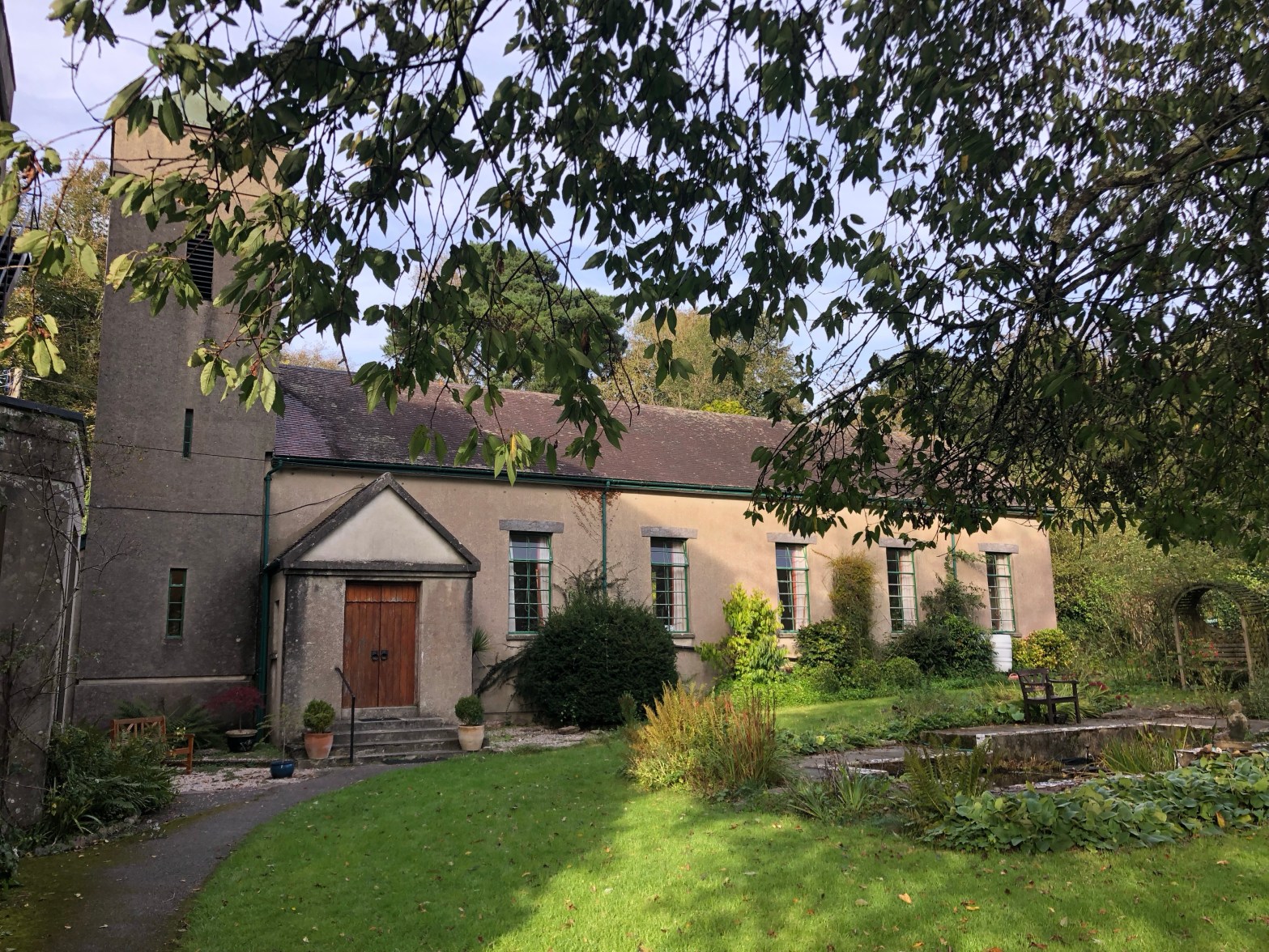
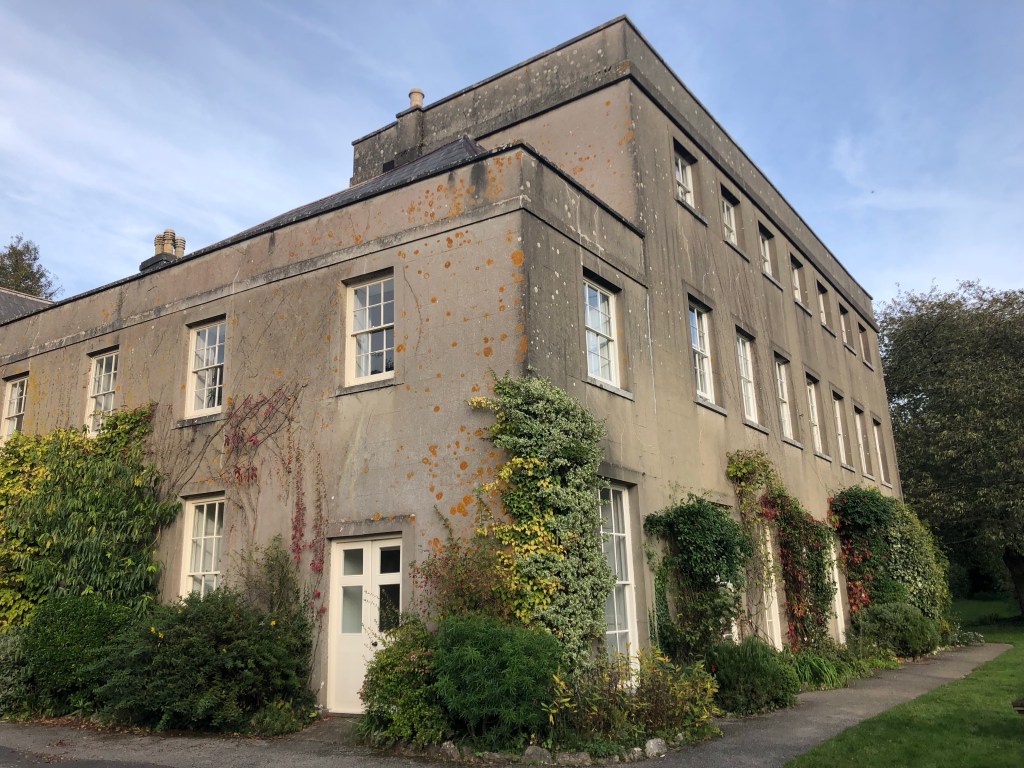
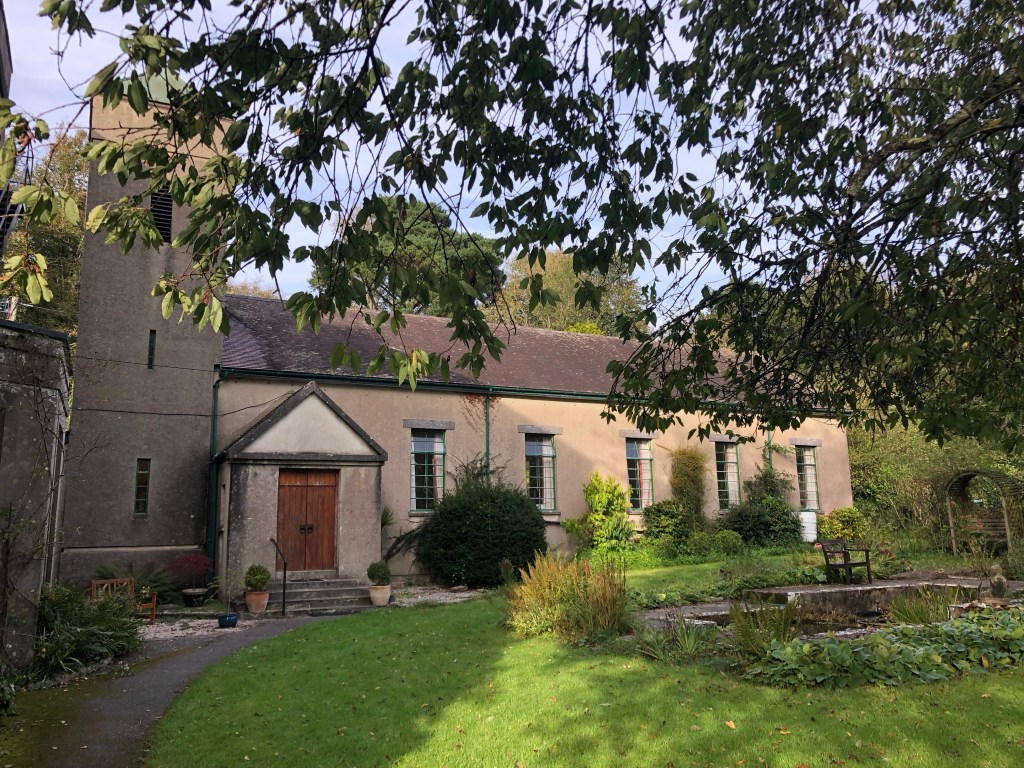
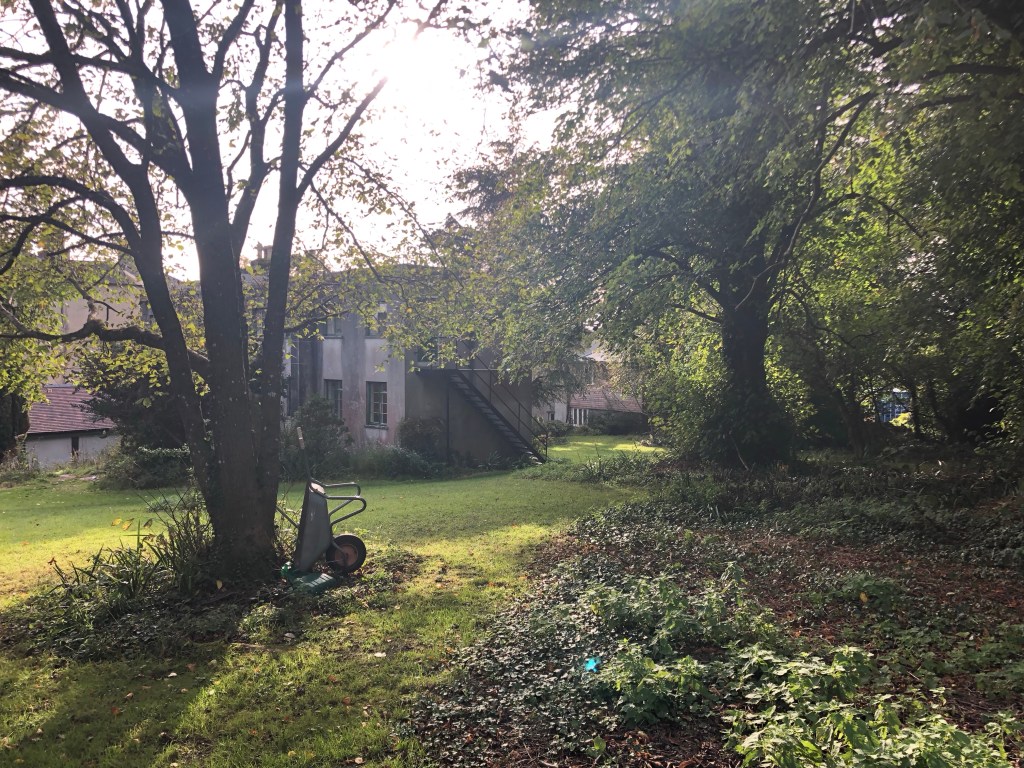
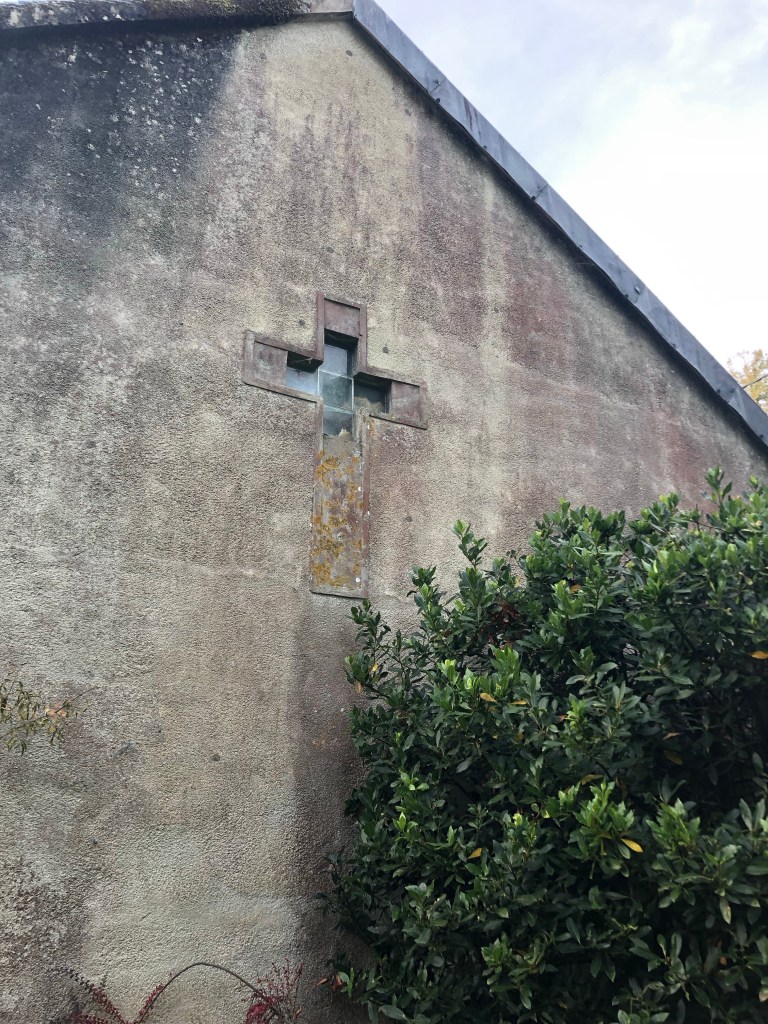
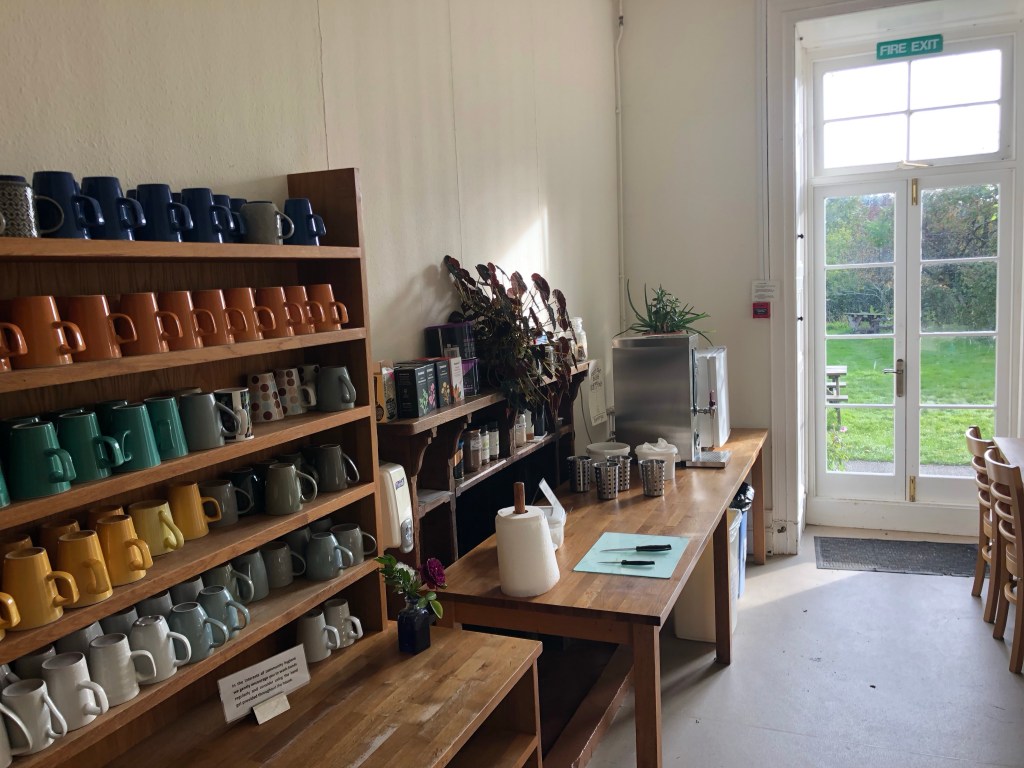
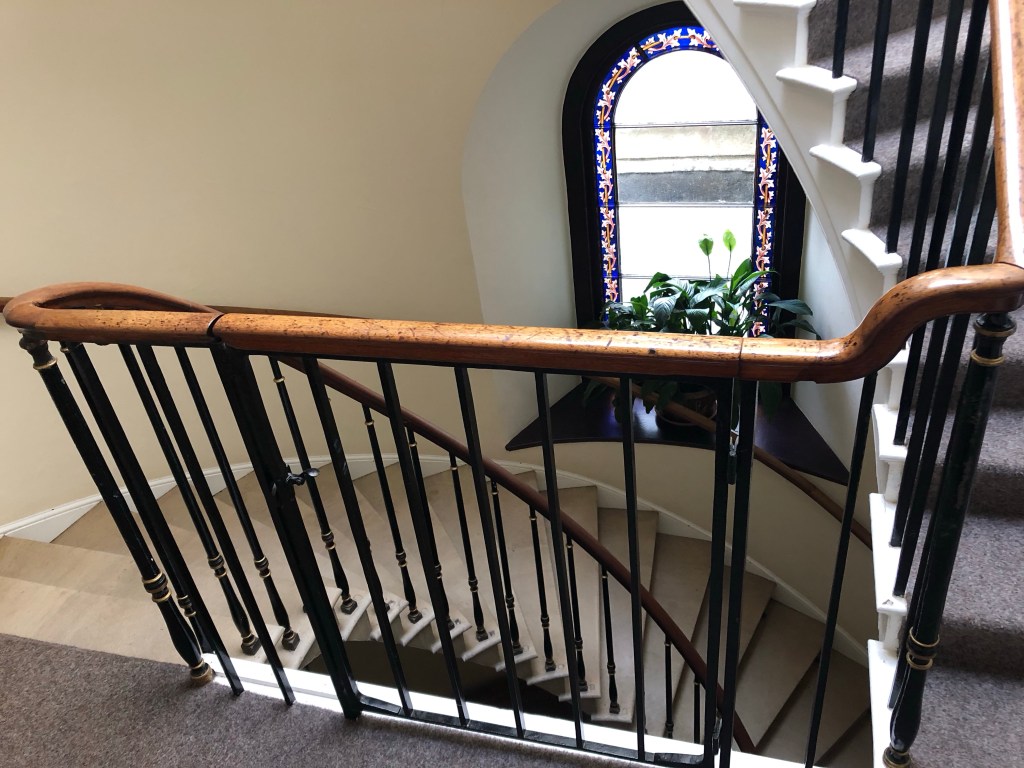
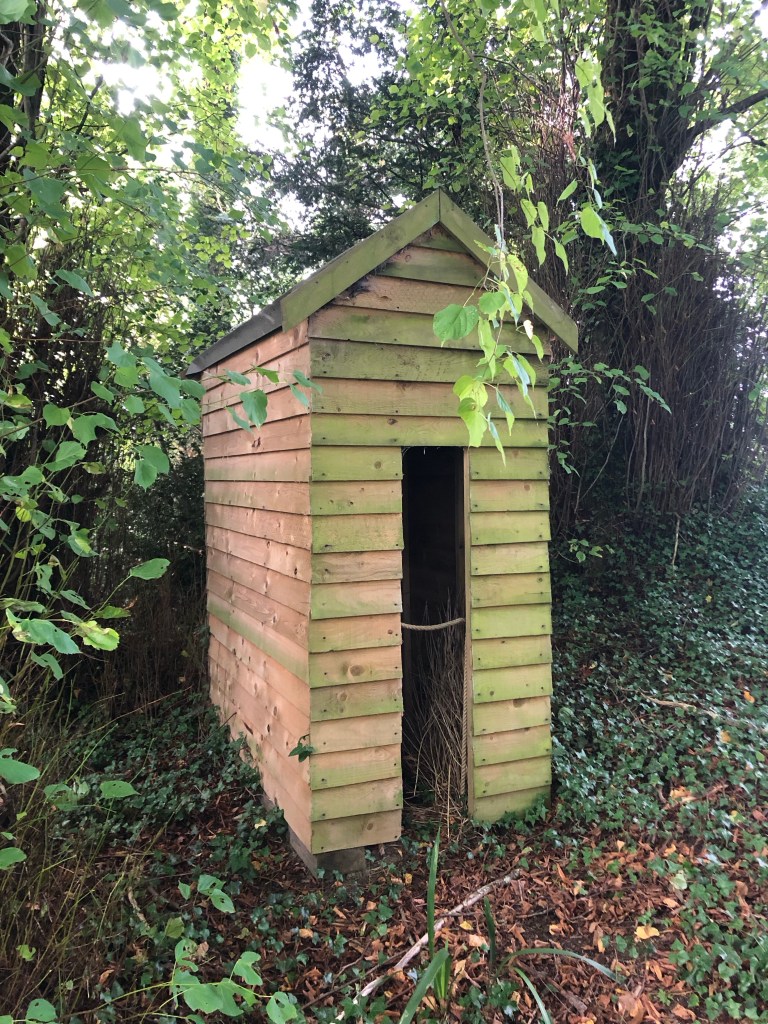
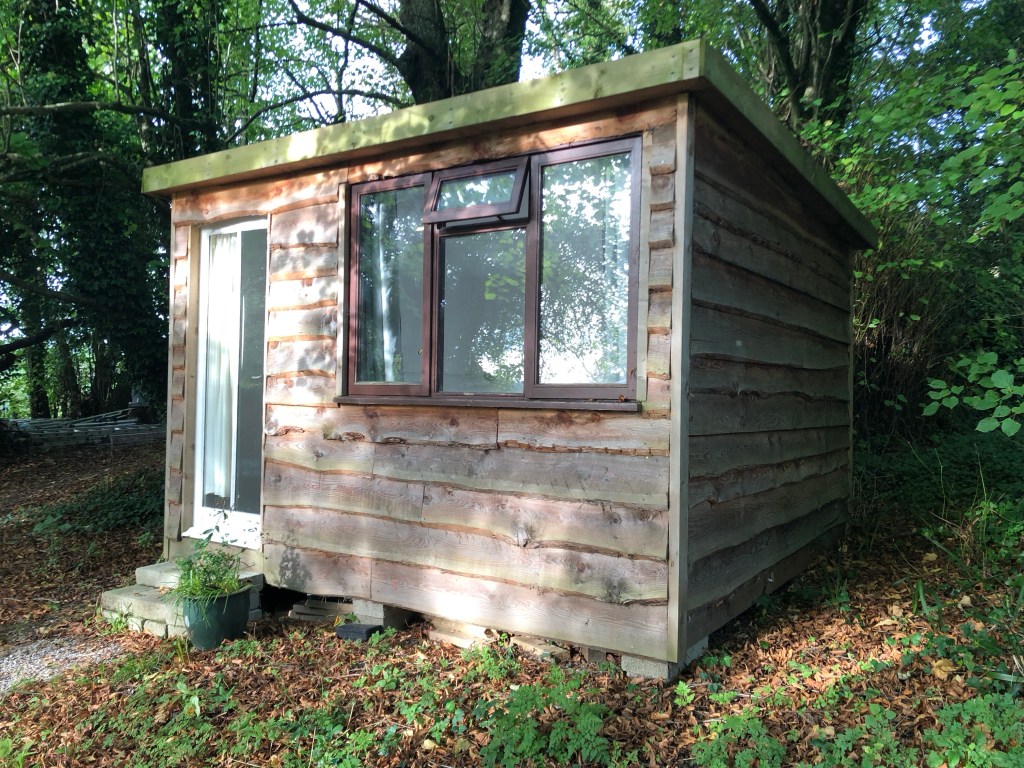
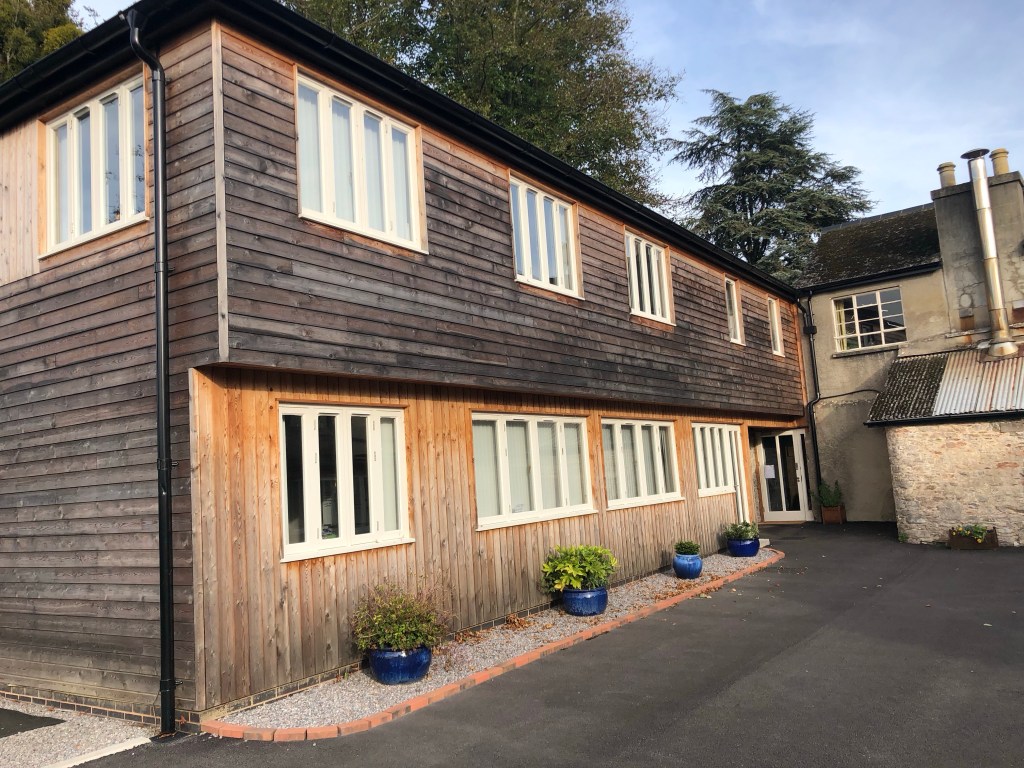
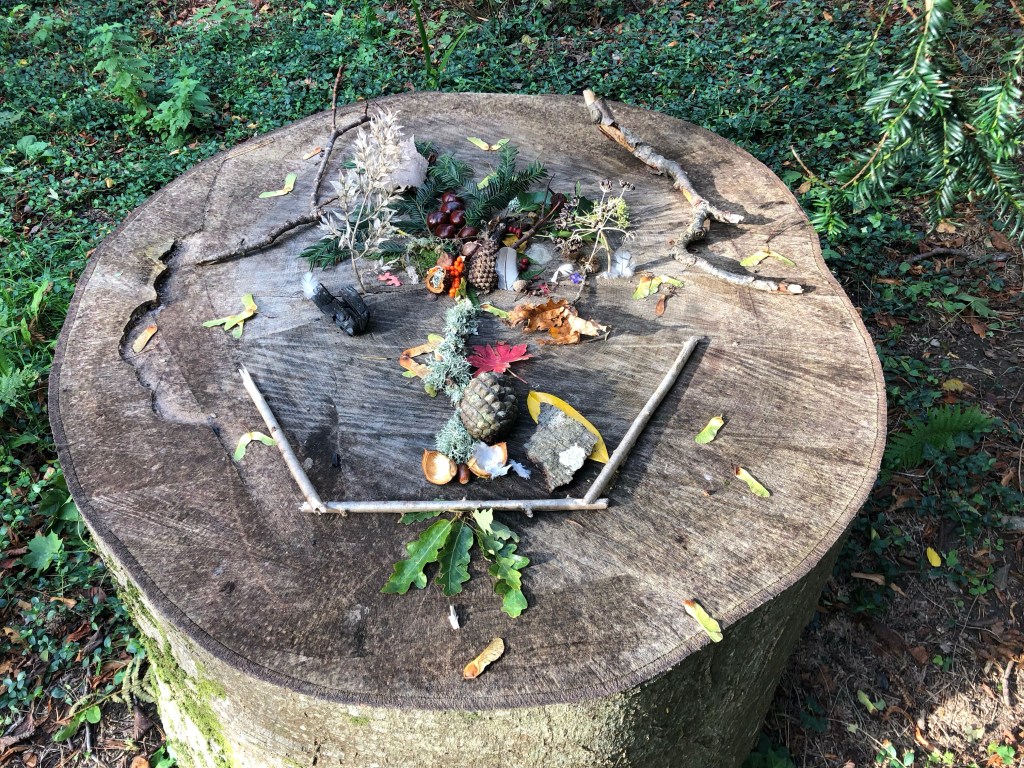
November 18, 2023 UPDATE: For the time being please contact me with any questions or just to see how the retreat went called “Liberating Ways of Looking” with Kirsten Kratz and Yahel Avigur at Gaia House from which I took the pics below:










 Integrating Presence