
[Brief notes before the ai assisted summary that Ajahn Dhammasiha requested audio only and requested I kept my camera on so he could see me while we talked and recorded on Dec 1, 2025. I also didn’t edit out anything and there’s lots of my stammering. Apologies if any of this comes off as too much about “me and my practice” however Ajahn skillfully leverages this on multiple levels making it applicable across many demographics and often universally too.
I’m also very grateful for him for making new connections and suggestions about practice that hadn’t occurred to me before and some of them very subtle that while I don’t really seem to be able to grasp the full depth and potential of some of these now there’s a type of intuitive sense that these seeds have potential for major impact and fruit down the line when wisdom and pāramī ripen. Also, I reflexively stopped the recording too early so it ends abruptly truncating Ajahn’s closing thanks]
(Ai assist:) Ajahn Dhammasiha (from Dhammagiri Forest Hermitage, Brisbane) and I explore the Buddha’s instructions on Ānāpānasati (mindfulness of breathing) from MN 118. We emphasize that breath meditation is meant to be joyful — “breathing in having fun, breathing out having fun” — and that true joy arises from wholesome, non-sensual happiness (pīti & sukha). The discussion covers the importance of strong ethical foundations (sīla) and good kamma, the difference between worldly and spiritual happiness, how the breath is experienced as whole-body energy/prāna, the value of calming thought completely, when to supplement ānāpānasati with other practices (especially mettā), practical challenges of maintaining the breath in daily lay life, and the need to stay aware not only of the breath but also of the state of the mind itself.
Chapters:
0:00 – Introduction & weather small-talk
0:50 – Jumping into Ānāpānasati – “Breathing in having fun”
2:18 – The Buddha’s own words: training in rapture (pīti) & happiness (sukha)
3:51 – Wholesome vs unwholesome “fun”; the Bodhisatta’s past mistake
5:51 – The Bodhisatta’s journey: jhāna → austerity → middle way under the rose-apple tree
7:23 – The 16 steps of Ānāpānasati (MN 118) & why it was the Buddha’s favourite practice
9:12 – Common challenges & the absolute necessity of foundations (sīla + puñña)
13:03 – Personal stories: healing, giving up alcohol, the power of precepts
17:20 – Recalling goodness & mettā before sitting; breath as whole-body energy/prāna
20:15 – Reflection/contemplation vs silent observation in meditation
22:16 – Calming thought completely – the unique gift of ānāpānasati
26:05 – When the mind “can’t take more quiet” → switch to walking + reflection
29:07 – Training wholesome thinking first, then silencing it
32:32 – Ānāpānasati in daily life & jobs – be realistic, use transitions (e.g. mettā)
37:29 – Supplementing breath meditation with mettā, compassion, body contemplation, etc.
39:58 – Continuity of practice & retreat vs lay-life realities
43:24 – Awareness of the breath AND awareness of the state of the mind
45:58 – Closing thanks & invitation to Dhammagiri Forest Hermitage
46:33 – Monastery info, daily program, Bodhi trees in Brisbane — Related link mentioned: https://integratingpresence.com/2020/12/21/historical-trees-of-enlightenment/
Mindfulness of Breathing – All 16 Steps | Breath Meditation | Anapanasati | Ajahn Dhammasiha https://www.youtube.com/watch?v=Gq8zKJ12wgI
Other talks:
Power of Bodh Gaya, Place of Buddha’s Enlightenment | Mahabodhi Temple | Vajirasana Diamond Throne | Ajahn Dhammasiha
July 14, 2025 https://overcast.fm/+pBqoCSfJc
“Euthanasia: Killing of Human Beings is BAD Karma. It’s NOT Compassionate” (Dhammagiri Forest Hermitage) — https://www.youtube.com/live/viU8MCO10Ok
Related article: https://www.dhammagiri.net/post/euthanasia-is-bad-karma
I initially found Dhammagiri through searching a Venerable Kalyano that a Dhamma friend mentioned and found a different Venerable Kalyano and was fascinated by this:
How Do Relics Appear? | Ajahn Kalyano | Ascent to Stupa on Summit | Dhammagiri Stupa Consecration 02 https://www.youtube.com/watch?v=Nf_FiVkO41Q . . . (shorter audio selection version: https://overcast.fm/+pBqqcGP7Y)
Stupa Relic Enshrinement Ceremony | Ven Ajahn Anan with 16 Monks | Dhammagiri Stupa Consecration 03 https://www.youtube.com/watch?v=aTpcvqOtoo4
https://www.youtube.com/@dhammatalksatdhammagiri8724
Audio Podcasts:
https://open.spotify.com/show/0SHWfWEGkO8OAtSWNJlqyD
Dhammagiri Newsletter: https://dhammagiri.net/newsletter
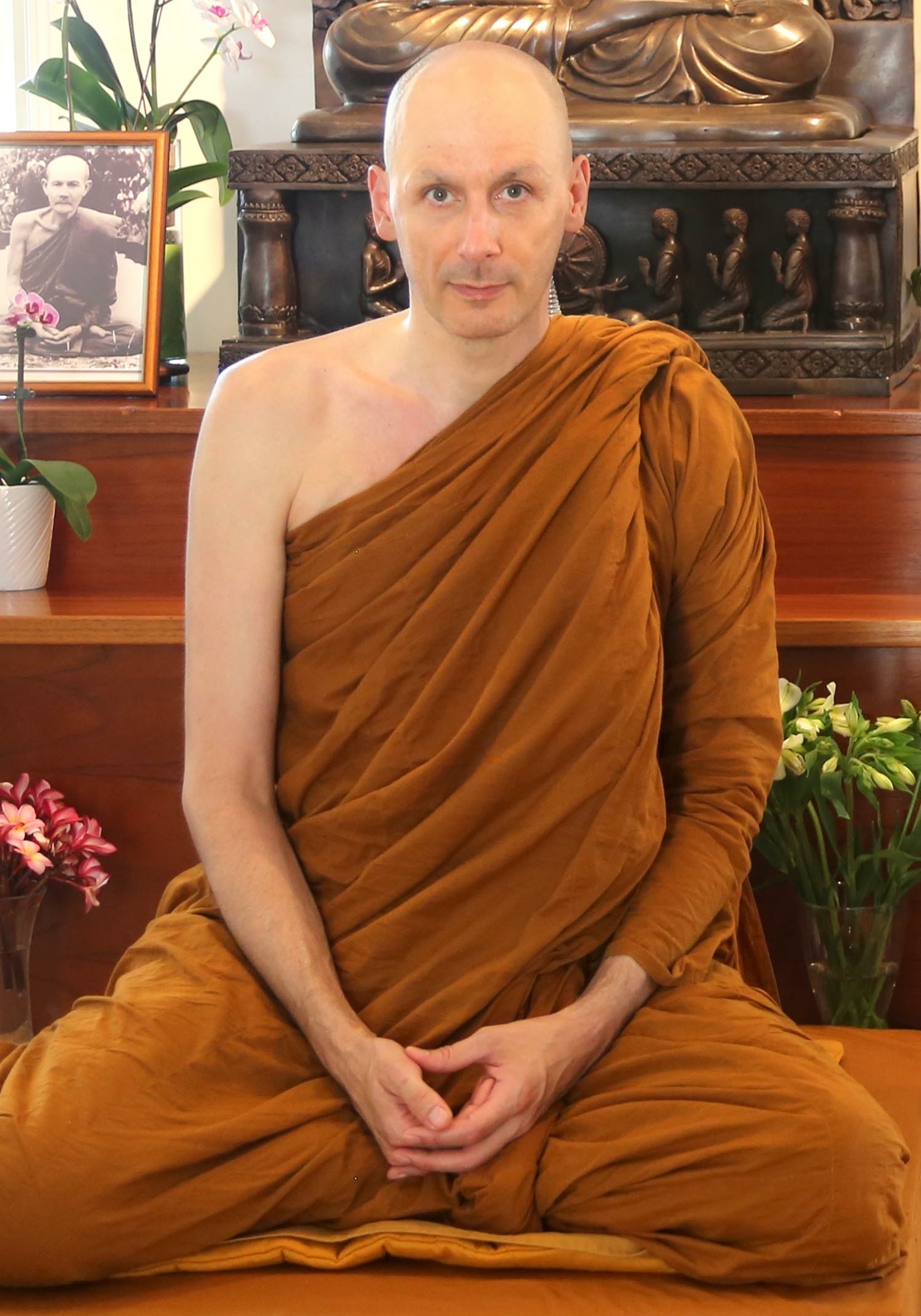
Audio: Ethics, Joy And Insight For The Buddha’s Favorite Meditation | Ānāpānasati Series With Ajahn Dhamasiha
Unedited transcript via YouTube:
Holmes, welcome. Today I have Ajan Damasia with me from Australia. Ajan,
how are you doing today? How’s it going? I’m happy to join you here. I think we
talked already we have the opposite weather here. It’s nice, hot, and sunny.
I never get Christmas feelings here in Brisbane. It just doesn’t work.
Yeah, that’s that’s definitely interesting. here in the middle of the United States. Um there’s snow coming down now, I
think, a little bit north St. Louis. They’ve uh my nephew is a little bit upset that they didn’t call off school
and they’re going 30 miles an hour very slowly. A short trip is now taking a long time. But anyway, this is the the
the nature of the weather. I suppose it it varies a lot. So we’re here today and I’d like to just
jump right into Anapana Santati um with this series and continuing with it. I
reached out to um Ajan to request he come on and talk about it. And the very
next Dharma talk he gave was actually on an upanisanti. So I’m going to include that in the show notes. And what I found
really um fascinating and warmed my heart is when Ajan said
breathing in having fun, breathing out having fun. Of course, this is not, you
know, a literal translation from the anapana sadi suta, but I like I love the sentiment that this gives um because
sometimes I think it’s a a you know sometimes a really um hard duty to do
this. It it can feel like sometimes without the right attitude. And another jumping in point here I mentioned before
is the detailed instructions that the Buddha gave on meditation. And there seems to be only two major ones in
detail and it’s the satipana suta or the four foundations of mindfulness four
frames of reference and this one the anapana sati suta and I was just interested in the parallels and anywhere
else you want to take this a john for for starting off with mindfulness of breathing
what you mentioned that I said breathing in having fun breathing out having fun.
You see it basically goes back straight to the Buddha.
There’s a Buddha himself who tells us we should train ourself breathing in
experiencing rapture. We should train ourselves breathing in, breathing out,
experiencing happiness, experiencing gladness, joy, fun.
That is for me always crucial. This is basically my original approach. I always
wanted to know what did the Buddha himself say and I can only recommend to anyone who
wants to do breath meditation according to the Buddha’s instructions
and to go straight away to the Buddha’s instructions as we have them.
Uh John, I want to jump in here real uh quick. And so my confusion then was that
because of my kind of unskillful, unh wholesome um things in the past, I had
misassociated fun with things that are unh wholesome and unskillful, right? But that’s not necessarily the case. We can
still have quote unquote fun and it be entirely skillful and wholesome, right? So that’s where my confusion was because
due to how I was in the past, what I considered fun uh had had gotten to that
quote unquote fun in ways that are less becoming of, you know, things that I
don’t want to do now, right? Things that I don’t want to behave in certain ways. But there’s entirely
um many possible ways to have fun, so to speak, or that are that involve pity and
suka, right? joy, you know, bliss is a little high mark. Some people are a
little adversive to that. I like that word. Bliss is great for me. Um but uh
yeah, um joy and happiness. So yeah, I just wanted to put that out there because I I don’t normally associate um
yeah, there’s also the what what some people call fun that’s it’s not so
wholesome. So don’t be too harsh on you Josh for
getting that point wrong because even the bodhic sata before his awakening
got that same point wrong. This is why he did the extreme aesthetic practices
and he thought if we want to reach awakening enlightenment
the way there is by not having any fun not having any happy feelings but basically to only have the discomfort
and pain and the crucial breakthrough was that he
realized that this doesn’t work and instead we have to distinguish between
worldly fun and unh wholesome or even evil fund or happiness
and the other form the spiritual happiness the happiness that is not based on central gratification
and then that led him to practicing the samadi practicing janna
which is an extreme intense forms of joy happiness and bliss and they realize now
that this is actually a support for awakening
Yeah, it it’s it’s it’s interesting, right? Because um it kind of came full
circle in a way, right? Because he left to go practice at first with the two teachers that taught him Janna, right?
And it went all the way into that and he said, “Well, this isn’t going to take me all the way. This is not what I’m
looking for, more or less, right? Please um refine this sentiment.” And then when did the in aesthetic practices and then
um what was it then he finally took took food right and then had a memory of
under the rose apple tree when um when he experienced Janna as a as a young
child almost spontaneously or who knows how much parammy in the past or what what led up to that and and then then
changed um mindsets from the aesthetic practices. Yeah. My point was that like
drinking alcohol, thinking that’s fun. Just basically being under a lot of delusion of of what to do that’s going
to cause some kind of um short-term diluted happiness. But then yeah
realizing that’s okay you know that’s that’s right that that um maybe I had to go through that due to past actions but
had the good fortune now to have encountered the Buddhist teachings and and practice too and realize that no
there’s there’s a much better way. So yeah I I appreciate that um encouragement too.
So now go for the instructions as the Buddha has given them and there are these 16 steps
and uh you were correct that this is one of the most extensive complete
excellent instructions we have about any meditation object from the Buddha as the
anapana sati suta and matrianikaya and the middle length discourses
the number 118 and just just reading it in particular
the heart disease so-called four tetrits the covering the four satana
the four instructions for each of the four satana
and anapana is so fantastic because it is a meditation object that can develop
both samata samadi but also So inside so it’s really complete
and by the way it was the favorite meditation object of the Buddha himself
that the Buddha would sometimes go and retreat and we can read about that and he would ask that only one monk is
allowed to see him bringing him the food and later he said that he mostly dwelt
in that kind of meditation during the retreat worth meditation
It also appears that he practiced breath meditation uh
at the moment just before pavono.
So there’s many arguments for cultivating this meditation object.
Indeed. So what do you find are some of the challenges
just starting from the beginning right? um some of the common challenges and how
to address breath meditation. I think that’s a kind of good simplistic place to start.
The very crucial point is the foundations.
If you look at the places where the Buddha talks about anatasi,
there’s many occasions where he first mentions other more basic practices.
So it is quite a refined meditation.
It was an excellent meditation object for the Buddha. But we have to keep in mind that the Buddha has this fullness
of all spiritual perfections and poweries and spiritual faculties.
So for most people they have to make sure that they get the
foundations and in order to experience that
nonsensual happiness that is not relating to any unhud or evil states or
unskillful states. It is much easier to get there if we build up a stock of what is called puna,
good karma because then we already have a background happiness in our heart.
If we have very poor precepts that someone who’s regularly breaking major
precepts and at the same time the person also may not be particular generous, not so kind
to other people, be egoistic, materialistic and so on. And there’s no
basis in stored up good karma. Then when you try to focus inside
it may actually be not so pleasant what you first encounter.
If that is the case, if someone focuses inside and it feels a bit scary and dark
and so on, that may be an indication make more good karma in a in a basic
way. Just like the motto of the scouts and then every day a good deed or maybe
better every day 10 good deeds. being generous, being kind, being
compassionate to other beings, helping others, the supporting the SA
and then very important keeping the five precepts. It may not be so apparent
what is a direct relationship if I use some polite lie or
bit imprecise about the truth and so on. What has it got to do with watching the
breath? But if we have uh confidence in the
Buddha, we clearly pointed out it is related. And if we are doing unskillful
actions, even if we try to convince ourselves and we have some excuse in the back of our
mind that we have this faculty called conscience and we know quite well if we did
something which wasn’t good in the background it is there and that
darkens the mind and that reduces his internal brightness and happiness and
then it’s much more difficult to bring that up in the breath meditation.
So these two foundations accumulating good karma by good actions and keeping
the five precepts not to kill, not to steal, no sensual misconduct,
not lying and avoiding equivalent other intoxicants. Yeah, it’s
a very good basis. Yeah. And it’s it’s wild, you know, of of course I verified this in my own
experience because when I first started um besides having a lot of relief,
right, at first having maybe a semi- mystical experience, but then for the first year, maybe two years of my daily
practice, it was basically remembering all the things that I had forgotten about, unskillful um ways of treating
others and treating myself. And so there’s a lot of healing because I didn’t have proper meditation
instructions, right? Or like a teacher or SA to go to, but it was my own therapy. And so then I saw in vivid
detail the things that I had, you know, put off or um yeah, didn’t address. And
so I was I was um calling up people asking for forgiveness. There was um you
know, weeping when when it was appropriate because I was by myself, right? and just a lot of healing. And so
then it’s just it just gradually more and more where one one beer where I
could, you know, stay out drinking all night then eventually got to be one beer I would have a a hangover for like a day
or something. So I just I mean what’s the point at that point you know of doing that? So I just it gave that up
and then so I can see in my own experience you know from past action reflecting on
that and then going forward. So it’s so obvious and and in the Ty force tradition I’m really grateful for this
tradition too cuz it’s very practical down to earth um but the wisdom is very
deep and profound and it’s useful um very very very useful and I resonate with it and there’s a big emphasis on
you know the the the precepts and why I’m only a five preceptor through daily
life when I go and you know take on eight precepts too. So a huge boost in
practice. So yeah, I just wanted to kind of verify that for myself and I think it’s often overlooked in people that are
interested in meditation. Now a lot of times you know and even in therapeutic circles where I don’t know due to
certain laws that um some therapists aren’t really um there’s only a certain
amount they they can say about ethics, right? Um so it’s a huge it’s foundational and that that’s right. It’s
just kind of like the practice won’t go as deep or as far if that foundation
isn’t there. Yeah. You see this shows your wisdom faculty,
the pa faculty Josh that you could recognize in your own experience
the relation between you asking forgiveness, you doing the healing,
you improving your general interaction with other beings and the effect it has
on your meditation. Now the wisdom faculty is not necessarily what we consider high
intelligence that someone can
evolve in the beautiful mathematical proofs or theoretical physics but is
being able to recognize the causal relationships in our own heart between
things like that. asking forgiveness, being kind to others
and then actually being more calm in one’s meditation to identify internal
causal relationships and one can do that in both directions.
If you have a really bad argument with someone, we we get really upset, we lose
it, we are yelling at people and then an hour later you try to sit down to do
anapana. I think almost anyone can notice that the mind just can’t settle on this
subtle object. On the other hand, maybe your mom or
some elderly relative and you make a big effort to visit them, bring some
flowers, a nice gift, give them some time. They’re so over the moon to see you. And then you you feel so happy know
that someone can be made happy with something so simple. And then out of that feeling of
happiness, you sit down to meditate and suddenly this joy and happiness actually does
come up while you watch the west. It it’s so great and I love Lampur
Suchito’s um recommendation too of bringing that up bring recalling
goodness at the at the front you know and a little do some meta but sometimes
it’s on automatic you know so really let giving some time to transition into
practice I I find is really helpful and recalling goodness and the goodness that others have showed me and goodness that
I have shown as well it it really helps um um I guess center and brighten the
chitta for for for being with with the object the meditation for sure and you
know another thing he talks about is um energy and I haven’t heard too many ajons and teachers um in the typhor
tradition and other well some traditions I guess but talk about the breath in
terms of energy I guess Ajan Jeff does as well do you do you approach the breath in these terms You
totally you see breathing is not something that happens only at the nose tip.
If you look at it more from the modern western so-called scientific view the
breath is transported by the oxygen by the blood
throughout the whole body. Every single cell in the body is metabolizing oxygen
and the mitochondria. So even from that perspective the breath
is not just at the nose tip. Oxygen goes everywhere transported by the blood and
then every cell is metabolizing it. Or if you look at the Chinese system of
chi, you know, you do tai chi or chi kong and you know there’s this energy
flowing or the Indian system of prana. The breath is an energy which you can
subjectively experience throughout your whole body. And this is exactly what the Buddha
says in the instructions. We train ourselves breathing in experiencing the whole
body. We train ourselves breathing out experiencing this whole physical body.
And even I think he mentions prana is like yeah prana or the the poly
equivalent of um yeah so that’s it makes sense and you know we can experience the
different types of energetic qualities of the breath as we breathe in and out too and there’s just it just so many
different seeming causes and conditions that can go into it. Now another challenge I have too that I just
recently reflecting on actually is is convoluting or mixing together reflection and contemplation with
meditation. So you know sometimes insights you we’ll just say psychological insights will arise during
meditation and it’s okay um
it’s different when it there’s a conscious choice to either go with it or set it aside and continue with the
meditation. Right. Then uh but I think I conflate these two sometimes and think
that it’s part of the meditation. Um I mean one of the suggestions I I I hear
is you it arises and you just put it on a shelf and you can come back to it later. I think that’s the most kind of
straightforward one that’s agreeable. But um I I wonder if you have any other kind of advice for for either separating
out contemplation and reflection with meditation or or or what and then you
know like sati is also remembering so maybe sometimes memories will arise or
different connections will just kind of happen or we’ll see something that we
normally didn’t see see quote unquote before. So yeah and uh I think that will
go into the other phenomenon which is I I find quite prevalent of of a
distraction um and I’m speaking more to the situs side of this I guess um about just being
lost in thought or having a juicy alluring thought come up and then not
really realizing that it’s there. next thing. Uh I know I’m going into that and
forgetting about the object, forgetting about um I guess the intention or the purpose
and yeah getting drawn off course. So just some general suggestions and advice
for both um contemplation and reflection time and also dealing with mental
activity in meditation. The one thing that’s so beautiful about
anapana is exactly and that you don’t have to
think. There are other meditation objects that require a much higher level
of conceptualization and basically thinking. There’s meditations which are often
taught in terms of a little mantra meditations. the repeating Buddha or Buddho Buddho.
There are meditations like meta which is often also done more like a mantra by
repeating a formula. May I be happy and well, may all beings be happy and well.
A particular feature of anapanasi is that it is meant to really calm down
thought. It is something where we can finally we don’t have to think in our
society. We are constantly trained and challenged
to to think to think too much is such a big obstruction nowadays.
So the main idea from anapana sati propana would be to actually calm down
all the thinking and then to simply observe
you see to develop deep wisdom deep insight
you you can’t do that by by thinking anyhow this chint mayaan
you can develop a certain depth of wisdom understanding through thinking.
But to go really deep, you simply have to observe.
For example, impermanence. Whatever you say an emotion coming up
and it’s changing, it goes away. Another emotion comes. You can simply observe
that and know how it comes and goes. and maybe even see the conditions
that cause it to come up. But you don’t have to actually think that.
Say now I see you here on the screen. I I can uh I don’t have to think Josh
Josh but I still recognize you.
So the main thrust of anapana in my understanding would be that you actually
calm down the thinking and try if you then want to shift more over towards the vipasana insight
part of it to do that more by silent observation and silently recognizing
impermanence unsatisfactory not have.
You can also go into thinking for sure. And when you start calming
down and a lot of the obstructions and become weaker going down and then you
bring up a theme you like to think about that may also work quite well because
you have a certain level of samata already established now with the prana sati
and that can happen however that wouldn’t usually go that
deep. I would I would suggest that try to make
it really calm as calm as you can get at some stage. Most people notice that the
mind can’t take the the calmness anyhow anymore that it has to become more active again and that is in a good
chance to bring up the more reflective part of meditation. For example, they never neglect walking
meditation. The one option you can sit on a panasi you can also do it during walking but it
requires now quite some skill for most people usually easier while sitting
and then when you notice that your mind just can’t really go more into this
quiet and calm then maybe get up and now when you’re walking you you go for these
reflections which are more conceptual
But so importantly, you don’t have to necessarily think to recognize something as impermanent. There doesn’t have to be
a a thought impermanent. There doesn’t have to be a thought. This is the condition causing that. You can kind of
observe and recognize that with the mind silent
just seeing there just needs to be well the the
intention to do that right in in aiming and inclining the mind towards that practice. And I like um I I never really
contemplate or or notice that of that the mind doesn’t want to be any quieter. I think that I
haven’t heard that instruction before. That’s that’s really that’s really um fascinating. Um yeah, cuz I was
thinking, you know, they’ve got these these psychological barriers for me where kind of like you said, where
society conditions us at least a certain demographic, I think, oh, to get ahead,
you need to be smart and and that inquire requires thinking, right? And
then next thing you know it the identity is tied to the thinking and how well I’m doing that. Um so there’s that kind of
baggage to to see through. Um then when you point the awareness right at the the
thinking mind then it’s it quiets down quite a bit. Um but be maybe because due
to to a lot of habit patterns then when that dies down and then the mindfulness
dies off and then next thing you know just the really subtle thought will
creep in. Not that it’s an enemy or anything but then it’s there and this the habit patterns repeating and then
since the mindfulness isn’t strong enough usually then then the the habit pattern can kind of continue. So then
it’s this kind of back and forth of of then then looking directly at the
thoughts, them quieting down and then forgetting. So So I don’t know that that
was kind of a a push and pull that I’ve seen in in my practice. I don’t know how common or um unusual that is. Um but
yeah, it’s yeah, I think that’s what I wanted to say for now on that. Um
the way there are two parts to the practice and the one is thinking
skillfully and wholesome and beneficial. The other one is quietening the thinking
down completely. The Buddha describes now he did that himself when he was still practicing not
yet the Buddha. And the certain thoughts they are not really a problem. For example, if you
think may all beings be happy and well, may all beings be free from all suffering. You can think that all day,
it will not cause any harm to yourself or anyone and make feel very happy.
However, the Buddha recognized even if you have very and good thoughts,
it is still a form of agitation from a very subtle perspective.
So the more basic practice is usually to train ourself to think more wholesome
and more skillful. And if we have the mindfulness to watch
not every single thought but roughly how wholesome is my thinking and you notice
that maybe 90% of the day my thoughts are rather about anger or about
hankering after something or being irritated and only 10% are about may all beings be
happy and well and other holds some thoughts. it will be very difficult to quieten that one down.
If the proportion is the other way around and you notice that 90% of your
thoughts is on compassion, on kindness, on for noble truths, on causal
relationships, in one’s own heart of emotions, how they
wise and pass and so on. and only 10% is about me being angry or grumpy or
hankering after something. With that proportion, it would be much
much easier now to quieten it down. Really good points. Yes, it’s um just
thinking it’s it’s probably just I don’t know on the surface neutral, but usually
there’s there’s things that you know um
I like how cut like you made the line really easy, right? Um wholesome unh
wholesome examples. The other things they think of is just what about all the people out there on their day jobs and
working and all the stuff they have to, you know, use their mind towards through
their their daily whatever they’re doing for a living. And you know, I I don’t
know if I should get into this now, but it just seems usually without deep deeper reflection
may just seem like, oh, just kind of mundane, not really charged one way or
another, more functional. But I I wonder if that’s really the case. Uh, and of course, I’d have to do my own reflection
here before drawing up that AC assessment because I don’t feel the wisdom is strong enough, the mindfulness
strong enough to to make a percentage guess. Um unfortunately I wish I I wish I was I could. So I’ll take this as
encouragement to to do that reflection. That’s u very yeah very helpful. Um
it’s good you mention people’s normal daily life and their job. You see one
thing about anapana when the Buddha introduces it he usually says they say a
monk gone into the forest at the root of a tree or in an empty dwelling sitting
down cross-legged establishing mindfulness in front so it
is an introduction a very actually solitude where you have a very formal meditation posture
on the other hand for meta the Buddha explicitly mentioned whether walking, standing, seated or lying down and just
stay with it. So at least in my mind and also if you
read know the instruction of the Buddha there’s a tendency with anapana that you
become a bit withdrawn if you have a oneh hour session with anapana you know even if it goes very
well and you have the drawing happiness you wouldn’t really want to jump into a
crowd of people when you come out normally you would rather want to be a
little bit alone and quiet and something very refined. This is important to keep in mind. So if
you have to do some very stressful activity under time pressure with many
people in your job whether ananti is the best preparation for that I’m not sure
sometimes meta may be more helpful for that and what you can also do if you’re
in that situation and you do say anapana maybe in the morning
and now you have to go out and face this quite challenging world and your job and
so on, you may want to do a proper transition. And for example, once you
stop the breath meditation, the do go don’t go out straight away, but maybe
shift a bit more towards matter. I think if you bring up this matter,
it’s usually quite easy. If honor upon us that he goes well and you feel happy if we feel happy it’s usually easy for
us to wish others to be happy as well and maybe then to come out more on the
meta side and also to be aware of this whole thing that to come out and now to say okay now
please show me I have quietened my mind and now show me what have you got to
weaken that equinimity I have established to weaken that compassion and kindness
to take it as actively as a challenge because if you go out now and you want
to maintain this completely refined beautiful solitary state throughout your
daily life I think in very few jobs you can do that yeah I haven’t been in that situation
for many years now arranged my life so um don’t have to do that and in some
ways very fortunate for it but then can sometimes be quite challenged when I and go back into those situations. So, I I
find that really helpful, too, you know, because uh even a vacant building, you know, or a vacant dwelling, I I find the
the amount of peace in that versus even someone um in there, you know, almost so
the solitude is really important, right? And what other better dwelling than under a tree or in in a wilderness for
some people? Now, some people that might frighten them, right? But you know so the the idea here is in um somewhat
ideal conditions um and solitude for for doing this practice right and um I think
the only isn’t it the only thing that you shouldn’t be doing meta is when you’re sleepy but ideally we doing it
through all three postures all the time when we’re not sleepy. I mean, it’s a high bar, but it’s it’s it’s it’s such a
beautiful thing. And that is a dwelling, right? It’s a sublime dwelling. So, I mean, that’s appropriate to quote
unquote live in um no matter where we’re at. And it’s relational, too. So, I
think that’s what’s so amazing about the Brahma Bahares as well. And um yeah,
maybe we can’t go as deep with those, but it’s it’s functional, and there’s
going to be a lot of times when it will be very helpful. So, yeah. And um it’s really good advice as well.
Um yeah, and especially I’m thinking of the the more challenging relations ships
that I have sometimes that it’s yeah, it’s far better than just about anything that I can come up with, you know. Well,
and then of course when when when that friendliness meets um challenge, then it
goes to compassion. And um when we can rejoice, we rejoice when it meets
happiness. And then when I’m stymied and can’t do anything really at all, then the the equinimity comes in. So
yeah, what I mean is consider supporting your practice of honor panasi with additional
supplementary meditation objects. The breath meditation is fantastic is a
great meditation object. But there are certain things for example what I just
mentioned if you have to get into a very special situation to do that straight
out of this very refined state may be difficult
other things if if we really feel strong anger irritation
for sure if you’re really good in ana panat it will calm that down but there
are other meditation objects in particular loving kindness meta or compassion which are a more direct
antidote for anger irritation. Similar if it is more on the side of
desire and passion again if the anapana goes well it will calm that down but it’s not the most
direct antidote things like the death contemplation things like
contemplating the nature of the body the bodily organs that is much more directly the antidote
and effectiveness against the desire and passion. So keeping that in mind that it can be
helpful to supplement if you have anapana as a main meditation
object with other objects which are more powerful for
certain problems arising in the mind. Very good. And since we’re on the the
supporting thing, um some other things that are coming up as far as support is
this um like you said, if if it’s strong enough because some some say that if
it’s possible, you would stay with the object all day long, you know, through everything. And it takes an incredible
amount of uh mindfulness and who knows what else, right? that the if if we’re
in a retreat condition, it seems way more possible than if we’re going and doing who knows what in the the work
world, you know, depending on what kind of um task and people and situations
that have to be dealt with, maybe that we’d be even more challenging. And so the the techniques that you talk about
would be very helpful, even more so, but I think ideally we’d be able to stay with it. And I I just um wondering if
you want to stress the importance of continuity uh of staying with the object too as far as going more deep and
subtle. And then one of the other things I was wondering about too is so we have
the object the breath but we also have what’s the object the knowing of the object. So is there a way to how would
you say is there a way to address it on that side too? The the knowing the awareness um the attentional aspect of
it and if if if that can be supported and um how to work with that as well.
Well, I I agree with you that it will be much more easy, much more suitable to
try to maintain breath meditation continuously in a in a retreat
situation. I think it it will be quite difficult to try to sustain that through a typical
typical job people have nowadays and it may cause you quite a lot of uh
frustration and even resentment if you’re interacting with other people
how can you be fully focused on the breath I would say the main task here is using
anapana For example, in the morning in a quiet situation
and getting your mind to quite a good high level of mindfulness,
a high level of calm, a high level of equinimity, a high level of the wholesome joy and
happiness to face the day and then to try to maintain these qualities I just
mentioned throughout the day. But I think you will have to give uh the majority of your
attention and your focus on the task at hand. There may be some jobs which allow
you doing that. Fortunately, a monastic life for example
things people typically do a monastic life traditionally like sweeping the monastery or holding
some water. These kind of activities and some um wooding cleaning jobs. I think that that
can be done. You can sustain your honor. But the the level of speed and time
pressure and interaction required in many jobs. I think you have to be careful not to create a cause for
resentment there. If you can’t maintain that subtle meditation object
rather use it to bring up all these wholesome qualities in a sharp mindfulness,
joy, happiness and then try to sustain these things anapana has generated in your mind
throughout the day.
Yeah, that’s very straightforward wise practical advice. I appreciate that. So
the like the wisdom will know to what degree that’s possible because I I have no I found in my uh practice it’s you
don’t want to turn it into another thing to blame myself for not doing right right or why couldn’t I be with this
more and and stuff like that that’s not helpful. So it’s uh very straightforward
practical advice. I I appreciate that. Um what about the the attentional aspect before we start wrapping up here? Um uh
is there a way to work with the the awareness and the attention on the breath or the importance of that in
addressing that? No, but in a sense know the breath is always there as long as we are alive.
This is almost like the the old definition of death. They changed it that the breath stops at death. So in
that sense no can sustain it because the breath is always there
and to some extent we we can maintain the mindfulness but one just has to be
aware if you want to really keep that throughout your normal daily life and
lay life in particular even amongst life you will not be able to have that on
this refined level it would be on a much coarser level
the The other thing which you were indicating one thing is being aware of
your meditation object. The other thing is being aware of your
mind and what the meditation object is doing to your mind.
The second one is what people often forget about. They put now all their focus, all their
mental energy of being with that meditation object, focusing on that.
But we should never neglect to also have mindfulness and some focus on what does
it actually do to my mind? What is a general state of awareness?
Not getting lost so to speak only in the focus on the object but also recognizing being mindful what
is the general state of the mind and in particular how does the meditation
object now relate to that and influences that how these two now interacting
indeed yes very helpful and wise I I’ve I’ve um
yeah because at in it’s kind of like a built-in um gauge of you know what is
this even doing right yeah like you’re saying if we’re focusing entirely on the object and um the whole point is to
train the mind so then to to to see that as well to to know and see what is what
kind of effect is this actually having I find helpful to as you said well John I
appreciate you coming on today and um speaking to me and the audience and whoever’s listening this. Oh,
yes. It was a it was a joy, pleasure, and honor. So, I appreciate it. Um could
you I mean, maybe if it’s okay to say what monastery you’re at now and how the
maybe the services that are there. Do you have a Sunday service? Um just give
you a moment to draw attention to anything else besides anapana that you want to draw people’s attention to
before we go. And then if you’d like to just close on a final message briefly.
Well, I’m at Damagi Forestage in Brisbane. Damag.net. If you want any
more information, uh we have program every single day at least the meal offering and the
discussion after the meal that’s happening every day. Uh we have
meditation chanting from the afternoon. We have a morning precept and refuge
session every Saturday. One day full moon retreat
on the Sunday usually closest to the full moon. And uh please drop in. Please
Josh, if you’re ever here in Australia. It’s a long way away, but if you’re ever
here, please drop in. We have a beautiful stupa views. I I would I would love to because I I’ve
been doing um a Q&A with someone in Bris near Brisbane for years now and so I
hopefully I get a chance to to visit that area at some point and if if time permits opportunity permits I would love
to. So thanks again. can grow the trees. We are same latitude as Lumbini, the birthplace
of the Buddha, only southern hemisphere in the 727 degrees about the southern
latitude. So the Bodhi trees grow really well here, even though
I was wanting to get a cutting from one and grow one myself, but there’s uh in the climate that I’m in, it it takes a
lot of extra u care uh to to do it. So that that would be amazing. I I would I
would love to to see all the Bodie trees around there and imagine. So all right
Ajan, thanks again for joining and thanks everyone for listening. Bye now. Thanks for your
 Integrating Presence