
While Christmas trees represent generosity and giving, these days they could also be associated with materialism and consumerism. Perhaps somewhat in contrast, Bodhirukka, or tree of enlightenment, is a certain tree associated with the awakening of each of the 29 Buddhas named in the Buddhavamsa, the Chronicle of Buddhas.
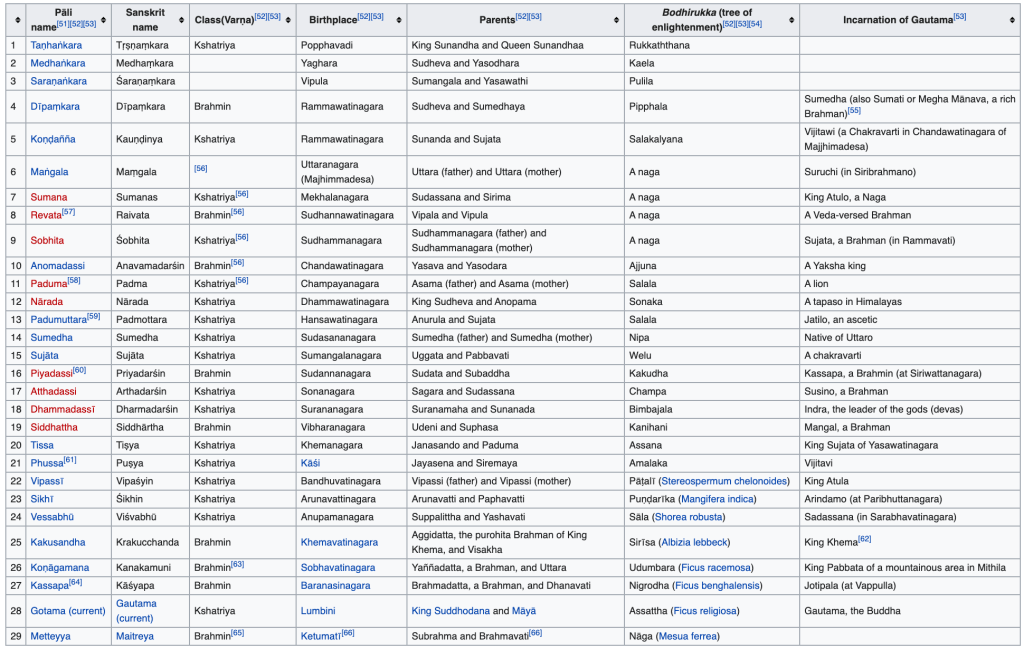
The gallery of trees below shows best guesses at anything I could find about trees listed (but not linked to by Wikipedia) for some of Buddhas 1-21. They are captioned with the number of the Buddha, followed by tree name listed in Buddhavamsa, then by common and/or latin tree name for the guess and link to source(s). Also included are tree images for Buddhas 22-29 (as linked to by Wikipedia.)
What can trees teach and help with right now? Stillness? Resilience? Effortless nourishment? Standing in your power? Giving and receiving? Majesty? Flexibility? Firmness? Want of recognition? Growth? Decay? Renewal? Earth connection? Wisdom? Mystery? Beauty?
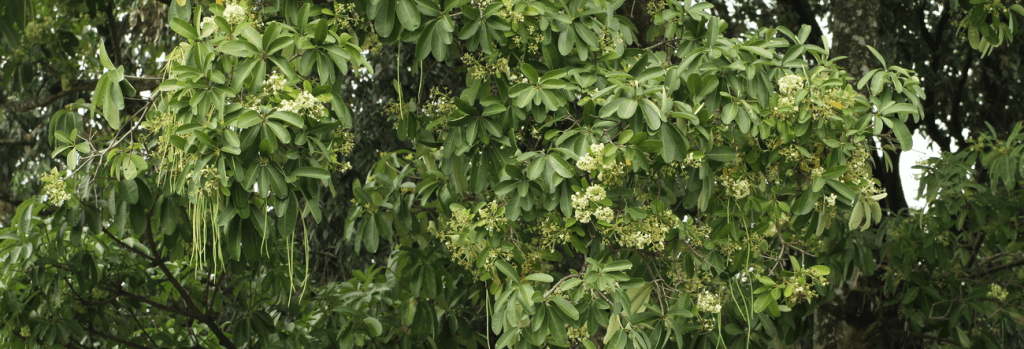
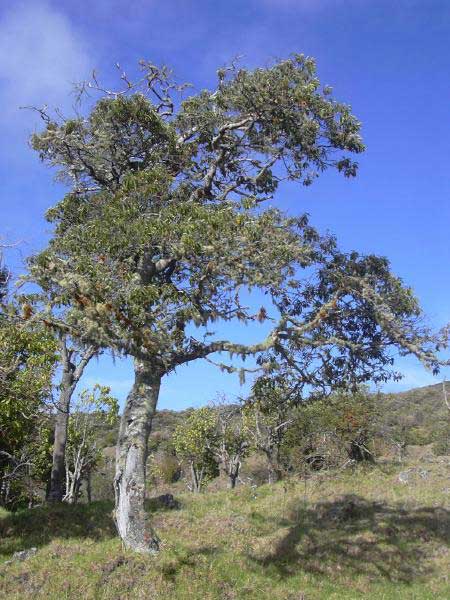
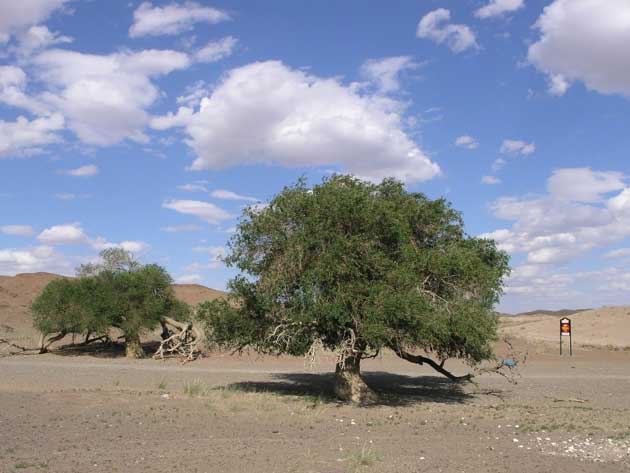
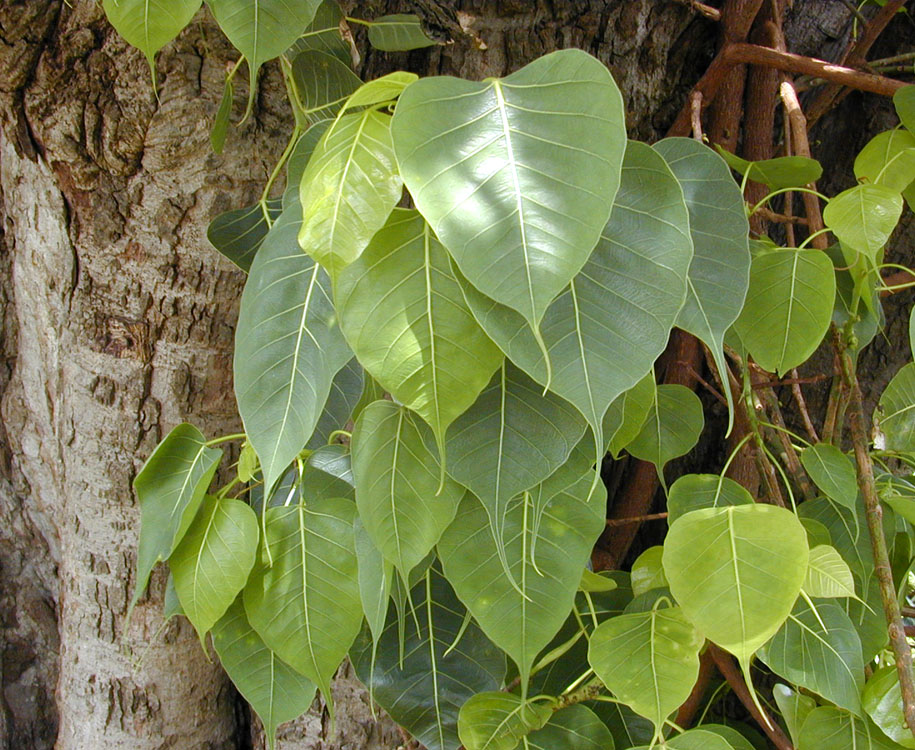
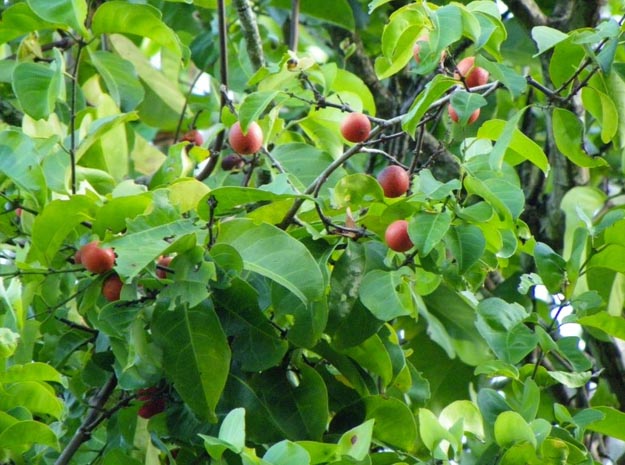
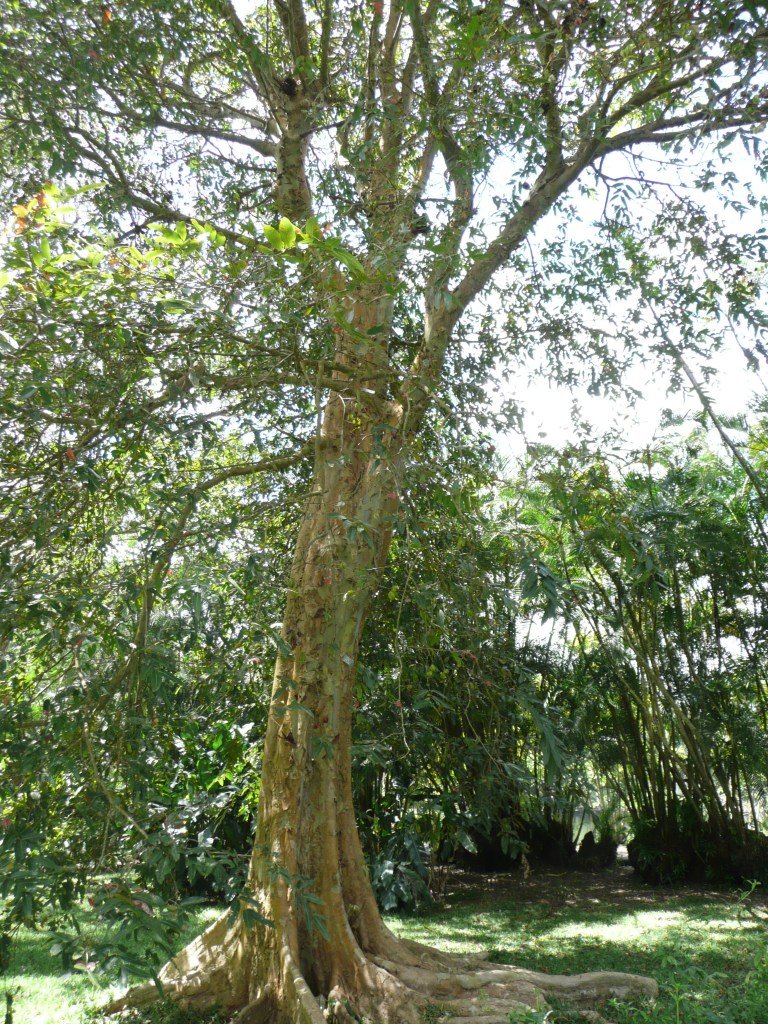
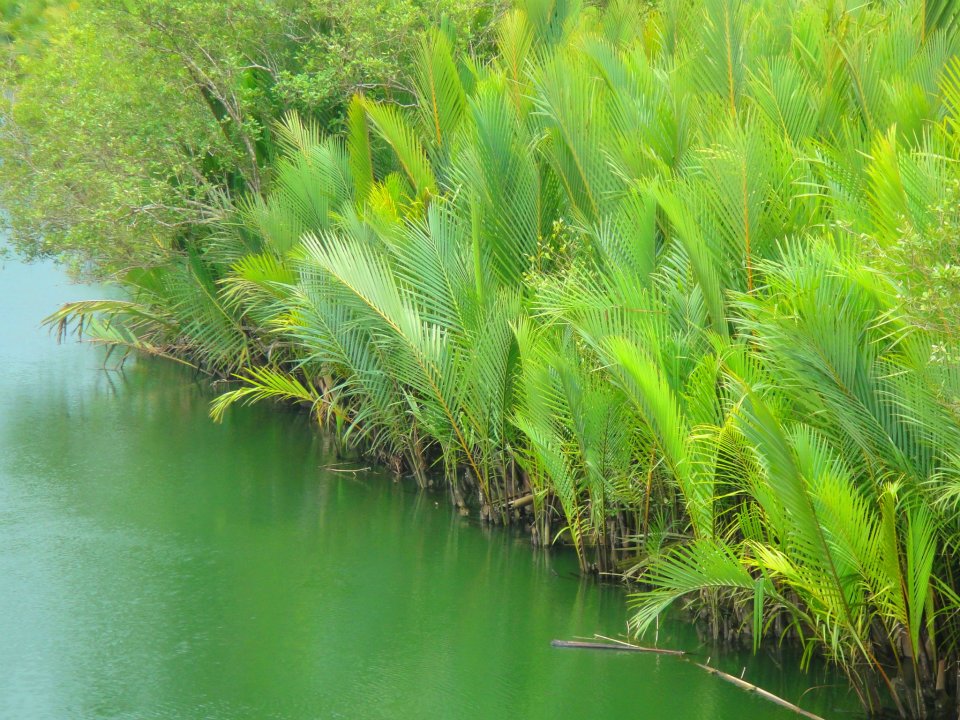
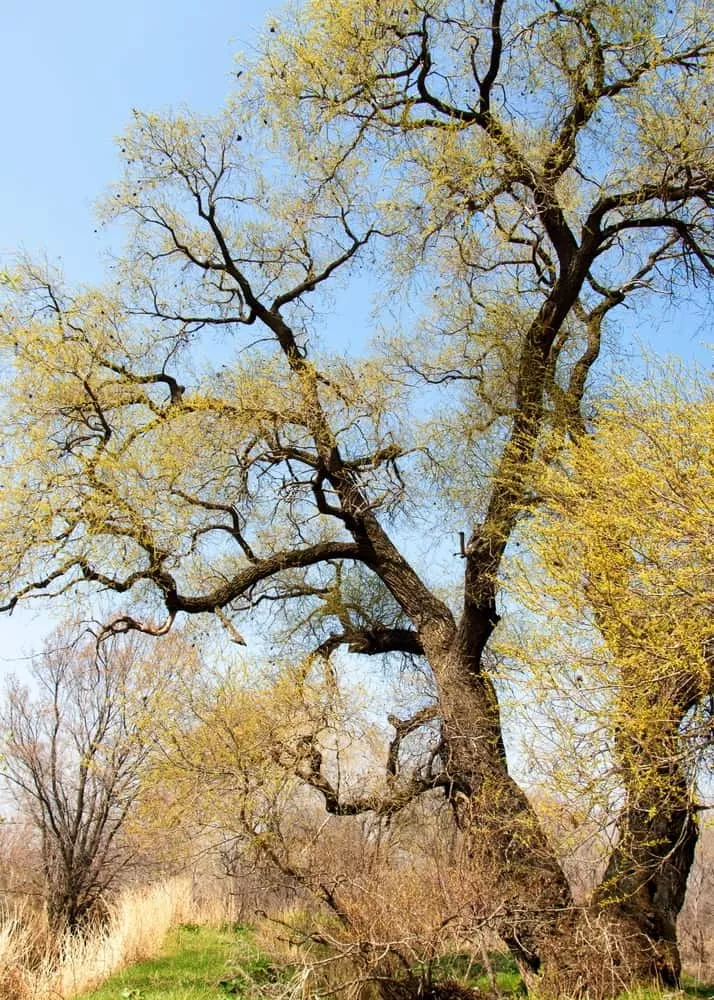
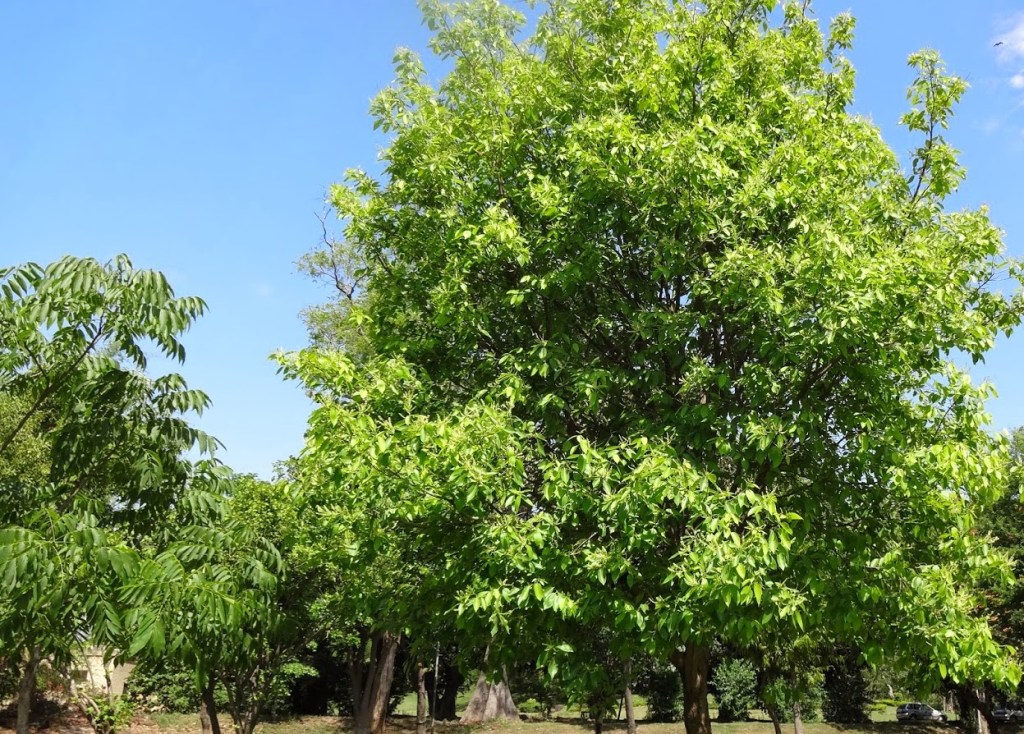
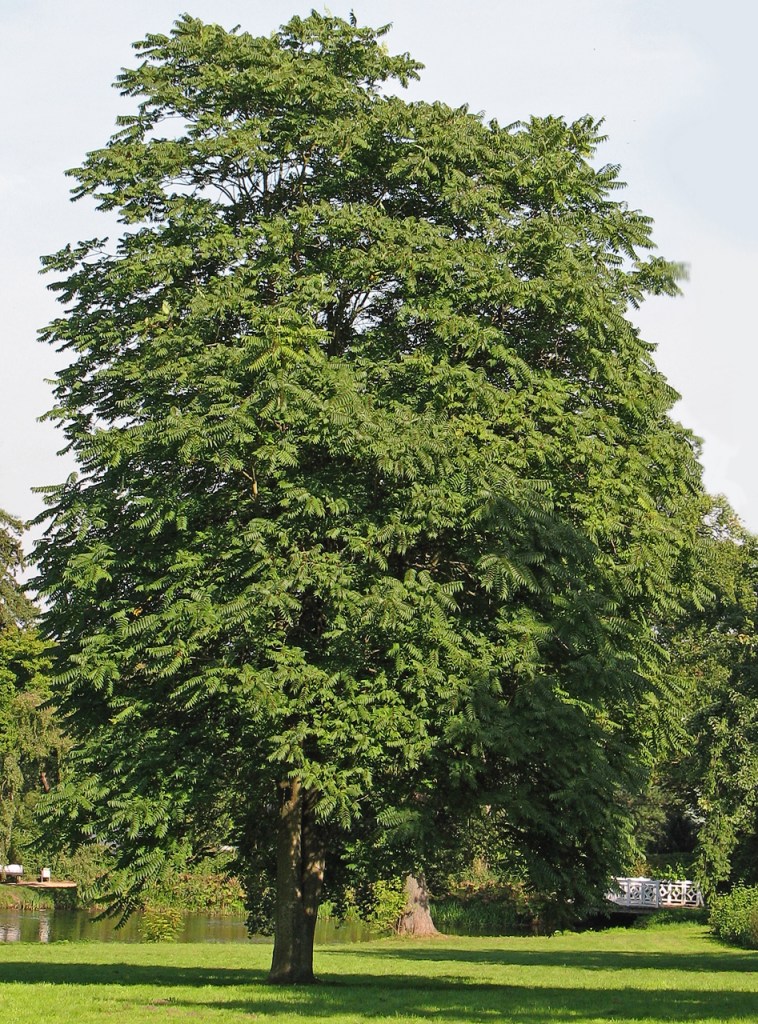
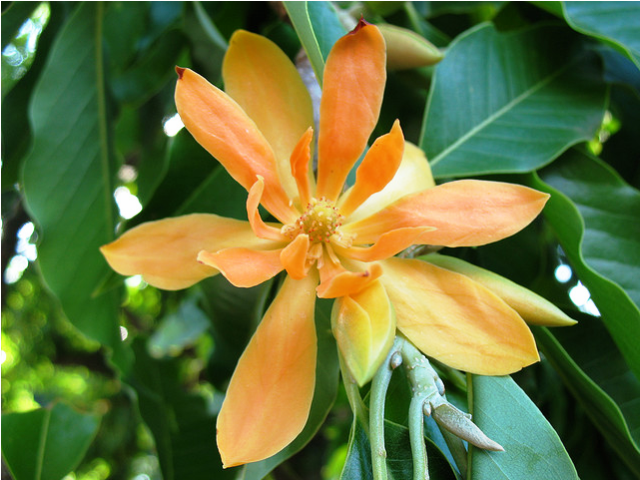
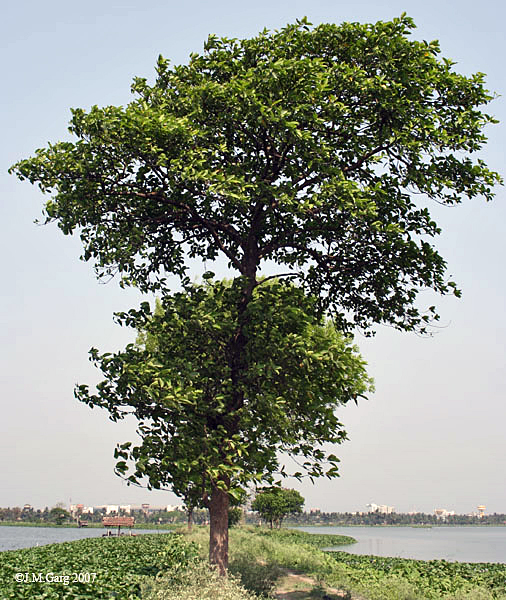
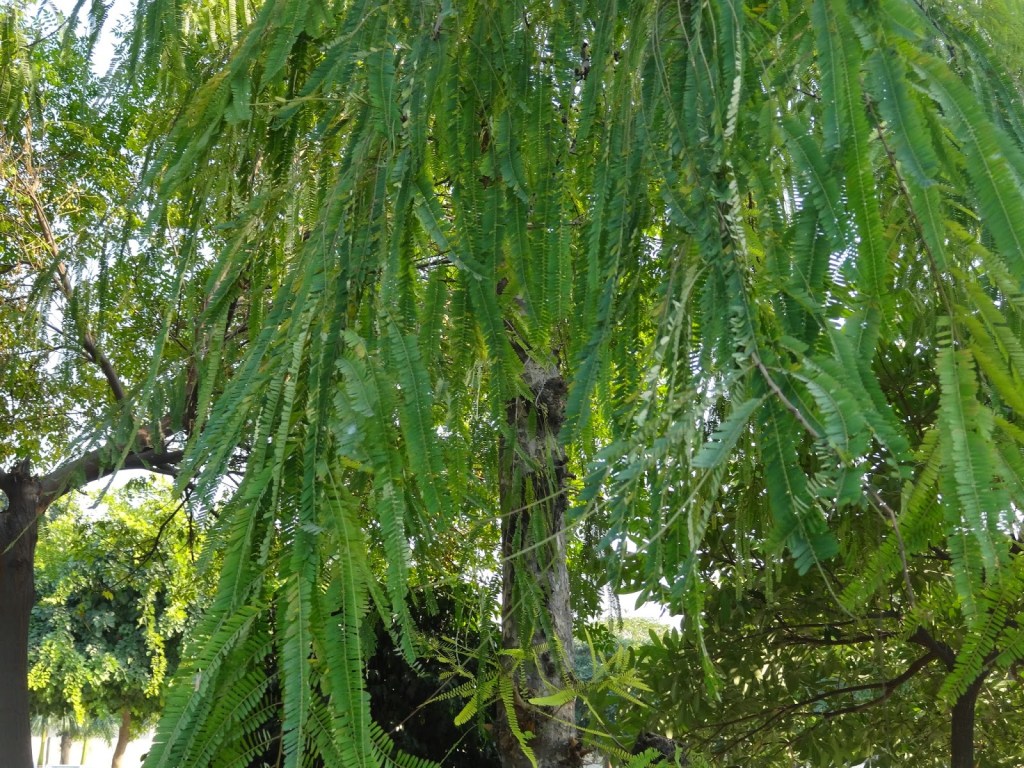

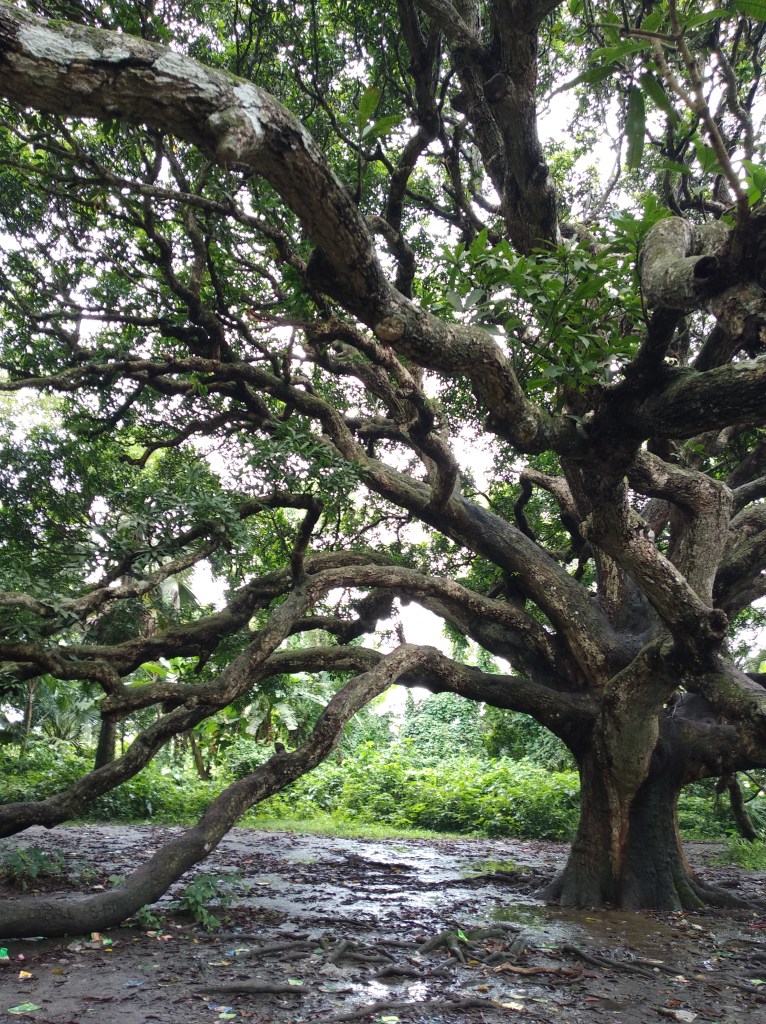

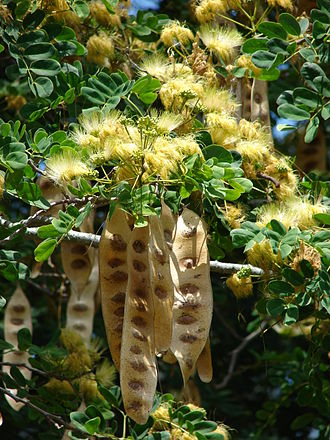
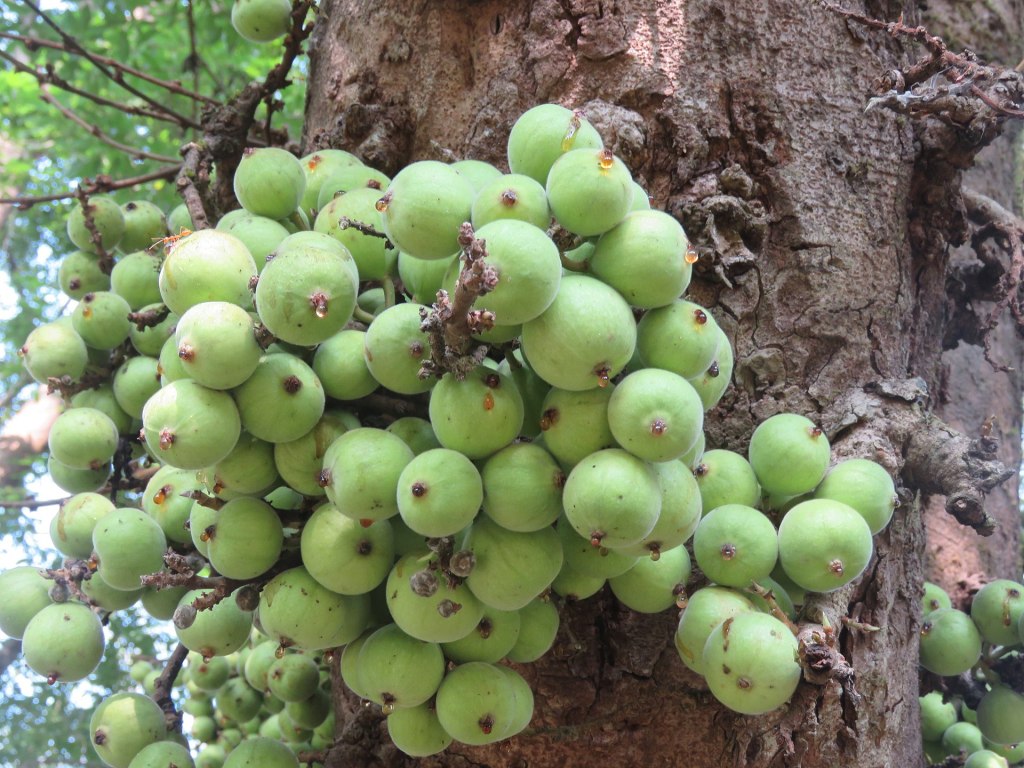
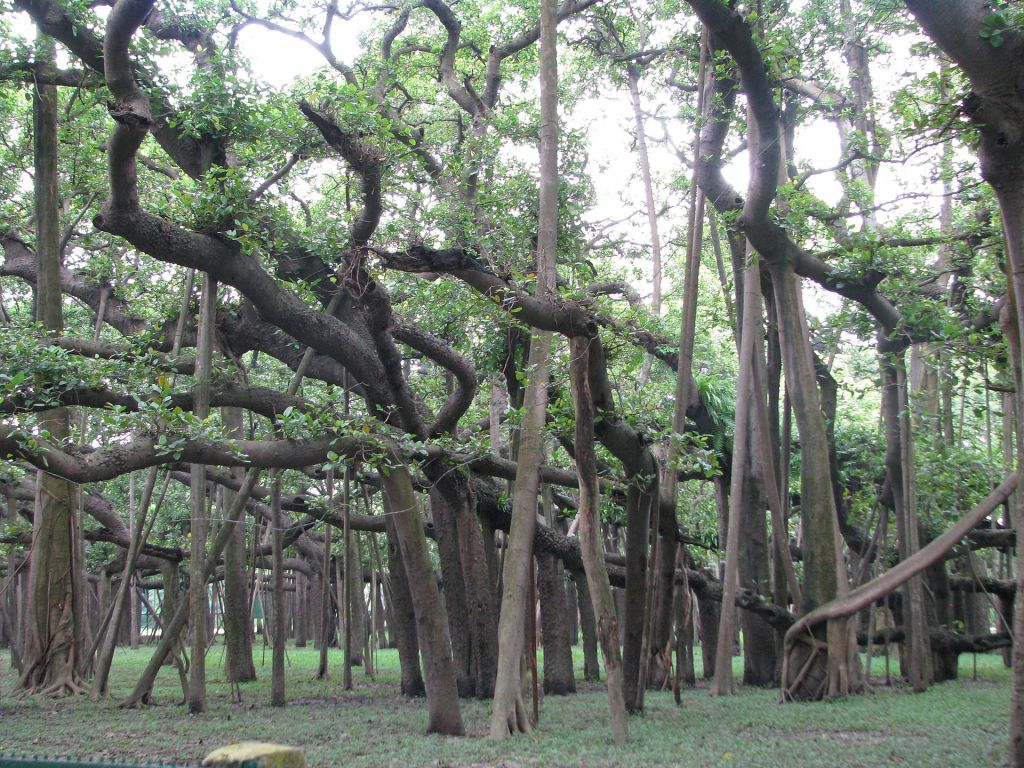
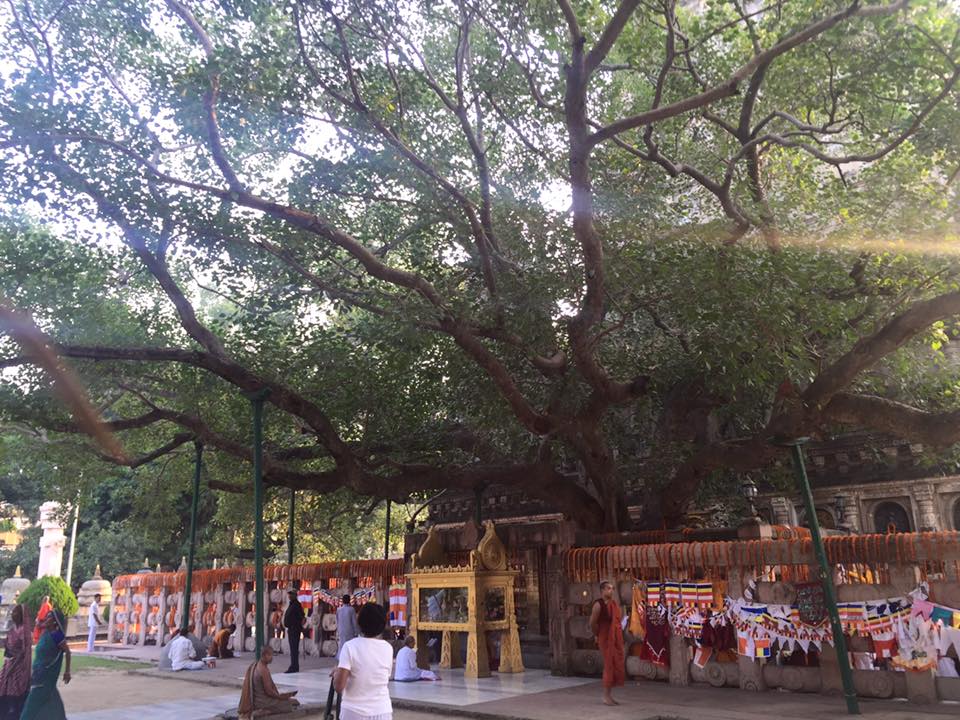
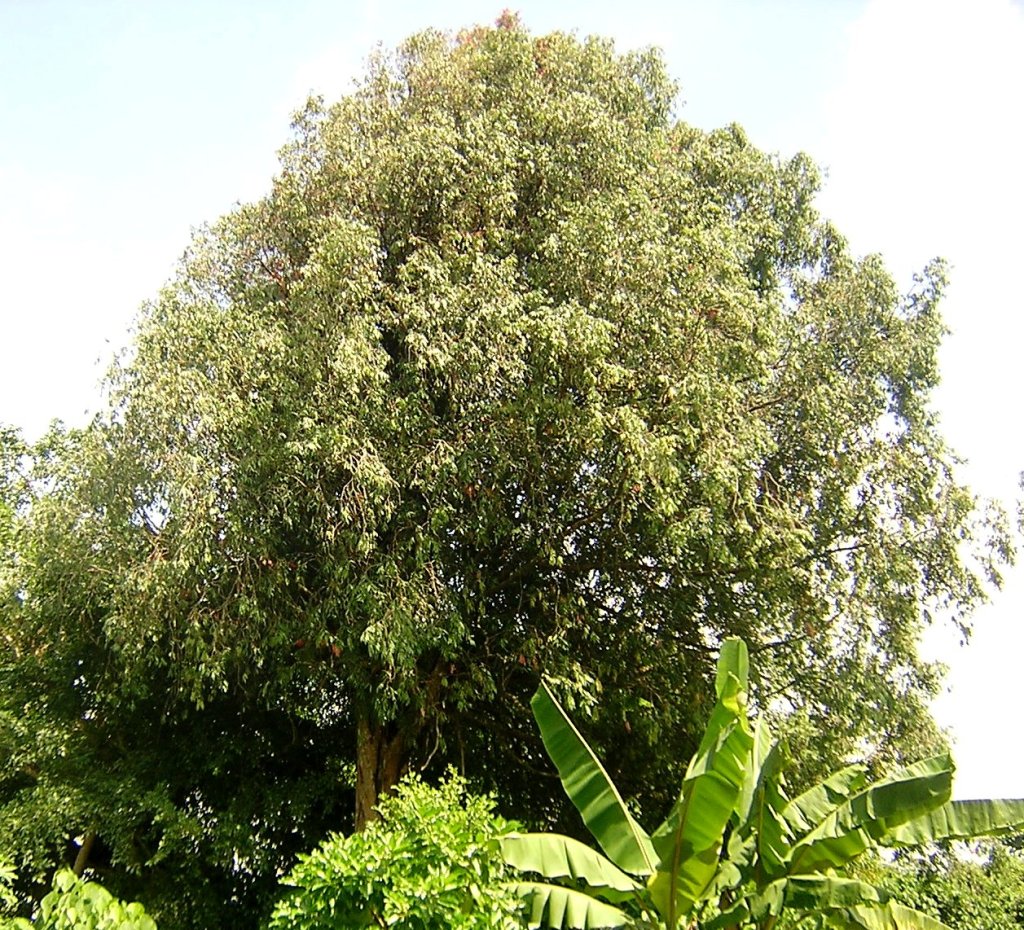
The Great Trees Chapter 1:14 from the book THE BUDDHIST COSMOS: A Comprehensive Survey of the Early Buddhist Worldview; according to Theravāda and Sarvsātivāda sources By Punnadhammo Mahāthero
Please get the book to help support the Buddhadhamma:
1:14 THE GREAT TREES
Seven of the locales within the cakkavāḷa are graced with a great tree which lasts for the entire kappa (AN-a 1: 322, Eng. 1: 333). Each of these stands one hundred yojana high with a trunk fifteen yojana in girth and foliage extending for a hundred yojana around (Vism 7.43).
1. Jambudīpa (The Great Jambu Tree)
The great tree of Jambudīpa is the Jamburukkha. The name can refer also to a common tree, the black plum tree, Syzygium cumini.[89] It was, for example, under one such tree that the young Bodhisatta Siddhattha experienced jhāna while his father, King Suddhodāna, performed the ploughing ceremony. The shadow of this tree stayed miraculously stationary to provide shade to the young prince throughout the afternoon (MN-a 36).
The singular great Jamburukkha is sometimes called Mahājamburukkha to distinguish it from the lesser trees (e.g. SN-a 47:13 & Dhp-a 14:2). The island-continent of Jambudīpa takes its name from this great tree, which is its emblem (saññāṇabhūtā) (AN-a 1: 322).
The location of the Jamburukkha is deep in the Himavā (AN-a 1:322), most probably on the upper reaches of the Gaṅgā, which is the source of all the major rivers of lower Jambudīpa. This is implied in a passage describing the origin of Jambu gold, a special high-quality gold panned from rivers, renowned for its colour and lustre:
“Jambu gold is found in the Jambu River. Where the great Jambu tree, with its fifty yojana branches, grows there flow many rivers. Onto both banks of these rivers fall fruit from the Jambu tree. From these fruit there arise golden shoots. The water of the rivers carries these shoots down all the way to the sea and this is known as ‘Jambu gold’ (jambonada).”[90]
When the Buddha was staying with the fire ascetic followers of Uruvelakassapa, he displayed several miracles as a prelude to converting them. In one of these, he fetched in an instant a fruit from the Jambu tree “after which Jambudīpa takes its name.” He offered it to Uruvelakassapa, saying that it had “superb colour, superb aroma, superb flavour,” but the ascetic declined, not feeling worthy of such a gift.[91]
2. Uttarakuru (The Kapparukkha)
On the island-continent of Uttarakuru, which is a kind of earthly paradise,[92] the great tree is the Kapparukkha. It is not possible to identify this with any known species.[93] The name indicates that it lasts for an entire kappa, a characteristic it shares with all the great trees.
There are many kapparukkhas growing all over Uttarakuru, perhaps meant to be scions of the original great Kapparukkha. These trees provide the necessities of life to the inhabitants of that land; clothes, ornaments, and foodstuffs hang down from the branches (AN-ṭ 9, 21). This has led many modern translations to refer to them as “wish-fulfilling trees.”
Devas too are said to take clothes from kapparukkhas (Sn 3: 11). The fabulously wealthy Jotika, who married a maiden of Uttarakuru, had one of these on the grounds of his estate, from which he made gifts of fine clothes to the people of the town (Dhp-a 26:33). In Buddhist countries, offerings made to the saṅgha are sometimes hung on a small model of a kapparukkha.
3. Aparagoyāna & Pubbavideha
The great trees of the other two continents are no more than names to us:
- Aparagoyāna: The Kadamba tree, identified by the DPPN with the species Nauclea cordifolia.
- Pubbavideha: The Sirīsa tree, identified with Acacia sirisa (AN-a 1: 322).
4. Tāvatiṃsa (The Pāricchattaka Tree)
The great tree of Tāvatiṃsa, the realm of the devas situated at the summit of Mt. Sineru, is the Pāricchattaka. This tree is identified with the earthly species called in Pali koviḷāra, which according to the DPPN is the Bauhinia variegata. This tree is remarkable for its lovely orchid-like flowers, and indeed the flowers of the Pāricchattaka tree seem to be its most important feature.
The origin of this tree is explained as being due to the powerful kamma of a man called Magha. In very ancient times he, together with his thirty-two companions, did meritorious deeds on earth. Because of these deeds, they were reborn as Sakka and the other devas of the Thirty-three. One of Magha’s righteous acts was the planting of a koviḷāra tree and the placing of a stone slab underneath it. By the power of this kamma, the one hundred yojana high Pāricchattaka Tree appeared in Tāvatiṃsa, together with Sakka’s throne, the paṇḍukambalasilā, a huge stone slab described as being under the shade of the great tree.[94]
The Blossom Festival
The Pāricchattaka Tree blossoms once a year; however, we can infer that by this is meant a celestial year or one hundred earthly years.[95] The various stages of the budding flowers are eagerly watched by the devas, and each new development is an occasion for rejoicing (AN 7: 69). The arrival of the fully blown flowers marks the beginning of a festival. The flowers are very beautiful, as radiant as the newly risen sun, and visible for fifty yojana away. Their heavenly scent carries one hundred yojana.
The flowers do not have to be cut—winds arrive which sever the stalks of the flowers and blow them toward the Sudhamma Hall, the assembly place of the devas.[96] Other winds sweep away the old dried flowers and strew the fresh blossoms around the seating places. The pollen from the flowers covers the bodies of the devas with a golden powder so that it is as if they were painted with lacquer. For four months, the devas play in this blossom festival, striking one another with the flowers (AN-a 7, 69 & DN-a 19).
As stated above, the devas do not have to labour to harvest the flowers, but sometimes they climb into the tree and pluck them for fun, making garlands of them. A story is told of a named deva, Subrahmā, who went with one thousand accharās (“nymphs”, a class of minor female devas) to the Pāricchattaka Tree. Five hundred of the accharās climbed into the tree to make garlands, having first used the power of their minds to make the tree’s branches bow down to receive them. In the denouement of this episode, all of these female devas die and are reborn in niraya, causing Subrahmā in his distress to seek out the Buddha (SN-a 2:17).
Significance and Metaphor
The blossoms of the Pāricchattaka Tree are important emblems of Tāvatiṃsa:
- A Heavenly Sign: In one story, Sakka gives a flower to an earthly woman whom he had transported to Tāvatiṃsa as a sign that she had really been there (Jāt 531).
- Royal Parasol: In another story, the hermit Nārada used a Pāricchattaka blossom as a parasol near Lake Anotatta. When three daughters of Sakka accosted him—claiming these “noble immortal” (amaravara) flowers were only for devas—the fact that Nārada used one as a sunshade demonstrates that Pāricchattaka flowers are huge in human terms.[97]
- Pavāraṇā Ceremonies: At the end of the earthly rains retreat, devas travel to the human realm “with Pāricchattaka blossoms and divine sandalwood in hand” to attend the Pavāraṇā ceremonies invisibly (DN-a 19).
- Honor to the Buddha: The tree’s glory is used as a metaphor for the halo around the Buddha’s head (MN-a 11). When the Buddha entered parinibbāna, the devas showered down Pāricchattaka blossoms onto his body.[98]
5. The Asura Realm (The Cittapāṭalī Tree)
In the asura realm, the great tree is the Cittapāṭalī (SN 48:69). Their realm is in many ways a distorted reflection of Tāvatiṃsa. Having been cast down the slopes of Mt. Sineru in primordial time, the asuras forever make war upon the devas to regain their kingdom.
The Cittapāṭalī Tree superficially resembles the Pāricchattaka Tree. When the asuras were first cast down, they did not realize they had left Tāvatiṃsa until the Cittapāṭalī Tree bloomed:
“We are not in the deva world. In the deva world, there are Pāricchattaka flowers. Old Sakka has made us drunk and cast us down into the great ocean.”[99]
The Pāricchattaka and Cittapāṭalī Trees blossom simultaneously but have distinct flowers (Dhp-a 2:7). Whenever their tree blooms, the asuras are reminded of their loss, become enraged, and swarm up Mt. Sineru to wage war (AN-a 9,39). The DPPN identifies the Cittapāṭalī as the “(pied) trumpet-flower,”[100] corresponding to Stereospermum chelonoides, a tree native to India.[101]
6. The Supaṇṇa Realm (The Simbali Tree)
The supaṇṇas are gigantic birds living halfway up Mt. Sineru in a grove of simbali trees.[102] Identified as Bombax ceiba (“silk-cotton” or “kapok” trees),[103] their great central tree is also of this species (AN-a 1: 322).
Conclusion
Trees hold a central place in Buddhist literature. The Buddha was born under a Sal tree (Shorea robusta), attained full awakening under a Bodhi tree (Ficus religiosa), and passed away between a pair of Sal trees.[104] It is fitting that these seven key realms within the cosmology—the four island-continents and the three realms of Mt. Sineru—are each anchored by a majestic, age-enduring tree serving as its emblem.
Footnotes
- [89] The jambu tree has often been misidentified as the “rose apple tree,” Eugenia jambos or Syzygium jambos in PED, etc. But Wujastyk (2004) has convincingly made the case for Syzygium cumini which, unlike the rose apple tree, is indigenous to India.
- [90] AN-a 4:6 for the fine quality of Jambu gold, MN-a 120 for its origin.
- [91] Vin Mv 1. The story as related in GGB p. 411 includes a statement that the Jambu tree is located “at the tip of” Jambudīpa. I have been unable to trace this statement in the original sources.
- [92] But a qualified one, see § 3:1,3.
- [93] DPPN says it is “sometimes a fig”. The Kalpavṛkṣa (the Sanskrit form of the name) is known in Vedic lore as the wish-fulfilling tree raised up by Vishnu at the churning of the ocean. See Britannica Library, s.v. “Churning of the ocean of milk,” http://library.eb.com/levels/referencecenter/article/82582, accessed January 9, 2017.
- [94] Dhp 2:7—for more on Magha and Sakka see § 3:5,16.
- [95] For celestial years in Tāvatiṃsa see AN 3:71, (eng. 3:70).
- [96] The winds are named in the Pali as the “cutting wind”, the “sweeping wind”, the “spreading wind” etc.
- [97] But so are the devas, see § 3:5,9.
- [98] DN-a16. The sutta says these were mandārava blossoms, which the commentary equates with the Pāricchattaka flowers.
- [99] Jāt 31. See also SN-a 11:1, Dhp 2:7 and MN-a 37.
- [100] DPPN s.v. “citta 1”.
- [101] Dhammika 2018:127.
- [102] The supaṇṇas are described in § 3:2,5.
- [103] Dhammika 2018:185.
- [104] See GGB.
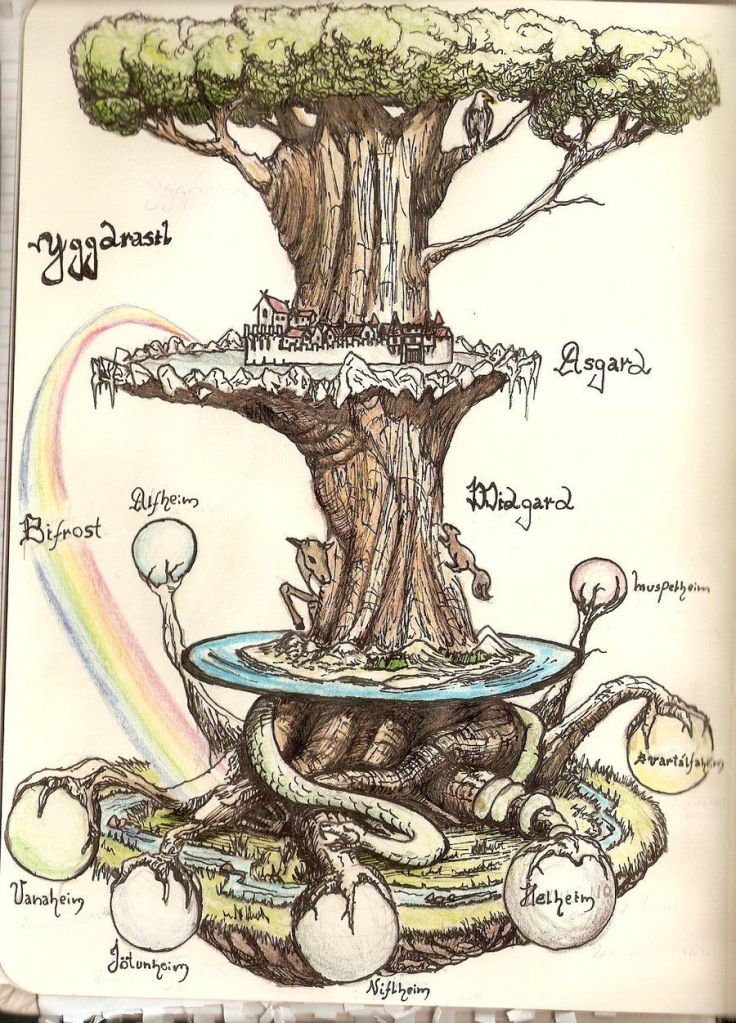
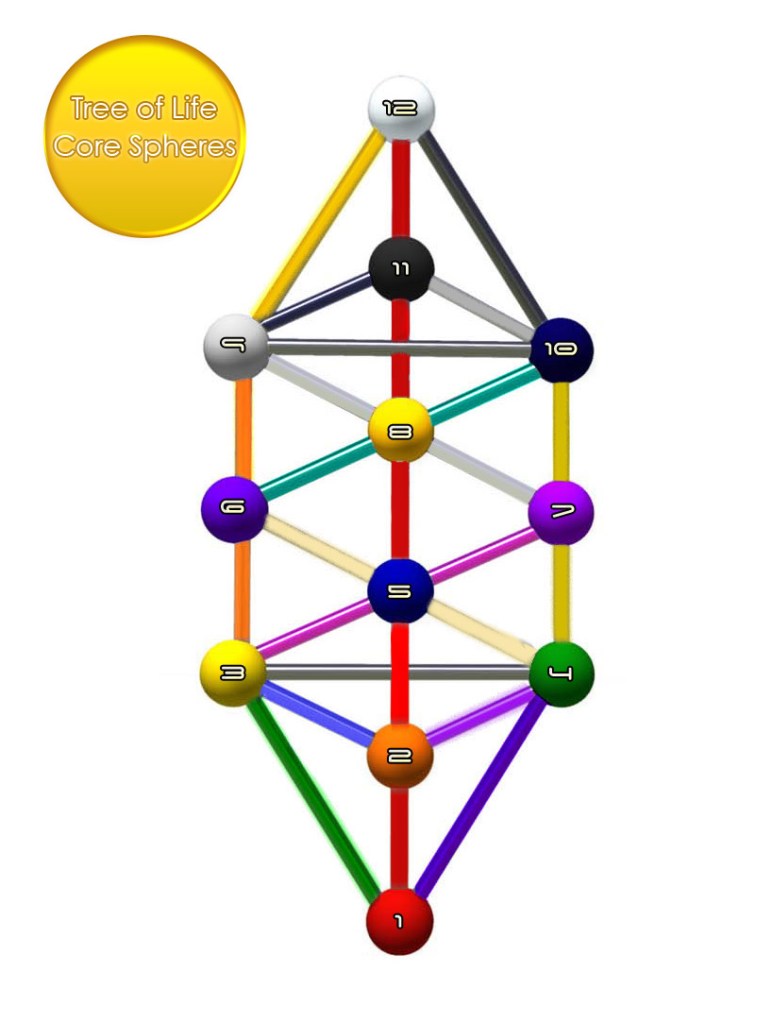
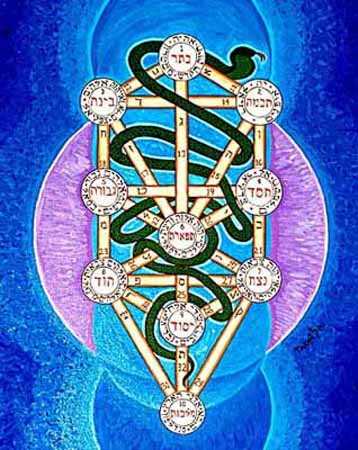
Some other (legendary) trees:


 Integrating Presence
2 thoughts on “Historical Trees of Enlightenment”