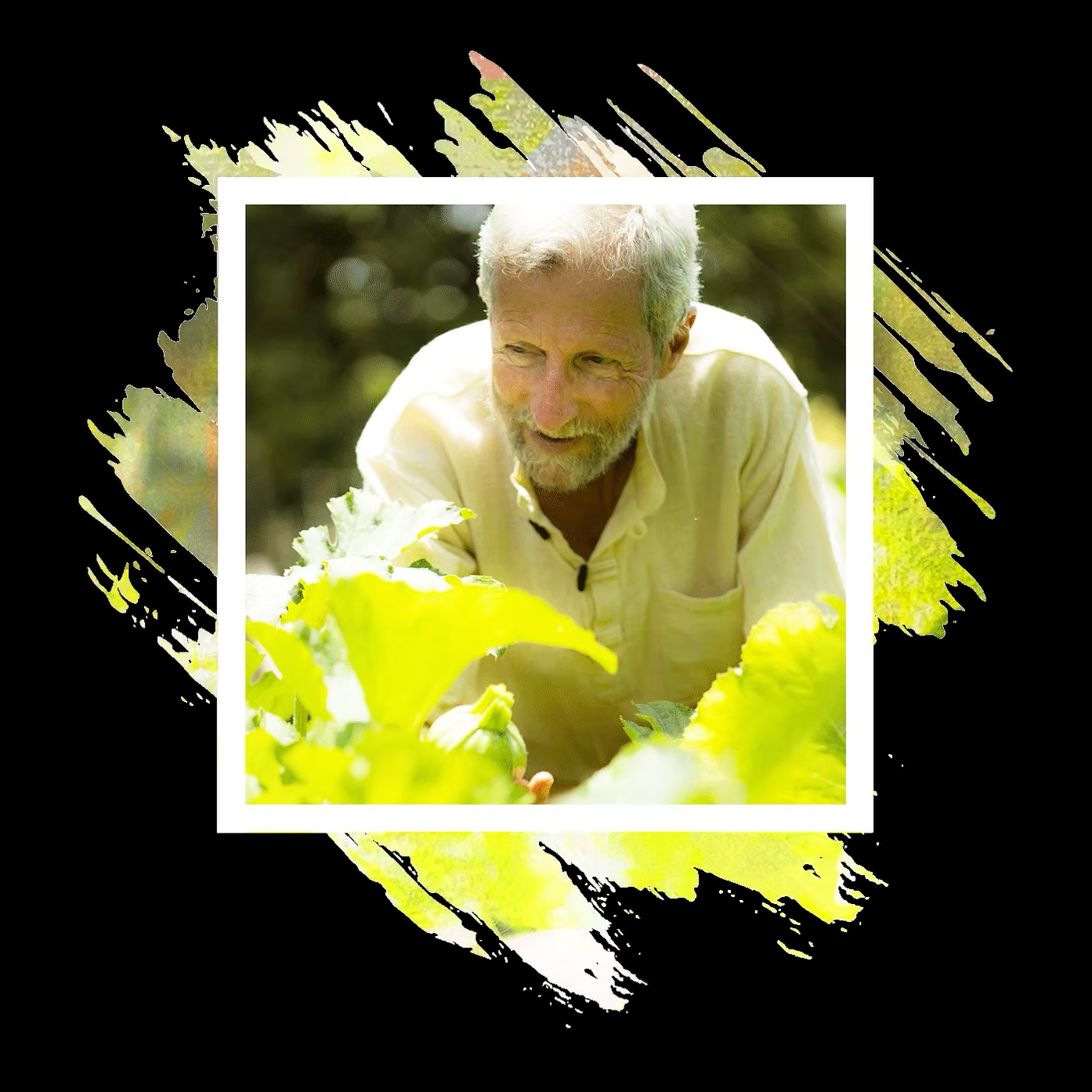
(Ai basically summarizes thus:) In the premiere episode of this Anapanasati (Mindfulness of Breathing) series I welcome renowned Dharma teacher Stephen Fulder. Drawing from 50 years of practice, Stephen shares his journey discovering Dharma in India during the 1970s, founding Israel’s Insight Society, and teaching amid conflict. He offers a heartfelt, unstructured approach to Anapanasati, emphasizing breath as a simple, direct gateway to body, feelings, mind, and Dharma—mapping it lightly to the Four Foundations of Mindfulness without rigid steps.
Key insights include celebrating impermanence as liberation, balancing effort with trust (saddha), and awakening feminine qualities like allowing (yoniso manasikara). Stephen highlights breath’s role in thriving through hard times, fostering kindness, and connecting to life’s web. He also discusses his new book, How to Thrive in Hard Times, and upcoming online events. Perfect for practitioners seeking practical, inspiring guidance on breath meditation.
And these reflective questions for deepening:
- “Can you sense who’s in charge of this breath or who’s breathing?”
- “What is the breath, is it a thing or is it a mystery?”
- “What’s the celebration, the joy in the being as we breathe?”
0:00 – Introduction & Welcome: Stephen’s sense of blessing amid hard times.
2:00 – Who is Stephen Fulder?: Mystery of self, Dharma journey, founding Israel Insight Society.
5:00 – Discovering Dharma in India: Psychedelic roots, Goenka retreats, and grounded practice.
10:00 – Anapanasati Overview: Unstructured approach, breath as garden gate, body as entry.
15:00 – Mapping to Four Foundations: Breath with body, feelings, mind, and Dharma insights.
20:00 – Impermanence & Liberation: Observing arising/ceasing, dispassion, and letting go.
25:00 – Breath in Everyday Life: Trust (saddha), feminine awareness, thriving in conflict.
30:00 – Closing: Breath’s role in peace, book/events mention, and well-wishes for awakening.
https://www.facebook.com/StephenFulderAwakenNow
https://www.instagram.com/stephenfulder/
https://www.youtube.com/@DrStephenFulder
https://insighttimer.com/stephenfulder
Audio: Mystery, Mindfulness, Liberation & Everyday Dharma | Anapanasati Series Premiere With Stephen Fulder

Or listen via Insight Timer (app or website)
Unedited transcript via YouTube:
record button here. Wholeness, welcome. This is Josh of Integrating Presence and today I have
Stephen Fulder with me today. Stephen, how’s it going today? Uh fine. Really okay. I feel uh blessed
day by day even though times are really hard but uh I don’t take it too
personally. Um and uh life is still a blessing.
Well, cool. And that’s the way I feel most times when I’m um have a lot of stuff cleared out of the way. The reason
I reached out to Stephen today, if that’s okay, I haven’t called call you that even though you’re a doctor, right? Too. Um
it’s it’s true. Yes. Yes. Okay. So um I want to do a series
on anapanosati since it’s been my primary practice for the past couple years and I just wanted to reach out to
different teachers lay monastic just to get other perspectives and maybe tips
and uh techniques uh foundations anything that anybody wants to share
about it I want to give a space and learn from that but I want to keep with
my standard format here to start off. Who is Steven and what kind of work does he do?
Thank you. I have to say Steven is an utter mystery after being in this body for
nearly 79 years. Um Steven is uh actually it’s just a label.
I don’t feel full of the Stevenness.
Um uh I’m Jewish. So I remember asking my father one day is this finger Jewish
one how do I know and it’s a bit like that with the Steven is this finger Steven or not so after
basically 50 years of uh practice in the dharma
which I met in India as um an academic actually I was teaching in Indian universities in 7576
um and I met the dharma there and then I’ve been very engaged with the dharma.
Came actually to Israel by more or less by accident. Karma sort of dumped me in
Israel and I found myself in the beginning of the 80s as the only Buddhist in Israel except I heard that
uh um that the prime minister uh Bengurion
also had been in Burma and said I know how to do bipassa.
But anyway, uh then I started the Israel Insight Society uh which has become
basically the biggest organization in Israel for practice of I would say practical dharma, mindfulness,
awareness, meditation and the and the real deep practice of dharma. Um so I’ve
been practicing and teaching for the last 30 years writing books etc. Um, and
uh, Steven, as I say, is this mystery of I tell you why it’s mysterious. Because
labels don’t really do the job. They’re just another mind. They’re just another
concept. And I’m I’m celebrating the concept. I can celebrate the concept of
Steven, but I don’t believe it. When I look out of the world, I don’t
look out with eyes of Steven. I look out with the eyes of life that looks at
life. It isn’t Steven looking at life. It’s life looking at life. So I have to
say that as a kind of a a caution in relation to that word, this person
that’s beautiful and I always kind of say, well, labels are helpful at times. We pick them up, but we know when to put
them down and to know that they’re just labels, right? So yeah, you beautifully
illustrated this and um glad you did the way you did there. I am curious um how
you discovered Dharma in India and I’m a little bit embarrassed that um when I was looking for suggestions on who to
interview, I asked the AI now that’s a whole another thing and your name came and I didn’t um didn’t immediately know
it. If I if I think back, I might have heard something on um uh Dharma Seed um
years ago. I don’t know. Maybe I’m wrong though if you’re if you’re on there or not. But but either either way um I I’m
curious. I’m usually curious what I when I stay in monasteries, you know, I’ve um
been in like Emravati and um and uh Chihurst in England and I ask people and
practitioners and Gaia House too. I saw in your bio you’re um you’re you’re somehow involved with Guy House thick
too like how did you come to the Dharma and I’m interested in India how how you got drawn there and what you encountered
there uh really briefly as a reference and then I I think maybe your background I saw that as a I looked in briefly as a
scientist right and how that might all play into this before we jump into anapana. Okay. So, um, India
in a way before India, I was one of the kind of British, uh, early psychedelic
hippies in the 60s. Uh, and, um, so I’ve been at Enchantage
and really, um, attracted to the writings of Alders
Huxley, Alan Watts before that, the Beatles, it’s my generation.
Um and um and I went to India because I loved the idea of India from all of that
and I was totally captivated by I was living I was teaching Bernar Hindu University but actually living right on
the Ganga and every day I would jump in the Ganga and swim there and hang out with all the crazy sadus and so on. So
those are enchanted by Indian spiritual life as the intensity of it in daily
life as not something which is kind of esoteric and beyond. But then just before I left India I
realized I actually need a practice. I’m not a Hindu. It’s hard for me to get into the Hinduistic practice it was at
that time. So I found um Goena my first teacher and uh I did courses in India
with Goena and after that many many GOA style uh retreats with mother sama and
others um in the UK. So my it was really the love of
something that’s very very real and it does connect with your question about
anapanosati very real very grounded doesn’t need a
whole kind of cultural bible around it of um I would say historical cultural
teachings that obscure the ground that the basis has to be really really simple
and I found in the dharma something that was kind of very very attractive, very simple, very direct, very deep and
endless, but a doorway that you could go in. You don’t have to have beliefs and
gurus and all of that before you can open the door. The door is always there. So, it didn’t have much to do with my
science. My science I’ve been actually practicing um 40 years I was working with science,
but in a different way. I work with science as a way of remembering lost
knowledge. So I would especially the in therapy in herbs I was very much
connected to the herbal movement. You might not have seen me in Dharma seed
because I teach intensively in Israel and in the Middle East not only Israelis
also Palestinians. Um, so I’ve been I mean I teach eight or
nine retreats in the year three endless courses all the time online, endless
talks, meetings, one-day events. I’m still teaching very very intensively, but it’s mostly here in Israel where I
am. It’s a full-time job in a way. So I haven’t been teaching much abroad. I I
have been, of course, I’ve been at tours of the States. I’ve been teaching at Spirit Rock and all over, but I’m just
so busy here that I’ve not really uh kind of um been teaching intensively
abroad. So, that’s why probably uh AI doesn’t see me as a sort of spirit rock
teacher. That’s all. Well, I’m I’m glad I it came up though
because yeah, I’m familiar with a lot of those teachers that that that teach there are in the insight community, too.
And there’s so many wonderful ones and I’ll just name Gil Frondale for one that I’ve learned so much from and really
impressed with his teaching. I’ve met haven’t met him in real life but spoke to him at an event but but anyway so
yeah this is beautiful uh what you say say about the d the dharma the dharma
and how you came to it and I meet meet even though I haven’t done a goinka retreat myself I meet a lot of
practitioners who have or are or a number of them anyway and who speak very highly of it too now there’s this notion
of um yeah the the the plant medicine and I you know interestingly enough when
I came to um uh I don’t know things beyond like the base program everyday
world. I listened to this psychedelic salon podcast years ago before I even got into meditation and it’s it’s it’s
it’s interesting things but I saw your work on uh a book about like ginger and
gensing you know these are these are wonderful things I mean anyone has been to England I mean usually you see or the
retreat centers there’s always like lemon and ginger uh not always but a lot of times available and jins sing when I
was in South Korea this was something that was brought out when there was kind of uh just different needs for it to
some but anyway I don’t I don’t want to I want to digress here a little bit but these things I guess are connected and
and and interplay but I don’t know if we want to talk so much about that but Anapana now let’s get into that um I’m
still like there’s what 16 I don’t know steps or stages and I’m saying I’m
staying pretty much because I’m in the Pac system teacher is in Pacidal lineage
and that’s where I’m at Now, so they uh usually start a lot of practitioners in
the samata phase. Um and it’s basically the first four stages of
anapana that will play into um this the samata practice as far as I know there.
But I’m a little bit familiar with some of these steps, but uh as far as how deep one goes into each one. Um, so I
guess I’ll just throw it over to you to start wherever you want with Anapon and what what you want to say about it like
from anywhere from how you teach it, how you understand it, maybe common misconceptions you see, uh some of your
teachers and how they v it could be anything. Yeah. So I’ll just let you turn it over to you.
Sure. Sure. So um uh I hang out with some of the really
great teachers you mentioned Jill. I just Jill Frondale I was talking to him last week and uh um
I’ve always known about the um anapanosati suta the actual text on the
16 stages but a little bit avoiding the sense of the structure of it because my
um approach has been to see to to allow the primary
and fundamental nature of mindfulness of breathing anapanasi
without going into the 16 stages although many of them are going to be there spontaneously and naturally.
So when I teach it I kind of don’t go through uh step by step which I think is
in a way a little bit male if you don’t mind the expression. It’s a little bit male like kind of the the Buddha is a
doctor and here is the stages and you go through 1 2 3 4 like going back back to school a little bit like that huge huge
resource undeniable but I don’t stick to the uh the structure however
the structure does have something very important to say which is suppose you
take mindfulness of breathing as your ground should we say and your ground of
practice then you will go through the sta the four stages or the four steps of
the of the satipana suta you’ll go through the four ground stages because
in a way that’s the n that’s the kind of ballpark we’re talking about we’re
talking about body first and body is not that you
leave it behind when you go to the other stages but body is an entrance gate and
the entrance gate has to be simple and direct and there’s
nothing more simple and direct than this breath you can’t breathe in the past you can’t breathe in the future more than
that it’s natural more than that it’s connected to the world which is not
directly connect in the satipra in the um anapana suta itself but it in it
celebrates your being in the world you’re breathing in the breath of the
trees as you breathe in so there’s it has many dimensions and invitations for realization in a way
right at the beginning in the anapanosati suta it’s rather traditional
that means if you go through all the stages realizations happen uh a bit
later from when you’re working with mind and you’re working with dharma the fourth foundation of mindfulness but in
my view we have to start we can’t wait and in my teaching I kind of try and
invite insights right at the beginning so mindfulness of breathing
h has many many I would say there’s a gate
which is your breath but then there’s a garden when you go through the gate And
the garden it starts right at the beginning I’m breathing in how is this breath where is it what’s it doing how
uh the delicate places of it the subtlety of it the openings that come
and then slowly you go to the next stage which is a very liberating stage itself in a way
feelings it’s not just I feel happy I feel sad it’s
letting fe the release and the the kind of ease that is possible when you
connect the breath to the feelings. It’s the quietness. It’s the the oceanic aspect of breathing. You’re breathing as
an ocean. I’m thinking of Roomie uh Room’s quote uh which is lovely. um when
you breathe in he says um uh well I forget actually the the quote but
he I have it here somewhere but um he says when you breathe in uh don’t need to
kind of concentrate on breath concentrate on the oceanic aspect of the
breath the sense that there’s nobody breathing and then the springtime will
kind of arise into you the energy of spring. Um so it
intuitively breathing in breathing out as your ground will lead you to a different way
of going into the garden. You’ll be calmer. You’ll be more awake. You’ll be quieter. You’ll be more subtle. You’ll
see the small flowers in the garden that you didn’t notice before. You will not be disturbed so much by the thorns.
But but you they will be there in the garden. So you see life in a way through
the entrance gate you begin to see life in a much more subtle and delicate way.
I have to say that you as a power practitioner will be more engaged with
samadi than is generally possible in the mindfulness uh community and the insight meditation
community. And um in I mean I know Shila very well and
she’s been years with Pauok and uh uh I’ve stayed with her in California when
I was doing my tours. Um but I I do feel that uh samadi is
beautiful and janas are possible but not for everybody. And for the the most
practitioners that I teach, they’re quite I would say
ready and interested in the existential
reality of this moment and how they can experience now
a more liberated view of reality. And so I don’t think they can wait
for deep practice of samadi. those that can and I know many that can and I’ve been involved in it myself. Uh I just
delighted and I offer my guidance where I can but
so I I I think that that’s the issue. Now I won’t go into all the stages but
it does move on from there in the anapanasi suta is going into mind states
going into breathing and then knowing and that is part of what I teach. It’s not out but it doesn’t have that
structured sense. So I might say as you breathe in for example can you
sense who’s in charge of this breath or who’s breathing or what is is the breath
a thing or is it a mystery or um
or uh uh what does the whole what’s the the celebration the joy in the being as we
breathe and the sense of appreciation of life it even has that aspect of of of
trust and kindness in it because if we’re connected to the breath then there’s a kindness and a trust in that
moment of connection it happens by itself so it leads you to states of of
the heart as well so all of that is right there but as I say I don’t uh
teach it so much in a in a structured way well this is beautiful I love your your
inspiration and um kind of heartfelt sense and celebration
illustration in the imagery because when I think of the breath, I’m usually bored of it. I take it too literally and I’m
not really inspired by it. And so these this adds a lot of color and inspiration
the way you you paint it and the way that what’s possible conceptually tuning
in to it in different ways. Uh so I really appreciate that. Um yeah and in
the Pak and I’ll just say one of the reasons I switched to this system uh Pak
is because I practicing the Taiforce tradition. I’m going to be forever grateful for everything and the kind of
downto- earthth practicality of the wisdom and heart that is kind of more my
personality and how I operate because I don’t you know that the Pac stuff is really technical and my mind doesn’t
normally operate like that when I’m in a meditative state. So it’s a challenge for me to do this and um but mainly
everything else in the dharma I feel is conceptual and there’s nothing wrong with that. It’s very it can be very helpful but the the reason I switched to
this system is because as far as I know it’s the only way to step by step
systematically get to ultimate materiality ultimate mentality. The rest is just conception. Even the breath
though is is a conception at that at that stage. And it’s um yeah, so the
levels I I have to be patient for these levels of samadei to do that. But I also appreciate the the helps and aids you
give that’s going to breathe more life into my breath practice. I feel now the
other thing you said and I’ve heard people map um anapana to um four
foundations of mindfulness. Can you say a little bit more on how they they map up? Um cuz there’s there’s kind of four
subsets in anapana and there’s you know four levels to to um um
um why am I the four foundations of mindfulness. So is it just basically the fir it just maps you know the first four
of anapana maps with the body the second four map with vana and the the third set
of four map to you know chitta and then the last set to dhamas is that is that
how it works or what would you say about I think so yeah I think so but I don’t think it’s
um I think it does the it’s The integration
is helpful. It shows that the dharma is fundamentally there’s many many
different sutras and directions but fundamentally uh it’s a huge vast structure of
teaching but it does have kind of a a logic to it which is in a way what you
express about yourself um Josh uh but there’s lots and lots of surprises and
and unknowns in all of this for example Um
going to the dharma the fourth foundation of mindfulness
theapan sati suta talks about I will breathe in observing impermanence and
nature and breathe out observing a nature that’s very very basic and yet
it’s basic and not difficult and yet it if you go
the further further and the further and the further you go into it that understanding of our nature which is
that every experience is as the Buddha said like a line drawn on water and you
can really feel it with the subtlety of the breathing and then to my mind
just stay with that it’s a radical life-changing experience that you get
both at the beginning of the practice and goes deeper and deeper further in
and then the other stages Inapanosati suta of I will breathe in observing
letting go observing dispassion or disenchantment with attachments and with
holding on and with with contracted places I will breathe in observing how
things stop how things cease how things quieten and there’s a quietness in the
nature of existence which is about existence it’s not about technique it’s not about practice it’s it the that it
shows you and that’s the fourth foundation. Um so uh
uh it’s it’s to me it maps quite well but it shouldn’t be taken too far. Let
it map lightly. And I also want to say that there’s many many places that uh
are not there in the in a way in either suta. For example, um I’m very
interested in the five powers and the power of trust.
Where is the power of trust in this sadha? So, you know, there’s movements
there. Where is the yo manasara? The the the feminine side. I think the the
feminine side, the Buddha once said, I used I in some
ownership way. My awakening needed yisara a more feminine
accepting allowing the fact that awakening isn’t something we have to get but it’s something that’s
already existing. It’s just that we forgot what we forgot it or we cover it over. And yisso is about allowing what’s
there to emerge with love and with the uh embracing our awakened Buddha nature
if you like. So there’s aspects there that I think are really needed and
I teach them and for me
the dharma is a vast teaching and we need to bring in what we can from this
vast teaching that fits our culture that fits who we are that fits us right now.
And so a less structured teaching with more love
uh I think does fit what we need right now in especially in the western materialistic world.
This is a a good segue. I want to pick up on some things you said before that though. I know cuz we talked in the
beginning about how I don’t know maybe this is a little bit the hour we’re in
how it might be a little bit self-indulgent or not timely to talk about anapana but then we we’ll get to
that here. It’s like I wanted to pick up some of these other aspects and you know uh yeah it’s beautiful in the beginning
beautiful in the middle beautiful in the end. I love all the different kind of styles and teachings
that are out there now and accessible. So no matter what one’s level of practice, no matter kind of what one’s
disposition and natural tendencies and inclinations are, there’s usually a a
style of practice and a teaching system and teachers and friends that are there
to support that and to be onward leading. So I think that’s something worth celebrating there too and how we
can learn from all these different flavors and and techniques and traditions as well. um the impermanence.
Yeah. So that like on the night of the Buddha’s awakening it said you know after going through previous lives and
seeing like basically trans migration then he changed to the the rising and falling nature and we forget how
profound this is. I I I just this this translation of impermanence you know it
doesn’t quite do it all the justice in the world I don’t think because yeah mentally we we understand that but how
deep and profound this actually goes. how many different variations of reality there are to no impermanence, you know,
how quickly things really arise uh and and cease. It’s just unfathomable. And
I’m far uh away from that level of knowing like on the level of the abidama
how we can fine grain in such granular detail and such comprehensive detail of
all the different possibilities of consciousness and the constituents thereof. But it doesn’t need to be that
complex and complicated either. Like you say, it can be very um heart driven and
you know, yeah, how it how it feels and how we interact in our our everyday
lives and what we’re moved and what we experience the benefits, you know,
immediately and progressively, too. So, it it’s such a beautiful thing. And just the other thing to say about
impermanence too is that one of the ways I thought I heard people or thought I
heard one teacher say that it’s like this false notion we have that we’re going to get everything exactly the way
we want it. Arrange all the ex external conditions the way we want them and that’s how we’re going to find
happiness. But it’s not a success in the long term because as we know something’s going to come along and we won’t be able
to arrange all the external conditions we want. But then when we’re under the false understanding we can do that then
we get disappointed that we can’t maintain things the way we want. So yes, I know I think it’s really important one
of my talks uh I talk about the fact that we can’t get happiness we can just
not disturb it and because there’s there’s something
we have to be careful that we don’t um sense that our liberation depends on
being driven and that liberation has to be got and liberation has to be grasped.
And it’s it’s not wrong, but there’s something there that is we need to it’s
also related to our culture. We’re taught that from the moment we you know go to school. You got a gold star in
your book or you didn’t in in my school in England. And I think we need to kind
of come into another place which is the the natural bigness of our conscious
awareness which is connected to everything which is allowing everything our big heart mind cheetah is you know
heart mind and really sense that uh yes there’s something to be done
but be very tender about that be very tender we
Sati is the original translation of Sati is remembering. It’s not mindfulness. In
other words, if I have got enough mind, I will liberate. But it’s remembering
that that we’re made of the same stuff as the Buddha. We’re not made of anything different. So, I like the I I
um my I use the word uh uh the awakened
awareness and and remembering I think they’re both very good words to describe uh
mindfulness sati and also upper mada that’s another way
of describing this kind of attention which is attention in life which is
knowing sometimes People come and say, “Well, I’m very, very mindful.” But they actually don’t realize that they’re
walking on the new vegetables I just planted in my garden. And they don’t notice that there’s vegetables I just
planted. And they say, “What a beautiful garden you have. It’s so lovely. I see it. I’m being so mindful.” And they’re
not they don’t know where their feet are. Sati sampa, right? Clear comprehension is when when that’s needed, too. Yeah.
So, yeah, the this is really beautiful and a good reminder. Even though the Buddha was driven, I would say it was not satisfied with just standard forms
of of pleasure and small amounts of happiness, it’s it’s it’s balancing in
right effort that this is a realization, not how much we can strive and drive
ourselves to do that right effort has to come into it here. Uh totally. So why
don’t you wrap up um incorporating more kind of in a few minutes we have left
here so it would just out of time here uh and I would love to talk more about yon so man sakara and how that’s not
really laid out a lot and maybe the commentaries but we don’t have time for that now so how how you feel anapana
relates more to our everyday life um and then and then take us out on a final
message and you’re welcome to mention any of your work and any of the events you have coming up and anything else you
want to mention too. Yeah, sure. Um, so
firstly I have to say that mindfulness of our basic life is crucial in this
time when everything’s going to pieces. I’m giving this meeting with you in the
middle of a war zone with incredible tragedy and suffering all around and how
are we going to relate to that and I think all of us need to say what tools I need in order to meet the challenges
that are all over the place and especially where I am but not but everywhere in in America or in wherever
you like their challenges are growing and so one place where mindfulness of
body, mindfulness of breath, mindfulness and awareness of this life gives us the
Buddha said be an island to yourself. He used the word apamada. But nevertheless,
the truth of this life when the rockets were falling around me here, I live a
few kilometers from Lebanon. But what I was able to do was get up every morning
feeding the animals, looking after chickens, looking in the vegetable garden, feeding the animals of people
that have went away abroad because of the war. So this sense of connectedness
to life, deep connectedness and deep uh flow with existence is our ground from
which we can then go out in the world and help others with a big heart mind
and bring some wherever we can peace because of that. So we need that
connection deeply. I breathe and so do others breathe and I’m with them. We’re one web of life and I it doesn’t matter
whether you’re Israeli or Palestinian or American. We breathe together and from there we go out and make peace. It’s
really I have Palestinian friends that are doing the same thing. So now I’m
just going to mention a couple of things that you you uh you in invite you suggested. My new book is called um How
to Thrive in Hard Times, a Buddhist manual. And it’s really about
all of this. And I’m actually currently giving a a tour uh online all over the
world. I’m going giving meetings uh based on this um on the title of this
book which I think we all need right now. How to thrive in hard times. So if you look at my website stephenfull.com,
you’ll find details of v you know online meetings all over the place that I’m
doing. Well, thank you, Stephen. It’s been a pleasure and a joy and a helpful one. And may all beings out there
breathe their most optimal breath for themselves, for others, and for all beings everywhere. May all beings
everywhere realize awakening and be free.
 Integrating Presence