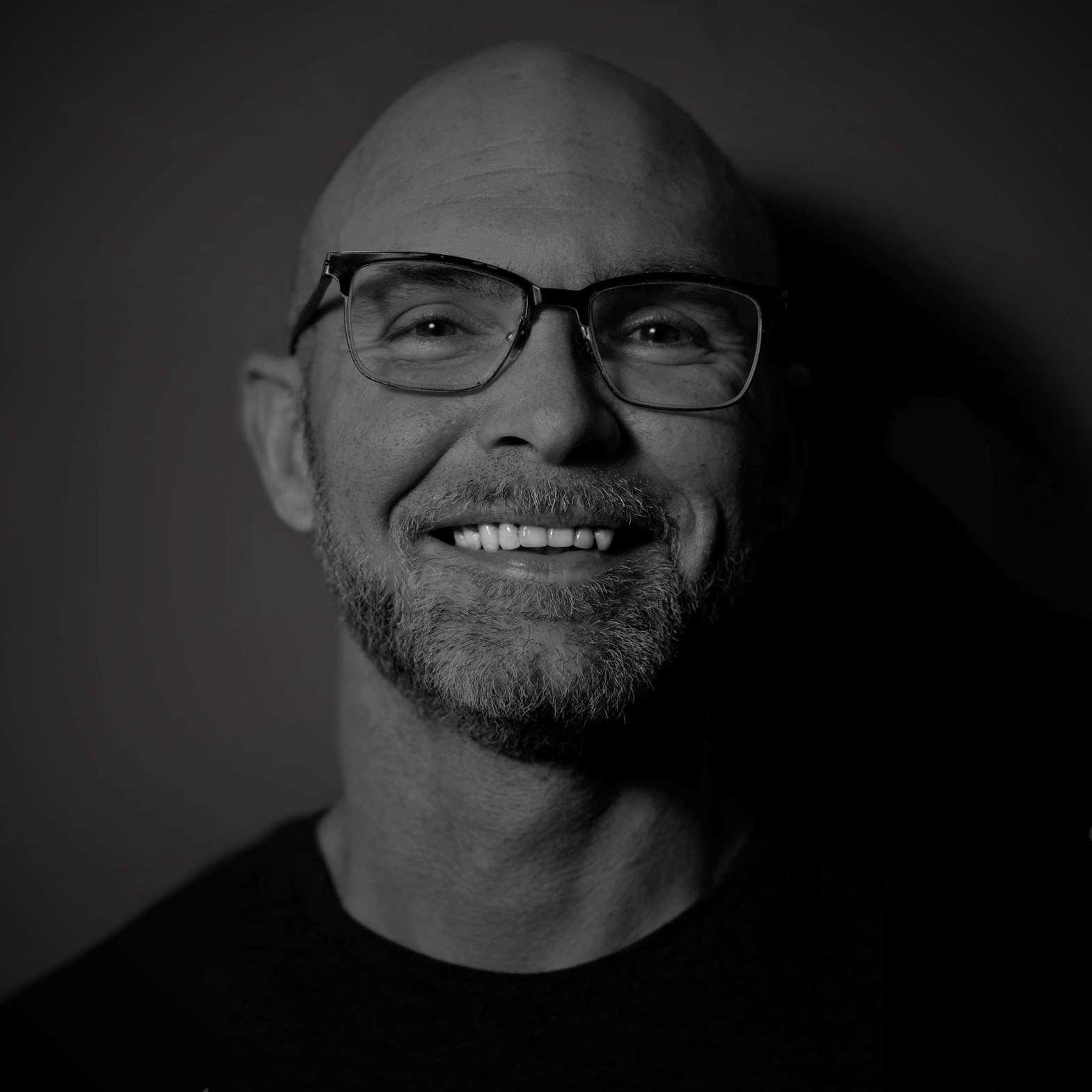
On February 5, 2024 Dharma junkie Justin Otto and I chat about his background, how he really got into mediation in jail and particulars on how it unfolded after landing there by way of someone else’s trumped up charges, an addiction journey after adolescent cancer, and plenty of dhamma like the Four Noble Truths, the Brahmaviharas, Dharma recovery groups, etc. Amongst other things we also discuss psychedelics and how to approach trauma
About:
Justin Otto is a Recovery Coach, Consciousness Coach, Meditation Instructor & group facilitator from Pensacola, Florida. Justin has been a touring musician, journalist, and blue-collar laborer and is currently the host of the Dharma Junkie Podcast. Justin is a childhood cancer survivor and former heroin addict who began exploring the Dharma and meditation when he found himself incarcerated while struggling with the human experience of addiction. He immediately saw the benefits of meditation, mindfulness, and the Dharma and, through his practice, found recovery from both substance and process addictions.
Justin is authorized to instruct meditation and facilitate groups by Wild Heart Meditation Center under the guidance of Rev. Mikey Noechel, MS, and Andrew Chapman, LMSW. He holds a 100H Meditation Teacher Certification through Meditation Alliance International and is pursuing a degree in Mental Health Counseling with a focus on addiction.
Justin is active in many social-profit organizations and continues to spread the Dharma (Dhamma) throughout the South East. He is the founder of Gulf Coast Dharma Meditation Society and leads groups weekly in Pensacola. Justin also serves on the Board of Directors for Flowering Lotus Meditation and is the co-founder of Mindful Pensacola, a collective of professional holistic practitioners dedicated to helping people wake up to their true potential and live happier, more fulfilling lives.
Biography:
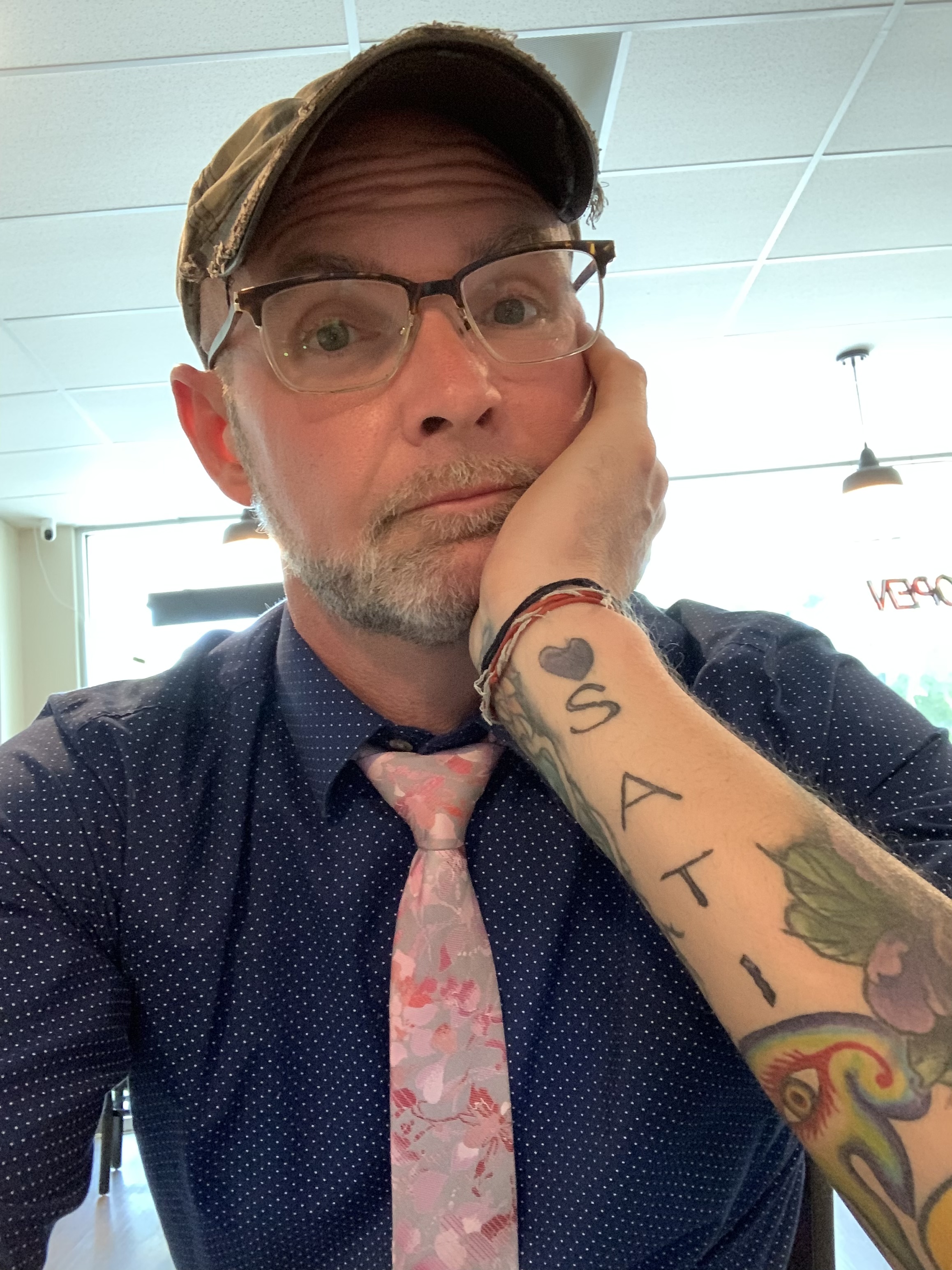
Justin Otto is a Dharma practitioner, recovering heroin addict, childhood cancer survivor, student, writer, musician, psychedelic advocate and host of the Dharma Junkie Podcast. He draws upon his life experiences to aid in his goal of helping others end their suffering.
Links:
- https://www.gulfcoastdharma.org
- https://www.instagram.com/gulfcoastdharma
- https://www.facebook.com/justinkotto
- https://www.facebook.com/groups/gulfcoastdharma
Audio: Getting Your Dharma Fix With Justin Otto
The raw unedited YouTube transcription of this podcast:
Hold Us welcome this is Josh toold and today I’ve got Justin Auto
with me Justin what’s going on uh not much man you know just uh living
life yes so who is Justin uto what does he
do uh that’s a good question that’s a good question Justin Justin’s been many
things right like you know we talk about reincarnation and God I’ve lived so many
different lives over over the course of this one uh I guess we could call
blanket Incarnation but man I’ve been uh a touring musician um a recovering heroin addict
um I guess I guess you would call myself a meditation teacher of sorts um I don’t know I’m not empowered by any means but
uh I working on that right maybe one day uh I’m just just a just a dude man
just I’m just here well that’s cool you uh host a a
podcast of your own and we’ll we’ll maybe talk about that at the end but you
know a a few things that we connect is we’re both big um meditation uh heads I
would say you know uh we’re both familiar with dhama and so tell um what got you into
all this I mean I guess this kind of bass program story you know uh heroin uh
and dhama you know what’s that all about you know how did you or what’s worth mentioning about
this you know so I guess my then this is the answer I always give when I’m ask that
question you know what brought you to the path what brought you to meditation uh I think it’s the same thing that
brings everybody to the path and brings everybody to meditation initially U for the most part anyway and that suffering
you know uh I was I found myself uh in jail I was like like I said I was was I
was a heroin user um at the time and uh this guy that I was buying drugs from
ended up getting arrested and he kind of just gave up everybody that he was selling to uh and we all kind of got
charged with what he got charged with under the blanket of a conspiracy charge and so I was charged with conspiracy to
traffic heroin over 28 grams but less than 30 kilograms uh which I absolutely
wasn’t guilty of um I was not a heroin trafficker if I was a heroin trafficker I might have been able to afford my bond
but I was not um I was just simply a junkie at the time and I found myself in
jail with no bond um and I was losing my whole mind and I was just kind of bored
in there I was at a actually at a work camp and so we would go out and work during the day and then have kind of the evenings to to do whatever and uh I was
just kind of looking on the bookshelf one day and this is back in 2014 uh and I kind of dabble with
meditation here and there before not really serious ly at all but I found a book on a bookshelf called we’re all
doing Time by Bo Loof and he was kind of he was friends with Romos and it was
part of the uh the book was released as part of the prison asham project and the whole point of the book was kind of like
treat this time while you’re incarcerated like like the the facility is your your ashro or your Monastery and
it gave some basic um you know like mindfulness of breathing techniques and uh some simple yoga ASAS and stuff and I
was like well it seems like a pretty wise way to spin my time rather than getting wrapped up in all of the the jail type stuff the playing the cards
and the you know whatever else was going on so uh that’s what I did man I just started started sitting and I’d have
started you know started really small with like five minutes here and five minutes there 10 minutes you know 20
minutes and it just kind of gradually grew and it was a it was an interesting place to really get introduced to the
practice because I don’t know if you know this but jail is not exactly the most like the quietest place in the world uh so uh it really like right from
the jump it really really kind of strengthened my practice just having to to learn how to sit amongst the chaos
and uh but that’s that’s what got me on the path man it was a was meditation um all because of that book and I can
really thank ramdas for that and uh for the longest time it was just meditation like I really didn’t know I mean I knew
you know some basic stuff about Buddhism I had heard of the foral truths and things like that but I didn’t really have any any groundwork or any like
framework for what the dhama was at that point and so I got of jail and didn’t
really meditation was great it was a good way to distract myself at the time but that’s all it really was for me in
that moment was a distraction it was a way to to kind of tune you know turn the
volume down on the thoughts a little bit but I didn’t really take it too much away from it it and I I continued
meditating but I also continued using drugs because there wasn’t a whole lot of healing in jail uh and it wasn’t
really until I don’t know maybe 2016 or so a couple years later that I
relased started investigating more about the actual practice and really getting into into the dham itself and uh and you
know the rest is kind of History here we are well cool I want to jump into some details um in jail if if uh if you’re up
for it I mean uh and then well first the trumped up charges I mean that’s just
you caught a really weird break there it sounds like you
know uh I don’t know if you’ll ever I mean what good that will do finding out
what went around I mean did you think about revenge at a certain point where
you like in a grief State you know bargaining or wanting to to to negotiate
or find something out change something you know was there ever like this why me
or you know this classic thing you hear about jail oh I’m I’m innocent oh or then you know this this type of thing or
it sound like you’re pretty levelheaded right about okay admitting this but this was I mean crazy Shenanigans going on so
I guess we can start there and then I want to just talk about the actual environment I mean I’ve got a friend who’s actually old high school buddy I
haven’t talked to him in quite a while though but he’s a he’s a a guard at a at a high security prison in Illinois and
he’s told me some crazy stories there but like how big was the cell you know
did you sit on the bunk is there a chair in there did you have a bunkmate you
know um like uh so and like what were the long you said you started with five
minutes how long did you did you get you know um and was there a a Dharma prison
program because you hear about this famous Zen Center uh or San Francisco Zen Center in like San Quenton and uh I
had a dama friend uh Denny K mu I used to do a show with and he was involved in
that for a while uh but I know that’s a huge program and I don’t know too much about it so that’s plenty enough to
throw out there for now uh so well I guess we’ll just begin with the experience itself and and yeah
of course there was a there was a lot of like why me you know how could this happen to me and and uh and you know
there was some I guess at the time there was some oh you know I’m innocent but the more I sat and I thought about it the more I really looked at it it was
like yeah well I’m not guilty of the thing I’m charged with but I’m definitely guilty of using drugs and at least at that time and still you know
that’s pretty much illegal so I I was kind of in the right place you know like honestly I should have been there um I
ended up actually pleading out to a a possession charge even though I had no no drugs or any drug equipment on me at
the time I ended up pleading out to that and then and actually ended up doing a year in jail and so yeah like I said man
I I just used that time as wisely as possible and really tried to just cultivate this meditation practice um it
started you know like I said five minutes and that kind of evolved into 10 and it just gradually built and it got to the point where I could sit for an
hour at a time in there um I did have a bunk mate it was kind of an open dorm so
we were we were separated into two separate dorms and it was kind of you could you know flow freely throughout
the place but uh I I did have a bunk mate I was I had the the top bunk at the
time so I would uh sit on my top bunk and and just uh just meditate and uh
people thought I was crazy because I wasn’t you know getting into all the stuff that everybody else
was getting into at the time and but uh yeah and what was your other question that that was pretty much uh it
except for now I’m forgetting too but uh yeah yeah no you pretty much the the the
bunk Ma and stuff so I want to jump into the um psychology of addiction um now
have you what what have you learned about this I mean um I I’ll I’ll spare
you my insights too unless something comes up from what you don’t mention you
know and uh yeah so like what goes on in the mind of a junkie and um and before
before we get into this I want to say yes you know it’s it’s understandable how much pain uh that the The Human
Condition has in life you know and it’s this you know uh there’s so many
different views on how uh we should go about um substances in our society you
know there’s a lot of varying opinions and I see pros and cons to a lot of these different ideas and so I’m open to
hearing about yours too but definitely into the psychology of
addiction okay um well I I think I actually remembered your last question before we move into that one uh no there was no
dhma prison program here um there there still is in this is I’m I’m in the Gulf
Coast of Florida uh in the northern part of Florida we’re like deeply in the Bible Belt and um not a lot of that
going on here I’m actually uh in the process of trying to work with the the at least the local jails here and try to
bring uh meditation to the jails in in a more formal way and to go in and actually teach some of these techniques
to some of the guys in there because you know it helped me so much while I was in there and it really ultimately ended up changing my life um to move on to your
next question um addiction so I have rather
kind of an interesting story I would say um I came by Addiction in a way that
really wasn’t my fault uh so I’m a Childhood cancer survivor uh when I was
13 I was diagnosed with acute myogenous leukemia um which that was a kind of a lot to
handle for a 13-year-old right um then this was before I had ever smoked the joint this was before I had ever had a
drink this is before I had ever done any of that kind of stuff and so you know one day I’m at school and then I start
just kind of feeling ill I’m waking up my I’m having nose bleeds I lost like 40 lbs in two weeks and I’m like yo mom
something is seriously wrong and uh At first she kind of thought I was faking because I’m 13 and you know every
13-year-old is looking for a way to get out of school um it turns out I was not faking
I would go to the the nurse the school nurse every day and like throw up and you know just be in there and like I I
got to go home and uh this went on for a couple weeks until finally we went uh I
got taken to an oncologist and he was like yeah you’ve got cancer and from that point I went straight from that
doctor’s office to the hospital and didn’t go back home for probably three months uh but while I was going through
treatment I was on a morphine drip with deol injections several times a day and
so so here I am going through probably the most traumatic experience of my life at that point and the only thing that
they can give me that provides any sense of relief is IV opiates um fast forward to um say
2 12 um at the time I was uh married um
my my wife at the time um had a a daughter assuming she still does but um
we I I become very very close with her daughter and uh you know because of the cancer treatment I can’t have children
of my own um so you know I kind of took her in as my own and raised her as my own for 3 four years and then we ended
up separating and that loss hit me really hard um I just didn’t know how to
deal with it and so I I had already been kind of drinking a little too much at the time um and then that just kind of
evolved into into using I was using pills at first you know just uh insulating them snorting like roxies or
some such joke and then uh met a girl after we had separated who just happened
to be an IV user and I was like oh I’m kind of curious about that you know curiosity killed the cat I was uh really
into you know all the old Beat Generation writers like burrow and all that stuff and they kind of romanticized
that [ __ ] a little bit and and so like you know curiosity got the best of me and as soon as I did it like the first
time I did it recreationally it was like that feeling that from when I was 13 it was like oh
there it is right like that’s that feel feeling that I’ve been looking for there’s that sense of relief there it is
and it was just like you know I tell everybody it felt like coming home in a sense you know um addiction for me and I
I can only speak for my own experience because that’s all I have I can’t speak for anybody else and why they get addicted to things but for me it was
just an attempt to to turn the volume down on the pain you know just the pain of living the pain and to you know to
use dhama terms the pain of existing in samsara and it did a good job of that
until it didn’t you know drugs are great for that they work really really well in
the short term in the long term they don’t work out so well and that’s kind of what happened to me uh but yeah
ultimately what brought me to to drugs was the same thing that brought me to DH was suffering
man wow yeah and you’re right the vast majority of folks that I meet they come through the
the duad door you know I I know I certainly did and uh I mean of course I
I’ve met uh Scholars and stuff where it’s it doesn’t seem the like the case although I haven’t really asked them but
wow man what a a journey and it’s I don’t know I don’t know what to
say about that um other than I like your transition here about the dhama so um
tell folks a little about what you’re studying and practicing um mostly in the
terab right uh mostly mostly so like you know even even if look at the and this is
kind of where I’m at lately is like even if if look at the terraa like really the terraa is based off of some of the
commentaries like the like the bti Maga and things of that nature and and really what I’ve been doing lately is just
going back to to the poly Canon like as far back to the oldest text as we can and like what you know what did the
Buddha actually have to say you know what was what was his take on things and and it’s it’s really given me an
interesting perspective and not that I don’t love the terraa because that is if I had to claim a lineage that would be the one that I would claim um just
because I feel like that’s the the teachings most closely associated with what the Buddha was teaching at the time
um and that’s again not to Discount any other forms of Buddhism that’s not to Discount the Mahayana or the or the
vajana any of the Tibetan practice any any of that stuff they’re all wonderful they’re all beautiful and and props to
them for doing what they’re doing um for me I just something about the poly Cannon and they just the terraa really
resonated more with me it just seemed like the most practical to me in a sense you know it’s not quite as esoteric as
some of the other stuff and uh it just it’s what worked for me it’s what clicked um I uh I guess I really got
into that through uh through some really good teachers honestly right on yeah and
I could say the same thing you know I’m I’m interested in all the different schools and I don’t really consider myself a Buddhist but I have you know
the sutas it’s just it’s so so profound how the Buddha had a an act that he
could just reach anybody on their level you know and have a teaching for them and if you if we can kind of Trace back
from what we’re told uh it seems like the closest to what we know as the
historical figure of the Buddha you know there’s all kinds of uh issues I won’t go into scholarly things that I have
questions on i’ I’ve done that on my site before but as far as what we have originally and then like you say I mean
whatever I’m from The Scholar but you you sit there and you read that and just profound insights into life and the vast
amount of knowledge uh that he had but then limiting it to just these two things we’re talk you know suffering and
the end of suffering and um right how you know same could save beings
lifetimes of the study by what he um put forth and and had handed down so yeah
props with the Buddha big time you know what’s interesting to me is you know what’s interesting to me is
I I I teach a uh a meditation class you know and basically I’ll give a a Dharma talk every week and so it kind of it
really keeps me involved and really keeps me in the sutas and keeps my practice pretty strong I would say but
the thing that always always makes me kind of giggle a little bit is invariably every every week someone’s like oh that that was exactly what I
needed to hear right now it’s like yeah it always is yeah then that’s kind of what we’re talking about right now is
the Buddha just had this way of like it’s The Human Condition hasn’t changed any you know even though he was SAR
think AMA was alive 2600 years years ago The Human Condition hasn’t changed the the surroundings have you know life has
changed a little bit the way we live our life has changed a little bit but the things we go through as people that hasn’t changed not not one
bit Yeah the the The Roots You know the the the greed the ill will the ignorance
or the the delusion into those and that’s that’s the big issue right there and then yeah the Duke I mean however we
want to translate that suffering you know is a really harsh term in Western circles a lot of times for some people
people about stress you know unsatisfactory having like this not not okayness or something just a little bit
off having a bumpy ride hard way of going you know you want to hear
something really interesting I found this pretty fascinating so uh Dua is actually this compound word of do and c
and if we really break it down it’s just difficult empty difficult empty see I’ve heard
some people said it’s a uh what is it sue uh dang it I had this
um difficult empty yeah because that’s the big thing too when you hear about addictions as well there seems to be
this huge something missing right this huge gap that trying to fill with
something uh it doesn’t necessarily have to be addictions too but yeah how can we be okay in that with that huge gap you
know and and then got some people that go to the other side oh Life is Beautiful all the time and and do this
perceptual shift where you know I’m not saying it’s not helpful a lot of times but kind of denying that there’s
um crap in the world you know or right all these different strategies for deal
with and I think and we forget it’s the Noble Truth of suffering right and so
I’ll get off the soap box here but uh this notion of Truth is really important to me too so yeah well you know like we
can really look at the four noble truths and and I think what the Buddha was really saying is like these aren’t really capital T truths like things to
believe right like these are things to experience these are things to do so within the first truth well like so
let’s break it down a little bit like the Buddha didn’t really teach cause and effect the Buddha taught interdependence
and you know that we often hear that you know craving is the cause of suffering um maybe maybe I think that suffering is
the cause of craving and then that leads to further craving right which causes more
suffering I think it’s a cyclical thing so it’s like what came first the chicken or the egg because suffering is going to be there you know did I get cancer
because I craved it you know did I suffer because you see what I’m saying
like this the suffering is just in it’s woven into the fabric of existence that’s what it is it’s going to be there
it’s like what do we do with it and in the first Noble Truth we’re asked to embrace suffering you know there’s this
term Dua Pera may duka be fully known and embraced and that’s what we’re asked to do we’re
not asked to get rid of Dua we’re asked to embrace it well yes I would say we’re we’re
we’re asked to embrace it in service to the second third and fourth Noble Truth
though right correct not to yeah not to deny it pretend it’s not there and just
kind of put my head in the sand right exactly but it’s not to have a pity
party you know it’s not to to amplify it and keep it going right you know it’s uh
that’s just so then the third that’s an easy trap to fall in that’s an easy trap to fall you get stuck in and I was that
way for a long time I was a very a very what I would call a first Noble truther right uh when we forget about you know
that there is a sensation of suffering this word naroda right you know there is this sensation of suffering there is
this higher happiness and I used to be one of those people um well maybe not so much but you know you do hear people
they get really lost in that and and they kind of gloss over it but you know
and I I don’t know you know you said earlier you don’t really consider yourself a Buddhist and I don’t really consider myself a Buddhist either if
anything I’m a dham practitioner that’s what I am and and uh and I take a little bit from uh other other paths as well
you know like there’s things about the the the Hindu path that that I appreciate there’s things about
Christianity that I appreciate and they’re all teaching roughly the same thing and that’s love right so if we get
down to the core of it it’s all just it’s love and just being good to each other and that’s that’s the end goal
right like that is the sensation of suffering you know the Brahma viharas
will take us really really far you know
that the the sublime abodes the sublime dwelling spots you know what are we
living in you know are we living in self-pity are we living in you know
instant gratification um right technocracy or trans humanism you know where where we
dwell where are we living where are our hearts dwelling and these four immeasurables you know they’re just to
me I haven’t really found any other place better than those places to dwell
you know I haven’t found any place better to dwell than the the Brahma vhar
um yeah right so who are your teachers you know what um who have you studied
under um are you looking um what teachers are have have you sought everybody out that you wanted to seek
out so far you know um you know so the most closely with are uh Mikey
Noel uh and Andrew Chapman and they’re in Nashville Tennessee they are um out
of a wildart meditation center which I don’t know if you’re familiar with uh against the stream and no it used to be
a branch of against the stream uh before all that kind of stuff happened with Noah and they kind of went their own way
um and that’s mostly who I’ve studied under um I I’ve got some other you know people that I I kind of follow a little
bit but I as far as like one-on-one teachers those are the ones that I’ve work with most closely um Dave Smith who
is uh actually uh he’s the one that actually started Wild Art meditation center but um but you know I’m always I
life is my teacher right like if we get right down to it from like life is my teacher and uh to go back to what we
were talking about about you know really dwelling in the suffering is like and then the whole why would this happen to
me is like the big thing that happened for me was the perspective shift of just taking everything as as a teaching
moment right like everything is a teacher even the the worst moments of my life there are lessons to be learned in
those moments and once we change that our perspective to that like what can I learn from this experience rather than
woe is me that’s really when the doors open up I mean and you know the Dharma doors are endless
so very well put now uh speaking of Dharma recovery groups I guess I don’t
have to go into the drama of that I haven’t kept I’ve heard just a little bit about it and I’ve met a couple of uh
dhama friends um that that are in recovery too and that are seeking out
dhama recovery groups uh would you recom uh which ones can you recommend or which
just even name dropping any any ones that you know of for those out there who
are listening to this that are in recovery uh that could potentially be of help and if you know how they differ
from like 12-step programs too uh okay so you know basically um I
when I when I really started with uh working with recovery uh in in a like a a dham fashion it was through Refuge
recovery um again that was you know written by the book was written by Noah LaVine and that was kind of his
brainchild was uh Refuge recovery and then uh you know for anybody who doesn’t
know there was a bit of drama that happened about 2017 2018 and then some of the the the core people
that were involved with Refuge recovery kind of broke away from refuge and started what’s called recovery Dharma
and they’re both excellent programs um they differ from the 12 steps in the sense that
they’re they’re well they’re not 12-step based right like if we had to get I mean I guess you could call it 12-step based
if we if we talk about four noble truths in an eight-fold path that’s 12 right but but you know it’s it’s not quite the
same thing there there is an inventory that’s involved with it and there’s some you know some work that but it’s really just using Buddhist practice as as a
pathway to recovery because if we really look at it isn’t the dhama really the world’s oldest recovery program if we’re
talking about freedom from craving isn’t wouldn’t this be the world’s oldest recovery
program it’s a good well put there too and I will just bring in clinging here
too you know um when people talk about um you know um what is I heard somebody
say that something like pleasure is not the problem it’s clinging clinging is the problem right
because we’re all going to experience pleasure whether we want to or not trying to hold on to yeah yeah that’s
that’s the one and uh yeah we got the opposite end where people get um the
easier one to like go of is ill will because it just doesn’t feel good you know that one feels horrible when I
finally started tuning into how horrible that feels in the body it’s it’s an easier one to let go of but the the
subtleties of of uh greed uh craving and clinging they can you know for me now it
be like information and you know even to to spiritual practices
sometimes right oh yeah I mean we can we can become attached to anything right like I mean it’s a very human thing to
do we are we are hardwired to seek out pleasure and to try to avoid pain that’s
just what we do as as as creatures you know by living on this Earth we that’s what we do it’s it’s programmed right
into our DNA so you know what we’re doing is essentially fighting against our own biology fighting is a bad word
but we’re we’re working against our own biology so now what uh what experiences
if as far as experiences have you had uh lately I thought i’ uh saw some things
where you’ve talked to some folks about psychedelics and whatnot get your take on those as well um Retreats you have
any uh retreats experiences or Retreats you’re looking um forward to to coming
up and then just even new D teachings and new do
discoveries so let’s see so I guess we could start with psychedelics I used to
be very into uh psychedelics um I I gained a lot of insight through
psychedelic use uh early in my life and I really feel like um psychedelics kind of opened the the pathway for me to be
involved in the dhama at all like there’s a lot there’s a lot of things that I learned on psychedelics that I
I’ve also experienced on through meditation right and they’ll both take you at the same place but it’s kind of like Romos said you know it’s like you
know with psychedelics you get to walk in the garden for a little while but you always have to leave with meditation you kind of get to hang out there for as
long as you want um and so yeah no I I did psychedelics for many years and uh
I’m a not against psychedelics I I feel like I I’ve gotten the use out of them you know once you get the message hang
up the phone um that’s not to Discount other people who you know still take part in psychedelics and and find
benefit from them for me it’s just not where I’m at anymore um Retreats um I try to sit as many
Retreats as I can I’m I’m actually in I’m A 42-year-old college student so uh I don’t get the opportunity to sit as
many Retreats as I would like anymore uh I’m actually going to be signing up for a 10day vapas a retreat that I’m going
to be doing over May after school lets out for the semester so that I’m looking toward to that that’s going to be fun uh
I’ve I’ve always gotten a lot out of the vapas Retreats just the the sheer amount of practice that you’re able to do over
those 10 days really opens up the door to a lot of really interesting experiences um uh you know working
through progress of insight kind of in the terod and map uh I’ve had some really interesting experiences and U
where we left off at with these internet connection here is uh we’re talking about going on a 10day vapos retreat so
pick up from there please yeah know I I I love the uh the tday vasas man I think
what Goa did was a wonderful thing I don’t know I can’t really think of anybody else that’s done as much to
spread the dharm other than the Buddha than than Essen goena quite honestly you know he’s kind of like the Johnny apple
seed of the dhama you know with all these centers that they’re all over the world you know there’s like over 250
centers now and I still on my list to do one I um just didn’t work out last time
I had an opportunity and found even super admirable about that is that they
won’t even accept donations until you’ve done a Sit you’ve done a 10day that’s
super cool yeah yeah no they they want you to experience it you know and that’s the you know goes right back to what the
Buddha taught you know this’s this word aaso come and see for yourself you know
and uh but it’s a wonderful place to if you really want to do some deep work go go sit a 10day Theos a retreat because
you have all the space and all the air and opportunity in the world to do all the practice you want to do
and um you can really really make a lot of progress quite quite honestly I saw more progress over the first 10 day of
aasa than I sat than I did over years of just practicing at home you know because
I you know it’s it’s just that compounded practice it’s just so much at once I’ve heard so many different takes
from like the absolute worst thing someone’s ever done to you know this is now a lifestyle like they go all over
the world just volunteering and doing going Retreats basically know and uh
everything in between that and if you even met someone that didn’t even know anything about meditation just jumped
right into a 10day retreat and now they’re now they’re um on track to ordain you know uh in a different
tradition though but yeah so uh years later well yeah it is what you make it
right like if you go into it and you’re having a bad time and you just keep that mindset you’re going to have a bad time
I mean it’s it’s tough It’s you know it’s like Buddhist boot camp basically is what it is you you know it’s dhh jail
you’re it’s it’s very much like being in jail is what it is and so but so you know I having been to jail like it was
pretty easy for me like I was like all right this is kind of cool the food was way better there’s like a condition of No
Escape set up and yeah that’s it’s at the same time I imagine there’s all
kinds of like unspoken encouragement and the conditions are great so it’s you
can’t really blame outside circumstances at least in the immediate term right it’s all the the inner experience
and yeah uh dredging up old stuff and experiences and probably physically
endurance too for some folks you know yeah working with pain and all kinds of
things that can come up and all the manner of hindrances that there are as well absolutely yeah know the first one
I did I I had this tremendous amount after about day four I had uh just this tremendous amount of hip pain and uh and
you know I don’t know whether it was actually maybe it was a you know a manifestation of trauma you know they
say a lot of trauma stored within the the hips specifically and uh yeah it’s a
thing you know like it stuff’s going to show up you know it’s once you once you quiet everything down and you you just
sit with it it’s gonna show up whether you like it or not right on yeah well before we start
winding this down I wanted to get your take on uh insights on trauma because it seems like this is such a huge thing I
don’t have um trauma informed training or anything but you know just having a a human body is some degree of trauma I
kind of see it as a a spectrum right some people have had it really really rough lots of amount of trauma but
overall what kind of wisdom do you have around this or how do you approach it or
if people come to you or just anything in general to say about it because I feel uh healing from trauma is so very
important and I just don’t know the all the best ways to go about about it right
so uh one of one of my one of my other teachers that I sit with pretty frequently is uh Claude Anin Thomas uh
he’s a Zen practitioner he’s uh started the zalto foundation he was ordained under Bernie Glassman and he fortunately
he lives like about an hour away from me and I go sit with him uh you know with a and not not as frequently as I would
like to unfortunately with school and everything going on and you know just having homework and things of that nature but uh he’s a Vietnam veteran and
then one one of the things that he he that he’s said to me and I think it was in one of his books he wrote a book
called at hellsgate which is amazing if any if anyone wants to pick that up I highly recommend it um but there was
this just one thing that he said and it’s a you know everybody has their Vietnam right and it’s like everybody
whether you think you have trauma or not there there is some experience in your life that has been not exactly fun for
you right like and maybe maybe that has left some sort of indelible imprint on you and it doesn’t matter if you know
somebody else has had it worse or if somebody else has had it better like that experience is yours and if if it’s
terrible for you it’s terrible for you and it’s nobody’s business to say oh well that’s not that bad like you don’t
know their experience and so I try to meet everyone with kind of that mindset right like I don’t know what your
experiences is no matter what the experience itself was I don’t know what your experience with it was so like
let’s unpack that you know let’s get to the root of that and um that’s just the way I try to approach everybody you know
just just with gentleness and with kindness you know we can come back to the brah of vajar again you know I try to just meet everybody with the kind
friendliness right that’s a really uh yeah really good way to put it you know
it just it’s kind of natural human tendency um to to to evaluate where
someone’s at in a way but of course we never know where someone’s at and it almost takes a training to see where yes
there can be some discernment involved like okay well if something um at least
compare it to my own experience when someone’s telling me about their experience right to have it as a reference go through my list of
experiences as a reference point to where you know uh as far as severity in my experience in order to know what kind
of thing to do but you know it just kind of comes through intuitively but I like this notion of really honoring and
respecting this this huge uh dignity we should have for everyone and I think
that’s very good point because even just youngsters you know they can even just
just growing up you know some there’ll be certain experiences in certain age
Reigns you know that are challenging and even challenging challenging situations
can be traumatic uh for folks and I do find that very wise that there’s a lot
of wisdom in and in just honoring and respecting someone’s Journey for where
they’re at and who am I to say that it it’s super traumatic or not traumatic
it’s just uh yeah Case by case basis and who are we to say that it wasn’t
traumatic enough to be called trauma you know like we don’t know what you don’t know how how how it met them you don’t
know how their experience with that was it doesn’t matter what the situation was it’s it’s all about how they met their
experience exactly in in that sense it is it’s relative and but relative not in
the sense that it’s not important or valid or um you know like to be blown off or yeah exactly so yeah the easy way
to say it is yes the Brahma baharas so so Justin uh tell folks where
you are at online um uh tell folks like the sitting groups that you’re involved
with uh that maybe that you haven’t mentioned or remind folks again uh tell folks about your podcast if you have any
other events coming up uh uh anything else you want to draw people’s attention to and then if you want to leave us with
a leave the audience with the last words final message sure uh so let’s see I I
am the I guess you would call me the uh leading facilitator for a gulf coast
Dharma here in Pensacola Florida it’s a just a local sitting group basically that I started a couple years ago um
there was no Buddhist sitting group or dhamma sitting group in this area and I
was looking for S and I I was like well the if I if that’s what I want I’m just going to have to create it myself so
that’s what I did uh we meet every Monday here in Pensacola at 7 pm and you
can check out Gulf Coast dharma.org Dharma not Dharma um I use Dharma because I feel like people know that
word more than they’re going to recognize the poly Dharma right uh so Gulf Coast dharma.org um I also host the
Dharma junkie podcast uh it can be found pretty much anywhere that podcast are found it’s on Spotify Apple podcasts uh
dieser Stitcher blah blah blah blah blah where look it up it’s out there I used to have a website for it but I just
don’t care that much about having a website for it it’s out there if you want to listen to it it’s there um uh
final words uh meditation and uh daily life aren’t separate things right like
and here’s a something that I did kind of recently that’s going to be more than just a few words I guess but um I had a
really dedicated sitting practice for years and years and years and and still do uh you know I was sitting an hour in
the morning and an hour at night sometimes I would sit longer um some days I would sit 5 six hours um and it
be it got to the point where it’s kind of a really what I would call a dry practice uh and I was like you know I’m going to take a step back and really you
know we can kind of go back to the name of your podcast integrating presence right like if you’re not integrating
into daily life what are you doing you know mindfulness isn’t just something we practice on the cushion it’s something
that we live the the dharm uh and it it becomes our life right like we our life
revolves around the Dharma like it’s not just we have this people have this tendency to to want to compartmentalize
their spiritual practice like oh I’ll live I’ll do my life here and then I’ll put my spiritual practice in this box
over here it’s like no no no no no no it’s all the same thing it’s all the same thing bring it in bring it in open
it up open your life up to the Dharma open the Dharma up to your life and start really living by you know like
what was taught in the sa batana right like this is how we practice is like by bringing this Presence by bringing this
Stillness by remembering to be present into everything that we do well
beautiful uh thanks for that Justin and may all beings come to know their true
nature and may all beings realize Awakening and be free bye
now
 Integrating Presence